Box Office
Underperformed · 1.0xBudget$5M
Worldwide Gross$5.2M
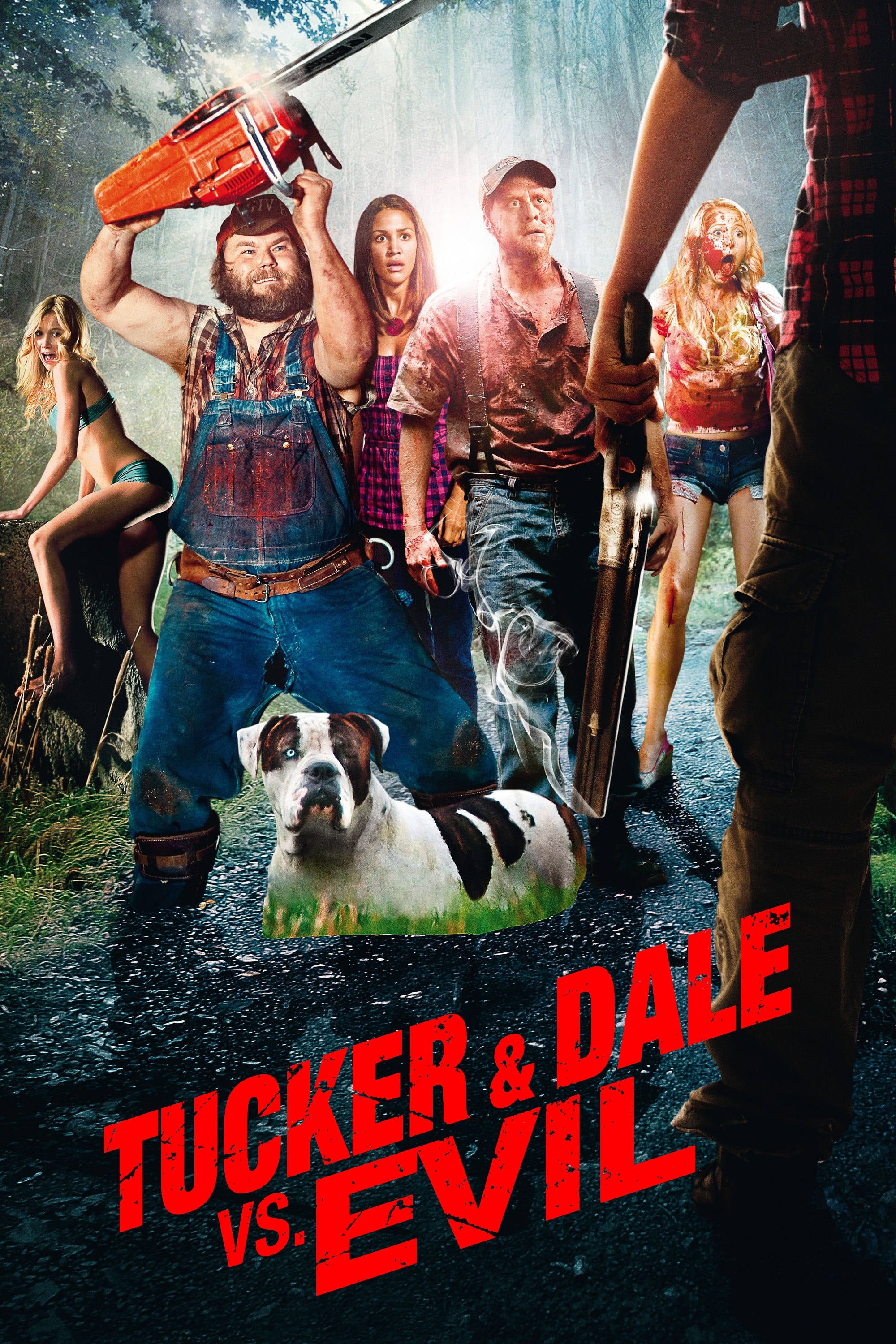
Tucker and Dale vs. Evil scores a low 3/10 on wokeness by flipping horror tropes into a comedy of errors where rural leads face class-based misunderstandings from urban college kids, with empathy and communication as side notes to the laughs. The story stays rooted in traditional entertainment without ideological preaching or modern social justice framing.
We've run a full content analysis on Tucker and Dale vs. Evil and scored it 3/10 on the woke scale. Read our detailed breakdown above to see exactly what we found.
Our analysis checks for themes like identity politics, race-swapping, gender ideology, environmental activism, anti-religious messaging, and other progressive agenda elements. The score breakdown above shows which specific categories were flagged and how heavily they factor into Tucker and Dale vs. Evil's overall score.
Wokeometer focuses on ideological content rather than traditional ratings (violence, language, etc.). Tucker and Dale vs. Evil is rated R. For a full picture, combine our woke analysis with the age rating to decide if it's right for your family.
We evaluate media across multiple ideological categories on a 0–10 scale. Scores of 0–3 mean story-first, 4–6 have moderate elements, and 7–10 flag heavily agenda-driven content.
Tucker and Dale vs. Evil centers on two affable West Virginia hillbillies, Tucker and Dale, whose vacation cabin getaway spirals into chaos when college students misinterpret their actions as murderous due to class-based prejudices and horror-movie stereotypes.
The narrative inverts the backwoods-slasher trope by positioning the rural protagonists as the sympathetic, non-violent leads while the urban college kids, led by the paranoid Chad, drive the conflict through their own biases and poor communication. Allison, the most rational student, explicitly notes that many problems stem from lack of understanding, underscoring the film's core message about assumptions and empathy without turning it into overt activism.
Casting features all original characters with no race, gender, or sexuality alterations to any established figures from prior works. Tyler Labine and Alan Tudyk portray the titular hillbillies as straightforward male leads fitting the rural setting, while supporting roles like Katrina Bowden's Allison remain consistent with the story's needs. Director Eli Craig described the project as a comedic take on prejudice wrapped in a demented love story, akin to a hillbilly version of Crash, emphasizing situational humor and character grounding over messaging.
Thematic elements touch on class prejudice and toxic behavior in the antagonist Chad, but these serve the traditional comedy-of-errors structure rather than driving an ideological premise. Incidental moments, such as college kids' crass banter, highlight biases without centrality. Reception praises the subversion of horror tropes and its enduring humor, with no significant framing as progressive propaganda or audience backlash tied to social justice themes. The 2010 release predates modern DEI discourse and prioritizes entertainment through escalating misunderstandings.
Methodology: Each score synthesizes audience discourse, critic and aggregator reception, and press coverage — weighed against the work itself, not any single source.
See how this title scores across all 5 woke subcategories with detailed explanations.
Unlock with ProFrom $3/month · 3-day trial for $1
A curated roundup of newly scored movies, shows, and games, with the context behind the scores. Free. Unsubscribe anytime.
Privacy policySimilar titles you might enjoy
No reviews yet
Be the first to share what you thought of Tucker and Dale vs. Evil.