Box Office
Hit · 6.1xBudget$175M
Worldwide Gross$1.1B
Shop this title
Shop this title
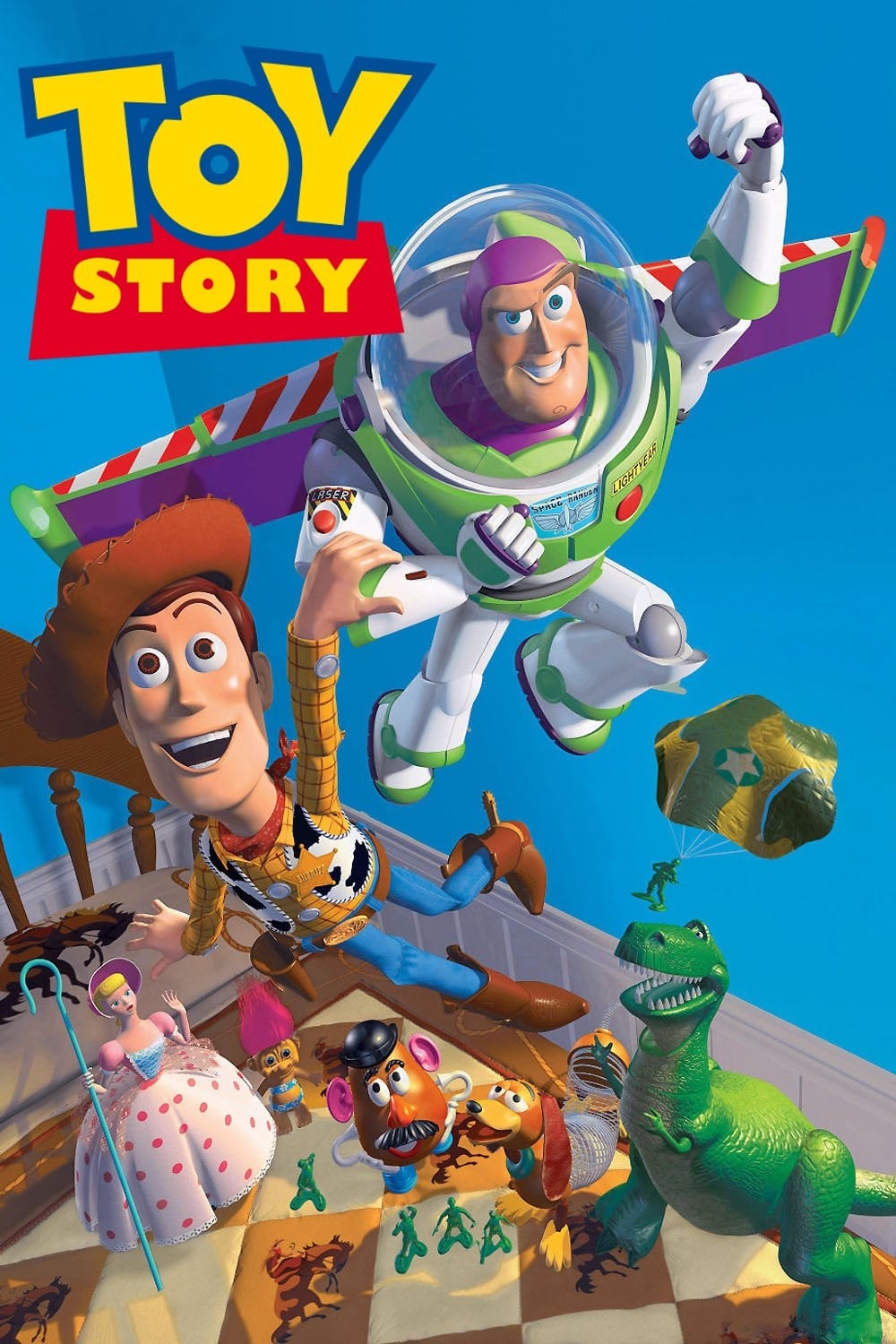
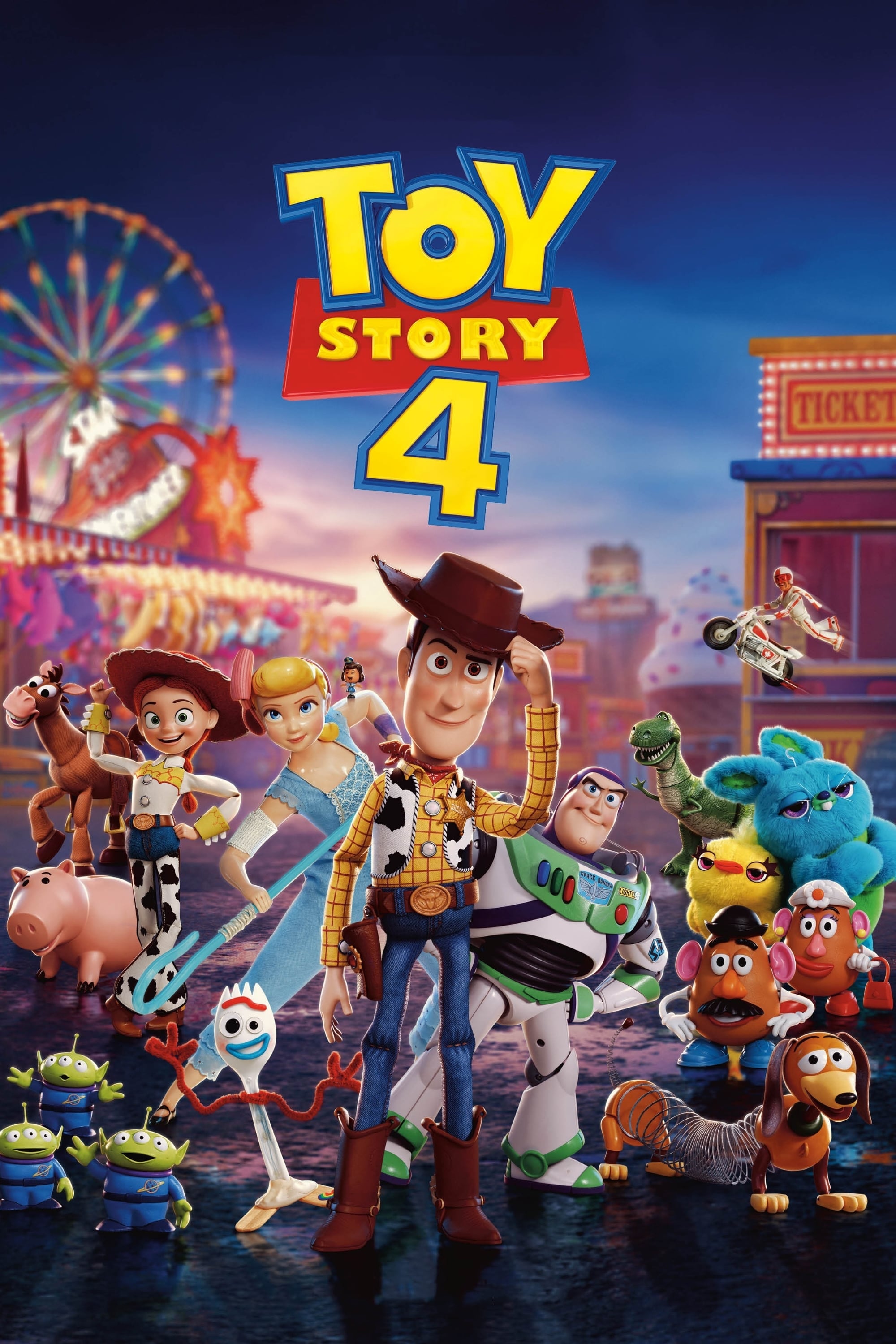
Toy Story 4
We may earn a commission from purchases through these links.
Search US stores by format. Check the title and edition before buying.
Explore Prime Video — Opens in a new tab
Catalog availability and subscription terms vary.
Toy Story 4
movie·G·Jun 21, 2019·
Box OfficeHit · 6.1x
$175M
Budget
$1.1B
Gross
Shop
Shop this title
Toy Story 4
We may earn a commission from purchases through these links.
Search US stores by format. Check the title and edition before buying.
Explore Prime Video — Opens in a new tab
Catalog availability and subscription terms vary.
Toy Story 4
movie
G
June 21, 2019
Wokeometer Rating
3Based
1/10
Scale: 0 = not woke, 10 = maximally woke
TL;DR Verdict
Toy Story 4 earns a low 3/10 woke score with only subtle, non-intrusive elements that never hijack its timeless focus on friendship, adventure, and toy loyalty—pure, apolitical family entertainment.
Paid creator placementsFeature your article or video on this page
Detailed Analysis
Toy Story 4 features minor incidental progressive elements that do not influence the core storytelling, which remains focused on timeless themes of friendship, loyalty, purpose, and adventure among toys.
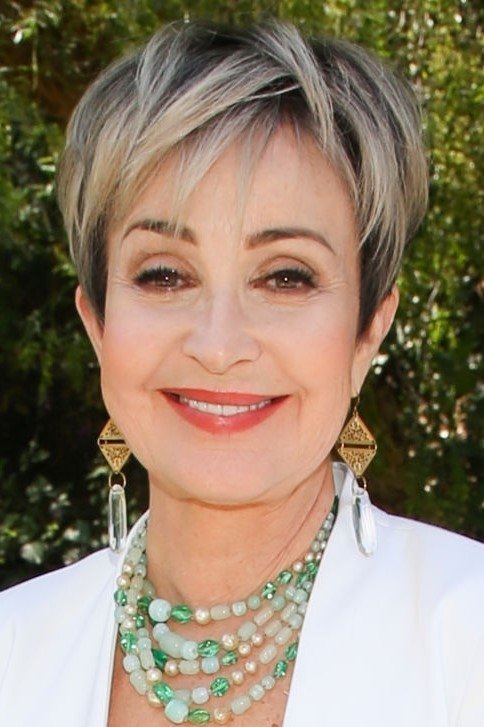
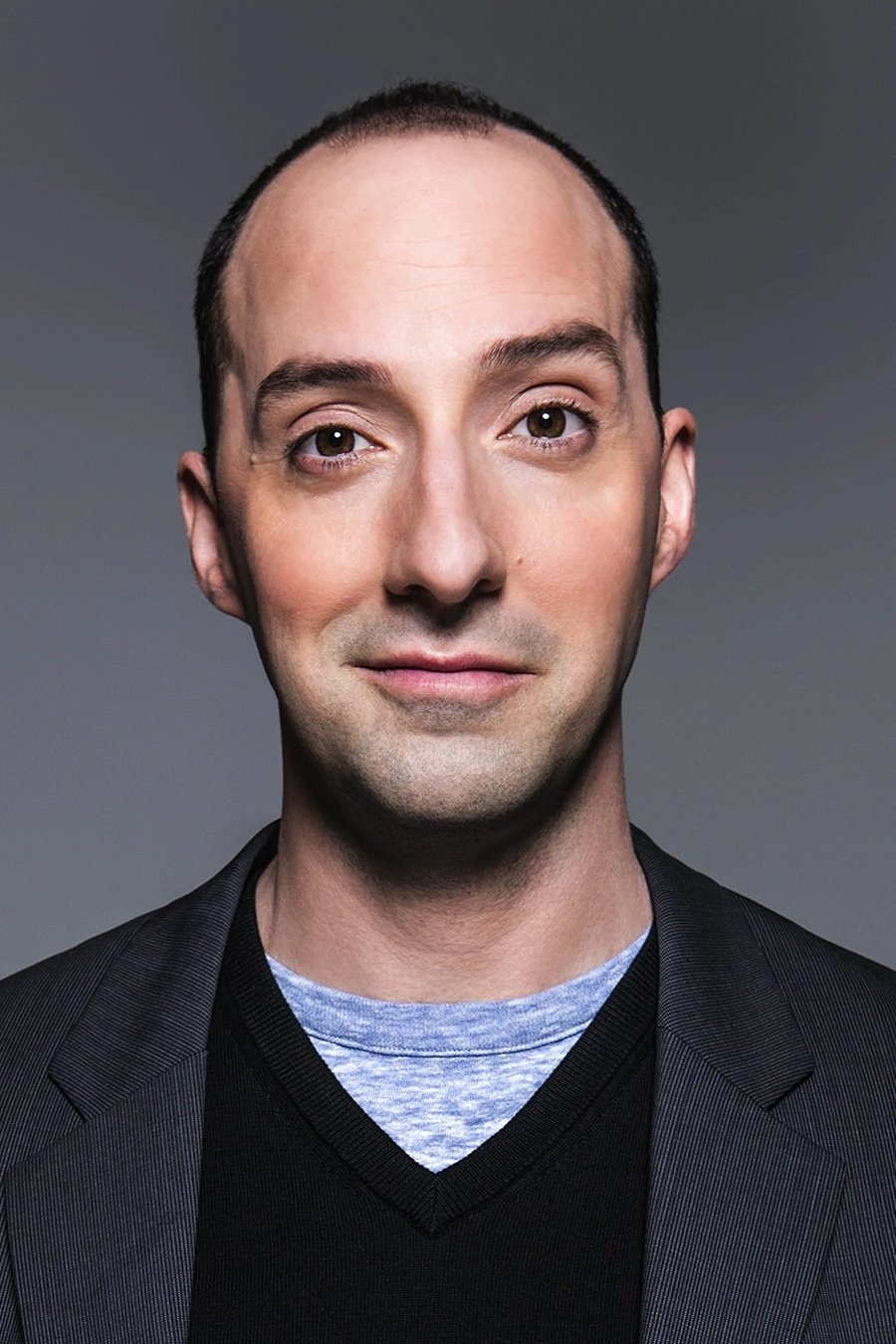
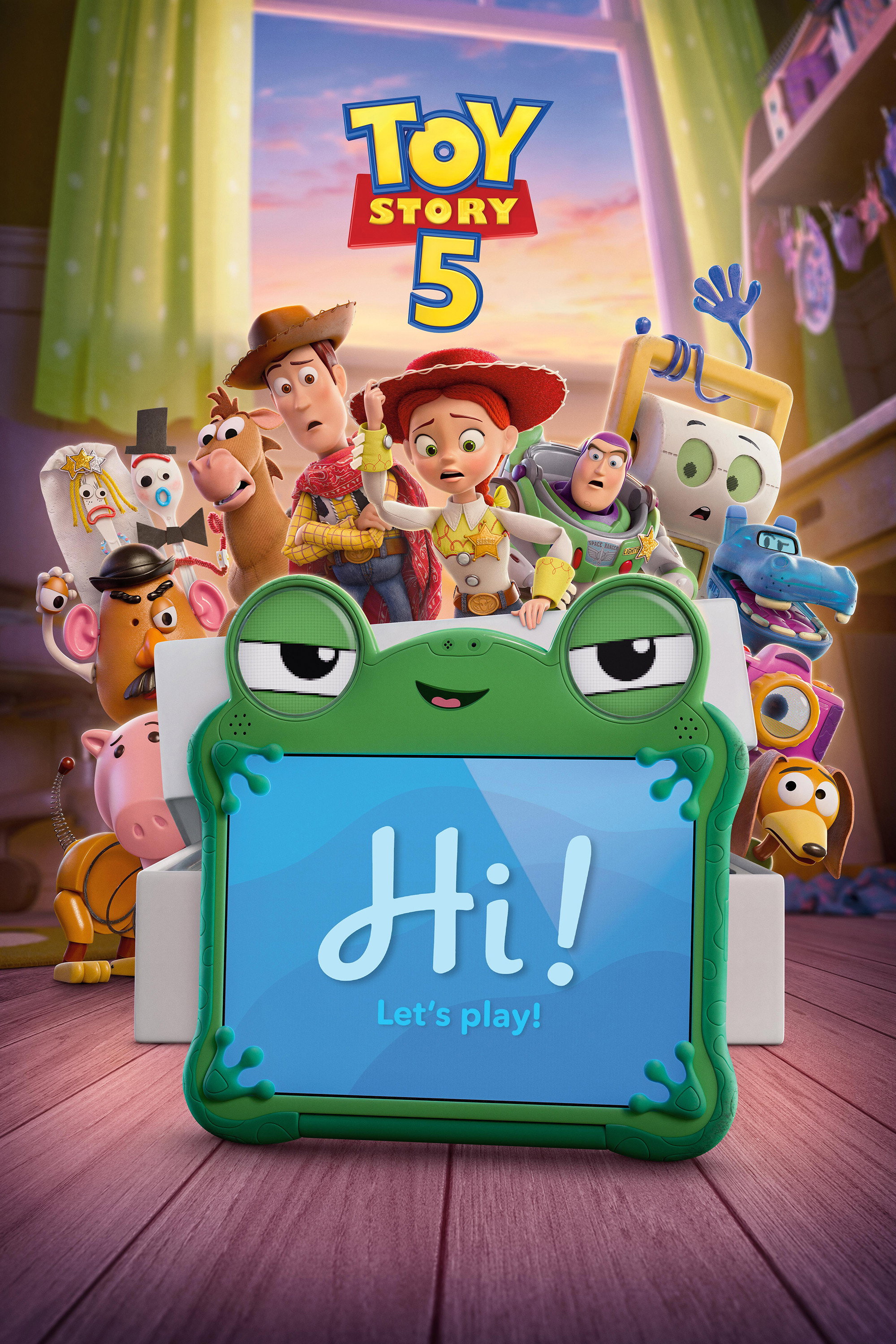
A subtle background scene showing two women dropping off a child at school was interpreted by some as a nod to lesbian parents, prompting a fringe boycott call from One Million Moms, but it is blink-and-miss-it subtle and unrelated to the plot. Bo Peep returns as an independent leader of lost toys, with pants and a staff, which director Josh Cooley framed as taking control of her destiny and actress Annie Potts called a 'woke woman,' but this update feels organic to her years away from Woody and does not preach or alter the narrative foundation. Forky's existential crisis as a trash-crafted toy rejecting its role has been loosely tied to identity exploration by some, and voice actor Tony Hale highlighted the film's message of cooperation amid diversity, yet these are light touches without activist intent or centrality.
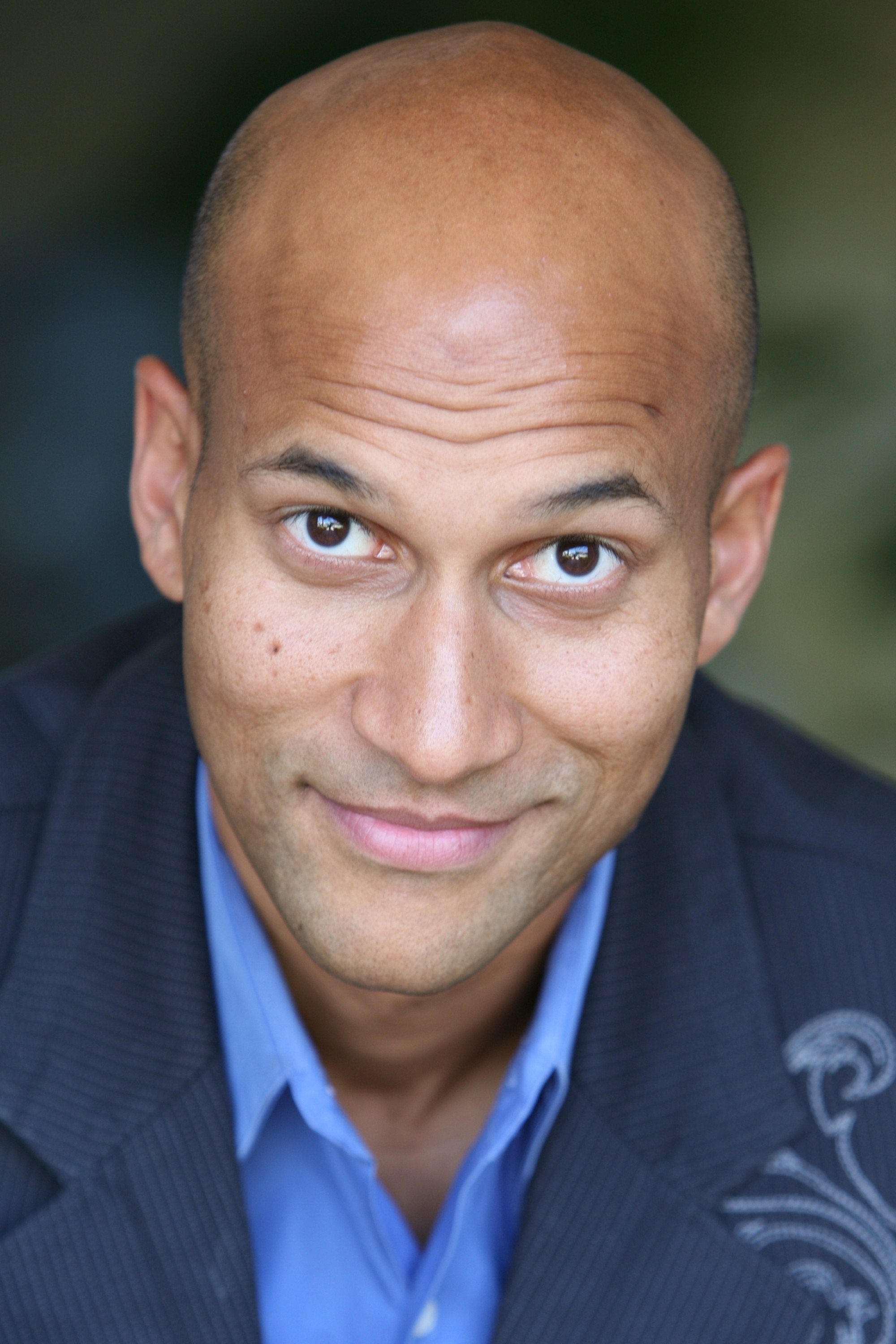
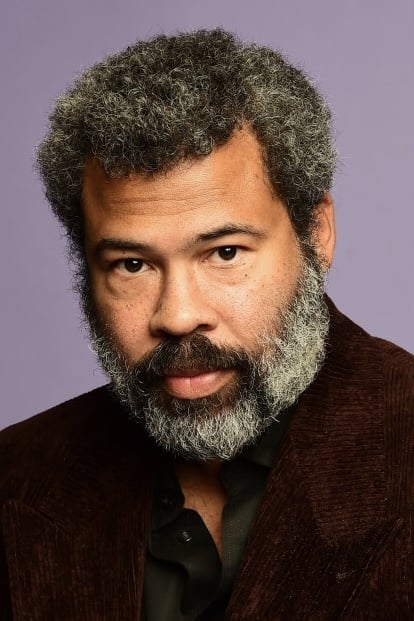
Gabby Gabby, the antagonist with a broken voicebox, drew ableism critiques for seeking a 'fix' to gain love, but again, peripheral. Casting includes diverse voices like Keegan-Michael Key, Jordan Peele, and Ally Maki, though human characters are mostly white, earning left-wing backlash for 'whiteness' and lack of representation rather than praise for DEI. Overall reception was overwhelmingly positive with massive box office success and acclaim, with more complaints from progressives about insufficient wokeness than from audiences decrying ideological intrusion. The film prioritizes pure entertainment without social justice as premise, characters, or emotional driver, making it a refreshing example of traditional family storytelling unmarred by contemporary activism.
Methodology: Each score synthesizes audience discourse, critic and aggregator reception, and press coverage — weighed against the work itself, not any single source.
Detailed BreakdownPro
Free Preview1 of 5 categories unlocked
Corporate & Creator Activism2
Director and voice actor comments highlight independence and diversity in passing, but the production prioritizes entertainment and timeless toy themes over ESG initiatives or marketing centered on progressive credentials.
Identity Politics & Racial Essentialism
Gender Ideology & LGBTQ+ Themes
DEI Casting & Representation Mandates
Preachiness & Message-First Agenda
Unlock the other 4 categories — including Identity Politics and Gender Ideology — with detailed explanations.
Unlock with ProFrom $3/month · 3-day trial for $1
The Woke Report
A curated roundup of newly scored movies, shows, and games, with the context behind the scores. Free. Unsubscribe anytime.
Privacy policyDirected by
Is Toy Story 4 Woke?
We've run a full content analysis on Toy Story 4 and scored it 3/10 on the woke scale. Read our detailed breakdown above to see exactly what we found.
Frequently Asked Questions
What kind of woke content is in Toy Story 4?
Our analysis checks for themes like identity politics, race-swapping, gender ideology, environmental activism, anti-religious messaging, and other progressive agenda elements. The score breakdown above shows which specific categories were flagged and how heavily they factor into Toy Story 4's overall score.
Is Toy Story 4 family-friendly?
Wokeometer focuses on ideological content rather than traditional ratings (violence, language, etc.). Toy Story 4 is rated G. For a full picture, combine our woke analysis with the age rating to decide if it's right for your family.
How does Wokeometer score movies?
We evaluate media across multiple ideological categories on a 0–10 scale. Scores of 0–3 mean story-first, 4–6 have moderate elements, and 7–10 flag heavily agenda-driven content. Learn more about our methodology →