Box Office
Flop · 0.5xBudget$49.3M
Worldwide Gross$24.4M
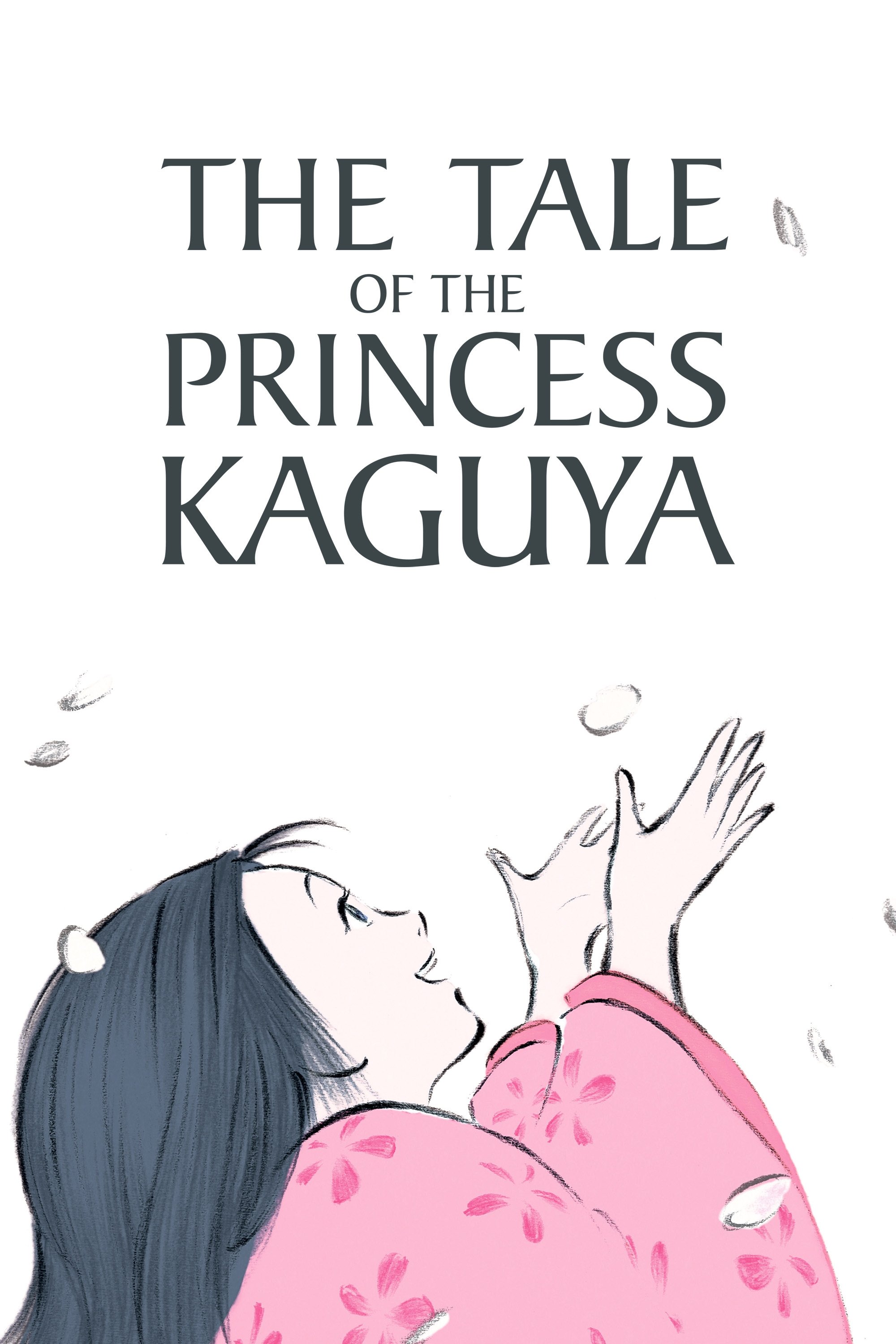
The Tale of The Princess Kaguya
movie·PG·Oct 17, 2014·
Box OfficeFlop · 0.5x
$49.3M
Budget
$24.4M
Gross
The Tale of The Princess Kaguya
movie
PG
October 17, 2014
Wokeometer Rating
3Based
Scale: 0 = not woke, 10 = maximally woke
TL;DR Verdict
The Tale of the Princess Kaguya scores a low 3/10 on wokeness because its headstrong heroine, rural freedom themes, and rejection of courtly life all come straight from the original 10th-century folktale rather than modern ideology. Traditional Japanese casting and storytelling focus on life's impermanence keep the film free of DEI framing or activist messaging.
Paid creator placementsFeature your article or video on this page
Detailed Analysis
The Tale of the Princess Kaguya is a Studio Ghibli adaptation of the 10th-century Japanese folktale The Tale of the Bamboo Cutter.
The story centers on Princess Kaguya, a celestial being raised by an old bamboo cutter and his wife, who grows rapidly and attracts noble suitors before returning to the Moon. Director Isao Takahata emphasized the cycle of life, earthly joys, and a headstrong female protagonist who resists courtly constraints, but these elements derive directly from the source material rather than contemporary activism.
Casting remains traditional: Japanese voice actors portray the established Japanese characters with no race, gender, or sexuality alterations to any figures from the canon. Kaguya is voiced by Aki Asakura as the female lead, consistent with the folktale. The narrative highlights her preference for rural freedom over noble expectations, including scenes of her fleeing the capital and rejecting suitors through impossible tasks, but this reflects classic fairy-tale resistance to arranged marriage and social hierarchy, not modern identity politics or systemic-oppression framing.
Thematic interpretations in reviews note feminist undertones around female agency and critiques of artificial beauty standards or court life, yet these are incidental overlaps with traditional storytelling tropes about impermanence and personal longing. No LGBTQ+ portrayal, DEI-driven casting, creator statements on activism, or plot elements that collapse without ideological framing appear. Reception was positive with an Oscar nomination and no notable backlash labeling it "woke." The film prioritizes emotional and artistic exploration of the ancient tale over any progressive messaging.
Key Factors
- Faithful adaptation of 10th-century folktale with no established-character changes to race, gender, or sexuality
- Traditional Japanese voice casting matching source material
- Themes of freedom and resistance to nobility rooted in classic narrative, not modern social justice activism
- Creator focus on life cycles and earthly experience without activist intent statements
Methodology: Each score synthesizes audience discourse, critic and aggregator reception, and press coverage — weighed against the work itself, not any single source.
Pro BreakdownPro
Identity Politics & Racial Essentialism
Gender Ideology & LGBTQ+ Themes
DEI Casting & Representation Mandates
Preachiness & Message-First Agenda
Corporate & Creator Activism
See how this title scores across all 5 woke subcategories with detailed explanations.
Unlock with ProFrom $3/month · 3-day trial for $1
The Woke Report
A curated roundup of newly scored movies, shows, and games, with the context behind the scores. Free. Unsubscribe anytime.
Privacy policyDirected by
Is The Tale of The Princess Kaguya Woke?
We've run a full content analysis on The Tale of The Princess Kaguya and scored it 3/10 on the woke scale. Read our detailed breakdown above to see exactly what we found.
Frequently Asked Questions
What kind of woke content is in The Tale of The Princess Kaguya?
Our analysis checks for themes like identity politics, race-swapping, gender ideology, environmental activism, anti-religious messaging, and other progressive agenda elements. The score breakdown above shows which specific categories were flagged and how heavily they factor into The Tale of The Princess Kaguya's overall score.
Is The Tale of The Princess Kaguya family-friendly?
Wokeometer focuses on ideological content rather than traditional ratings (violence, language, etc.). The Tale of The Princess Kaguya is rated PG. For a full picture, combine our woke analysis with the age rating to decide if it's right for your family.
How does Wokeometer score movies?
We evaluate media across multiple ideological categories on a 0–10 scale. Scores of 0–3 mean story-first, 4–6 have moderate elements, and 7–10 flag heavily agenda-driven content. Learn more about our methodology →