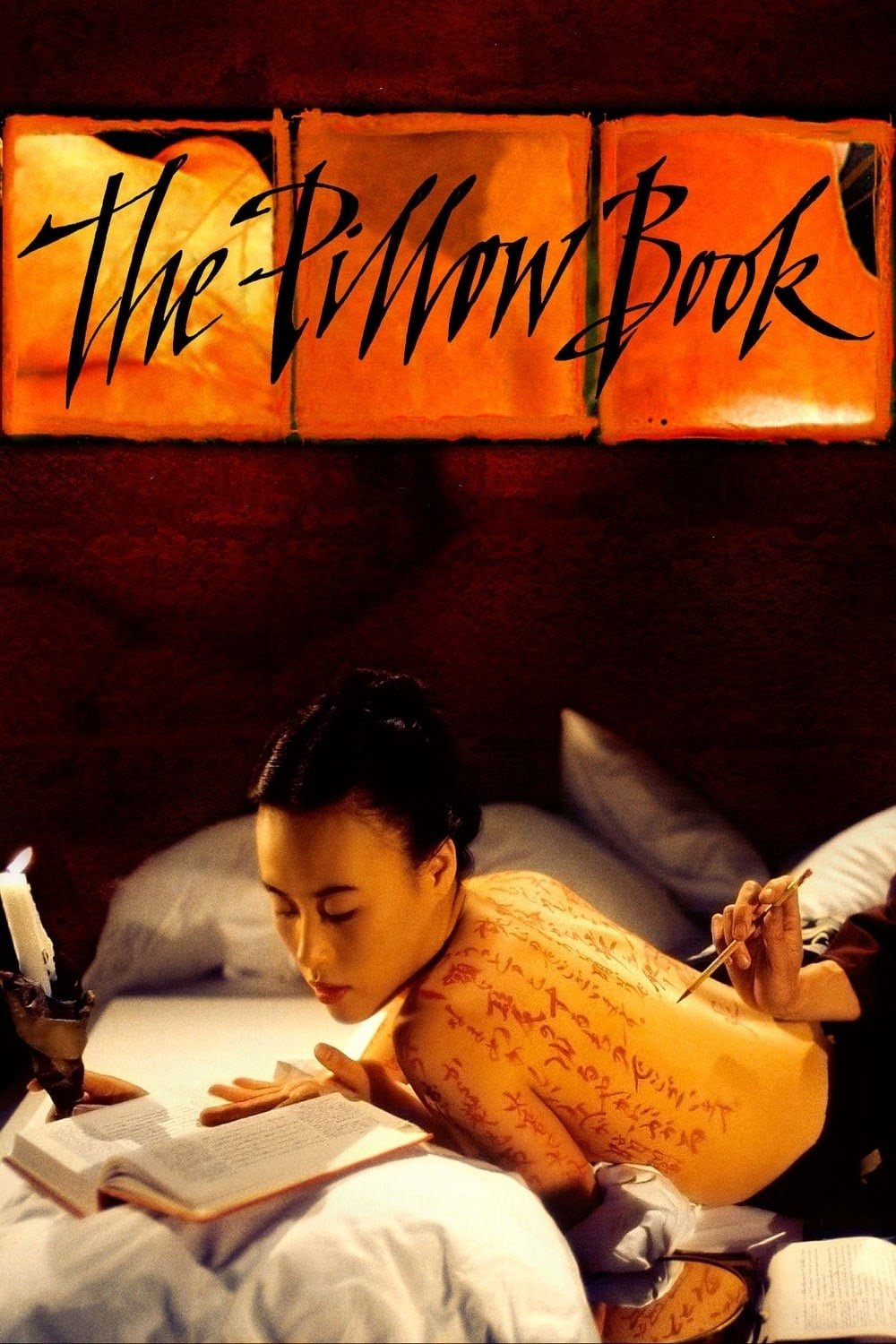
The Pillow Book scores a low 3/10 on wokeness because its gay publisher and Jerome's bisexuality function strictly as plot drivers in an erotic revenge story, not as vehicles for identity statements or norm critiques. The film draws from traditional Japanese literary sources and body-as-text metaphors with no activist framing or social justice themes.
The Pillow Book centers on Nagiko's erotic obsession with calligraphy written on human bodies, rooted in childhood rituals with her father and readings from Sei Shōnagon's ancient diary.
The narrative follows her search for ideal lovers who combine sexual and artistic passion, leading to encounters with calligraphers, an arranged marriage, and ultimately Jerome, an English translator whose body becomes her canvas. Revenge against her father's exploitative gay publisher drives key conflicts, including Jerome's bisexual involvement with the publisher and tragic consequences involving flayed skin and macabre pillow books.
LGBTQ+ elements appear through the gay publisher character, who demands sexual favors, and Jerome's bisexuality, which results in a same-sex encounter and betrayal subplot. These are integrated into the erotic drama and revenge arc rather than serving as standalone identity statements or critiques of norms. The story draws from traditional Japanese literary and artistic traditions, emphasizing body-as-text metaphors without activist framing.
Casting aligns with the story's bi-cultural and international setting: Vivian Wu (Chinese actress) portrays the half-Chinese/half-Japanese Nagiko, with no swaps of pre-existing characters. Director Peter Greenaway described the film as a celebration of sex, text, literature, and flesh through visual metaphors, not ideological messaging. Reception focused on its artistic style, nudity, and eroticism, with no evidence of contemporary social justice themes or audience polarization along those lines.
Methodology: Each score synthesizes audience discourse, critic and aggregator reception, and press coverage — weighed against the work itself, not any single source.
See how this title scores across all 5 woke subcategories with detailed explanations.
Unlock with ProFrom $3/month · 3-day trial for $1
A curated roundup of newly scored movies, shows, and games, with the context behind the scores. Free. Unsubscribe anytime.
Privacy policyWe've run a full content analysis on The Pillow Book and scored it 3/10 on the woke scale. Read our detailed breakdown above to see exactly what we found.
Our analysis checks for themes like identity politics, race-swapping, gender ideology, environmental activism, anti-religious messaging, and other progressive agenda elements. The score breakdown above shows which specific categories were flagged and how heavily they factor into The Pillow Book's overall score.
Wokeometer focuses on ideological content rather than traditional ratings (violence, language, etc.). The Pillow Book is rated NC-17. For a full picture, combine our woke analysis with the age rating to decide if it's right for your family.
We evaluate media across multiple ideological categories on a 0–10 scale. Scores of 0–3 mean story-first, 4–6 have moderate elements, and 7–10 flag heavily agenda-driven content. Learn more about our methodology →
Similar titles you might enjoy
No reviews yet
Be the first to share what you thought of The Pillow Book.
Browse Wokeometer by service
Browse Wokeometer by service