Box Office
Flop · 0.1xBudget$120K
Worldwide Gross$10.9K
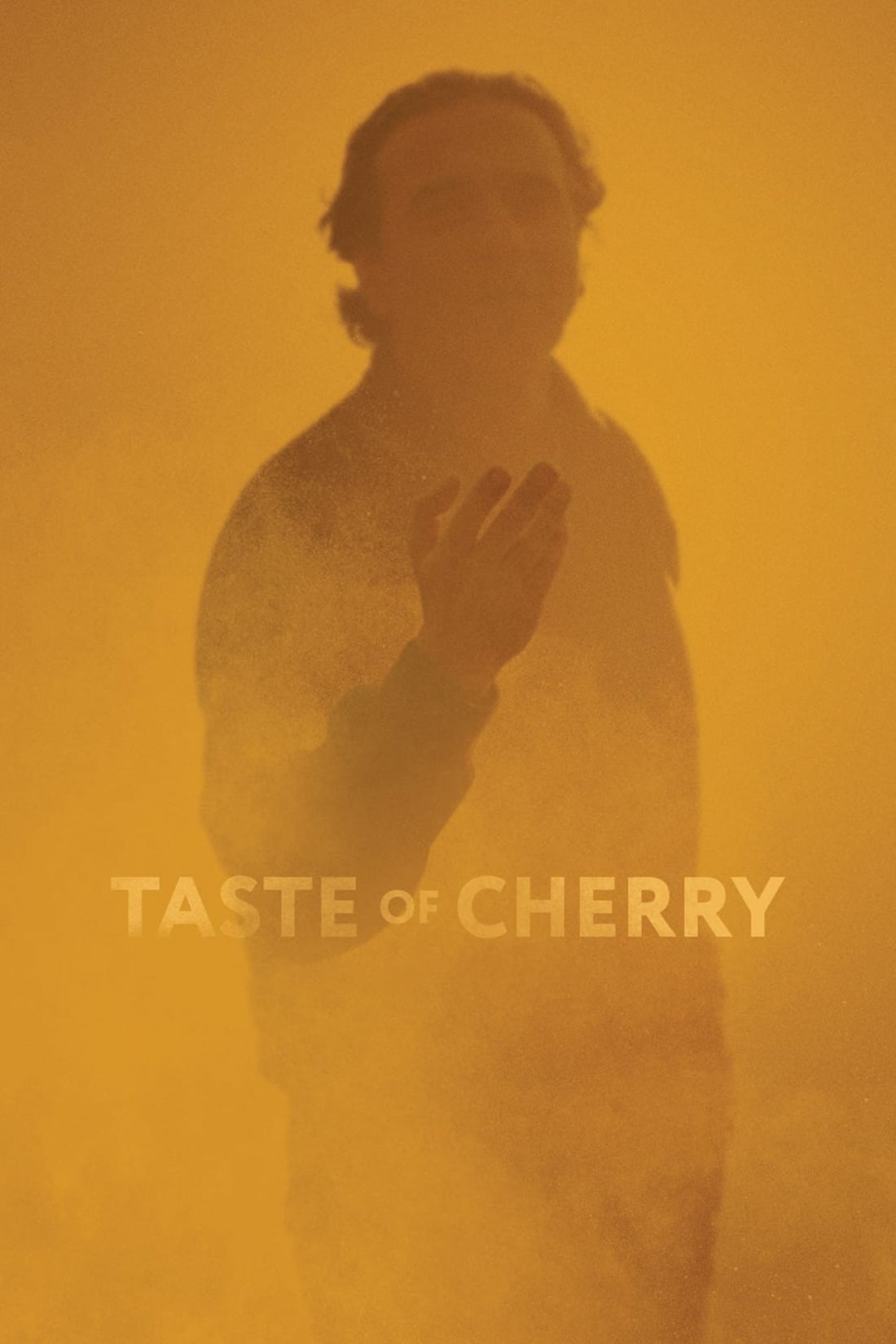
Taste of Cherry
movie·NR·Mar 20, 1998·
Box OfficeFlop · 0.1x
$120K
Budget
$10.9K
Gross
Taste of Cherry
movie
NR
March 20, 1998
Wokeometer Rating
0Based
Scale: 0 = not woke, 10 = maximally woke
TL;DR Verdict
Taste of Cherry earns a 0/10 woke score by focusing purely on Mr. Badii's existential search for meaning in life and death, with zero identity politics or activist framing.
Paid creator placementsFeature your article or video on this page
Detailed Analysis
Taste of Cherry is a 1997 Iranian minimalist drama centered on Mr. Badii, a middle-aged Tehran man driving through the city to find someone willing to bury him after his planned suicide.
He encounters a young Kurdish soldier who flees, an Afghan seminarian who objects on religious grounds from the Quran, and an Azeri taxidermist who agrees for financial reasons but recounts his own past suicide attempt thwarted by tasting mulberries, urging Badii to embrace life's simple pleasures. The film explores existential questions of life, death, choice, and human connection without any framing of systemic oppression, identity politics, or critiques of traditional norms.
Director Abbas Kiarostami explicitly described the work as about the freedom to choose life rather than death, noting in interviews that the possibility of suicide highlights God's kindness in allowing the option while affirming the decision to live. The narrative draws on Iranian cultural and Islamic contexts, including religious prohibitions on suicide, presented organically through character interactions rather than activist messaging. Casting features Iranian actors in roles aligned with their ethnic and cultural backgrounds—Kurdish, Afghan, Azeri—consistent with the Tehran setting and source material, with no gender swaps, race changes to established characters, or modern DEI elements.
No evidence of progressive ideological influence appears in plot, themes, dialogue, or creator statements. Searches for contemporary controversies yield only discussions of the suicide subject matter in Iran or the film's ambiguous video coda showing the crew filming, not any backlash over social justice themes. Reception focuses on its philosophical humanism and Palme d'Or win, with no alignment to contemporary Western progressive activism. The storytelling remains traditional and existential, prioritizing universal human experiences over ideological framing.
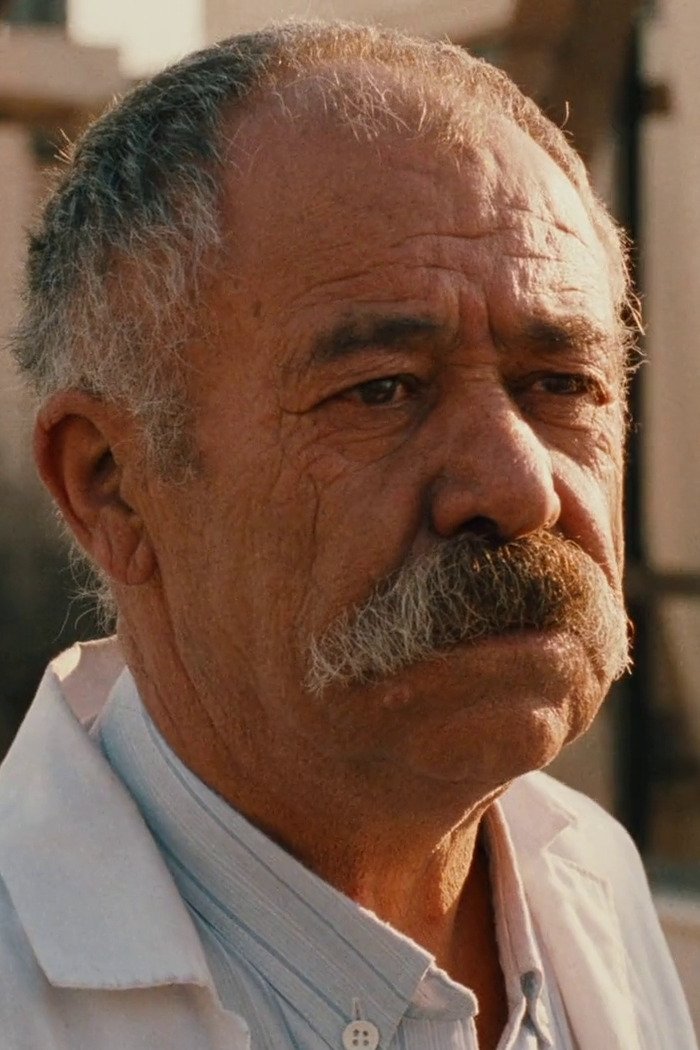
Casting evidence: Casting research is incomplete or contains unresolved comparisons; overall casting fidelity has not been established. Documented credits include Homayoun Ershadi as Mr. Badii; Abdolrahman Bagheri as Mr. Bagheri (taxidermist).
Key Factors
- Existential themes of life, death, and choice rooted in Iranian/Islamic cultural context with no identity politics or systemic critiques
- Traditional casting of Iranian actors in ethnically consistent original roles with no swaps or modern diversity mandates
- Creator statements emphasize personal freedom and affirmation of life, corroborated by released content
- Absence of any LGBTQ+ representation, feminist framing, or DEI elements; zero audience or critical discourse linking it to progressive messaging
Methodology: Each score synthesizes audience discourse, critic and aggregator reception, and press coverage — weighed against the work itself, not any single source.
Pro BreakdownPro
Identity Politics & Racial Essentialism
Gender Ideology & LGBTQ+ Themes
DEI Casting & Representation Mandates
Preachiness & Message-First Agenda
Corporate & Creator Activism
See how this title scores across all 5 woke subcategories with detailed explanations.
Unlock with ProFrom $3/month · 3-day trial for $1
The Woke Report
A curated roundup of newly scored movies, shows, and games, with the context behind the scores. Free. Unsubscribe anytime.
Privacy policyDirected by
Is Taste of Cherry Woke?
We've run a full content analysis on Taste of Cherry and scored it 0/10 on the woke scale. Read our detailed breakdown above to see exactly what we found.
Frequently Asked Questions
What kind of woke content is in Taste of Cherry?
Our analysis checks for themes like identity politics, race-swapping, gender ideology, environmental activism, anti-religious messaging, and other progressive agenda elements. The score breakdown above shows which specific categories were flagged and how heavily they factor into Taste of Cherry's overall score.
Is Taste of Cherry family-friendly?
Wokeometer focuses on ideological content rather than traditional ratings (violence, language, etc.). Taste of Cherry is rated NR. For a full picture, combine our woke analysis with the age rating to decide if it's right for your family.
How does Wokeometer score movies?
We evaluate media across multiple ideological categories on a 0–10 scale. Scores of 0–3 mean story-first, 4–6 have moderate elements, and 7–10 flag heavily agenda-driven content. Learn more about our methodology →