Shin Kamen Rider
movie·NR·May 31, 2023·
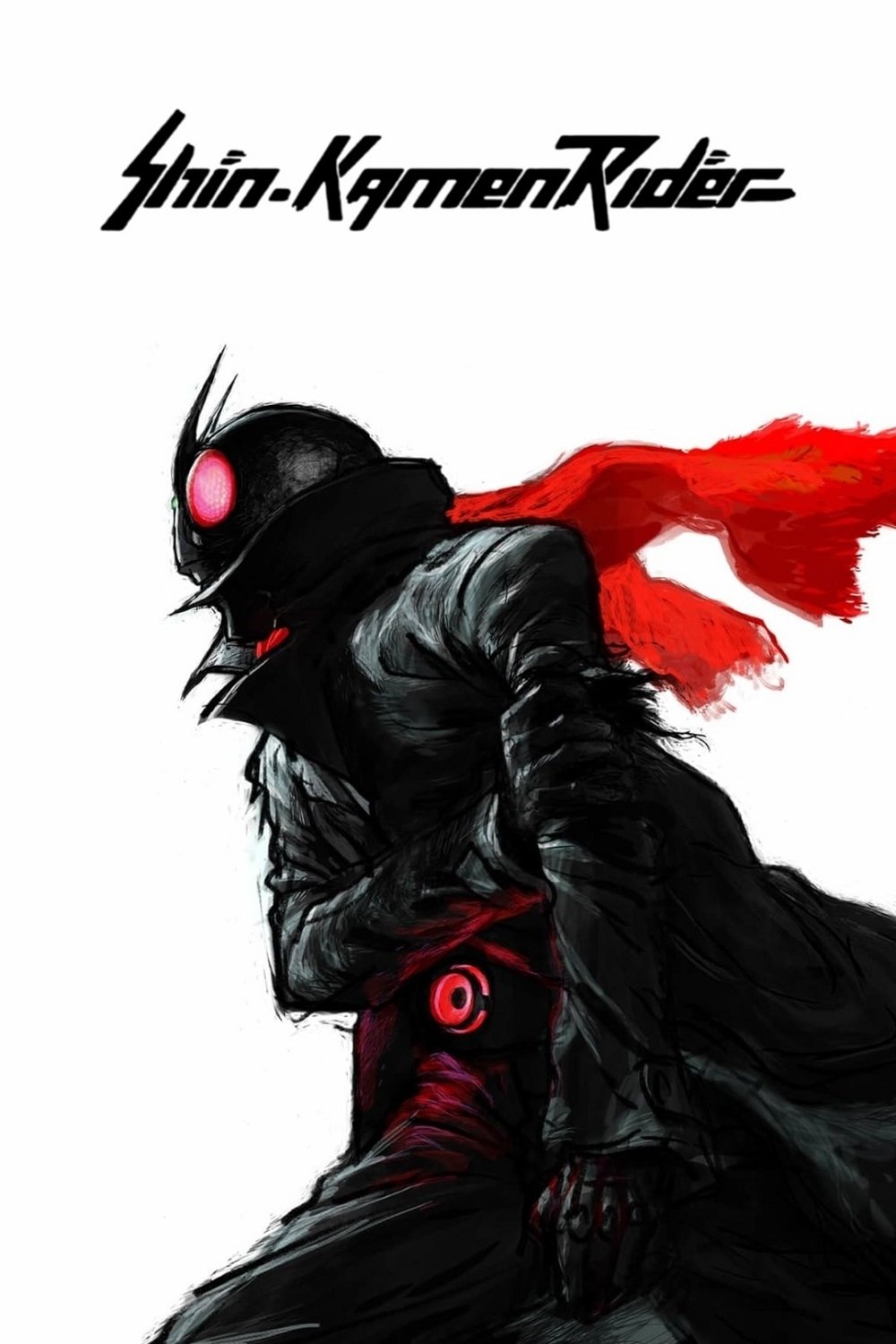
Shin Kamen Rider
movie
NR
May 31, 2023
Wokeometer Rating
2Based
Scale: 0 = not woke, 10 = maximally woke
TL;DR Verdict
Shin Kamen Rider stays true to its 1971 roots with classic themes of humanity, justice, and moral struggle, delivering pure story-driven action free of identity politics or social messaging. This earns it a low 2/10 woke score as neutral, faithful entertainment.
Paid creator placementsFeature your article or video on this page
Detailed Analysis
Shin Kamen Rider is a direct homage to the 1971 tokusatsu classic, centering on Takeshi Hongo's transformation into a grasshopper-augmented cyborg by the evil SHOCKER organization and his fight for justice alongside Ruriko Midorikawa.
The narrative explores traditional themes of identity (humanity versus machine), good versus evil, loss, and moral dilemmas about using violence for justice, with Hongo vowing to remain human despite his power and questioning SHOCKER's twisted vision of happiness through domination. These are classic hero's-journey and resistance-to-evil tropes with no progressive ideological framing such as identity politics, systemic oppression critiques, or DEI-driven casting departures.
Casting preserves all established characters faithfully: Sosuke Ikematsu plays the male Japanese protagonist Takeshi Hongo, Minami Hamabe plays the female Ruriko Midorikawa, and other roles like Hayato Ichimonji follow the original series without swaps or modern activist reinterpretations. Creator Hideaki Anno's intent, drawn from interviews and production notes, focuses on obsessive fidelity to the source material's retro aesthetics, moral ambiguity, and emotional depth rather than contemporary social justice messaging.
Reception highlights the film's gritty action, emotional partnership between Hongo and Ruriko, and philosophical questions about justice without any notable discourse around "woke" elements or backlash tied to progressive themes. Minor modern touches in the reimagined SHOCKER backstory exist but remain incidental to the core entertainment-driven storytelling and do not drive the premise or character arcs.
Casting evidence: Casting research is incomplete or contains unresolved comparisons; overall casting fidelity has not been established. Documented credits include Sosuke Ikematsu as Takeshi Hongo / Kamen Rider; Minami Hamabe as Ruriko Midorikawa.
Key Factors
- Traditional good-vs-evil tokusatsu narrative with no identity politics or systemic critiques
- Faithful casting of established Japanese characters with no race/gender swaps
- Creator focus on homage to 1971 series moral dilemmas rather than activist intent
- Absence of LGBTQ+ representation, DEI elements, or lecture-style themes in plot or reception
Methodology: Each score synthesizes audience discourse, critic and aggregator reception, and press coverage — weighed against the work itself, not any single source.
Pro BreakdownPro
Identity Politics & Racial Essentialism
Gender Ideology & LGBTQ+ Themes
DEI Casting & Representation Mandates
Preachiness & Message-First Agenda
Corporate & Creator Activism
See how this title scores across all 5 woke subcategories with detailed explanations.
Unlock with ProFrom $3/month · 3-day trial for $1
The Woke Report
A curated roundup of newly scored movies, shows, and games, with the context behind the scores. Free. Unsubscribe anytime.
Privacy policyDirected by
Is Shin Kamen Rider Woke?
We've run a full content analysis on Shin Kamen Rider and scored it 2/10 on the woke scale. Read our detailed breakdown above to see exactly what we found.
Frequently Asked Questions
What kind of woke content is in Shin Kamen Rider?
Our analysis checks for themes like identity politics, race-swapping, gender ideology, environmental activism, anti-religious messaging, and other progressive agenda elements. The score breakdown above shows which specific categories were flagged and how heavily they factor into Shin Kamen Rider's overall score.
Is Shin Kamen Rider family-friendly?
Wokeometer focuses on ideological content rather than traditional ratings (violence, language, etc.). Shin Kamen Rider is rated NR. For a full picture, combine our woke analysis with the age rating to decide if it's right for your family.
How does Wokeometer score movies?
We evaluate media across multiple ideological categories on a 0–10 scale. Scores of 0–3 mean story-first, 4–6 have moderate elements, and 7–10 flag heavily agenda-driven content. Learn more about our methodology →