
Box Office
Flop · 0.1xBudget$5M
Worldwide Gross$742.9K
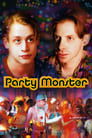
Party Monster
movie·R·Sep 5, 2003·
Box OfficeFlop · 0.1x
$5M
Budget
$742.9K
Gross
Party Monster
movie
R
September 5, 2003
Wokeometer Rating
3Based
Scale: 0 = not woke, 10 = maximally woke
TL;DR Verdict
Party Monster scores a low 3/10 because its core story follows a classic protagonist-to-villain arc driven by personal hedonism, addiction, and murder rather than identity politics or systemic critiques. Subcultural elements remain incidental biographical details without activist framing or casting changes.
Paid creator placementsFeature your article or video on this page
Detailed Analysis
Party Monster (2003) is a biographical drama depicting the real-life rise and fall of club promoter Michael Alig in the 1980s-1990s New York club kid scene, centered on hedonism, drug addiction, and his murder of drug dealer Angel Melendez.
The narrative follows a traditional protagonist journey to villain arc driven by personal excess and crime, not identity politics or systemic critiques.
The film includes organic representation of the historically queer club kid subculture through flamboyant characters like James St. James and party aesthetics, with some homophobic slurs used by the descending protagonist. These elements reflect the source memoir and real events rather than modern activist framing or normalization as a focal point. No race- or gender-swapping of established figures occurs; casting aligns with biographical subjects.
Creator intent from directors Fenton Bailey and Randy Barbato emphasizes the kitsch and downfall of the scene in a dark comedy style, consistent with their prior documentary. Reception highlights its lurid excess and mixed critical response without prominent discourse framing it as progressive messaging or backlash over ideology. The core premise collapses without the crime and addiction story, placing any subcultural elements as incidental to the entertainment-focused biographical tale.
Key Factors
- Biographical rise-and-fall story of real club kid Michael Alig centered on drugs, fame, and murder
- Incidental portrayal of 80s/90s queer club subculture without activist themes or centrality
- No established character race/gender swaps or DEI-driven casting departures
- Traditional cautionary narrative of personal excess, not critiques of norms or identity politics
Methodology: Each score synthesizes audience discourse, critic and aggregator reception, and press coverage — weighed against the work itself, not any single source.
Pro BreakdownPro
Identity Politics & Racial Essentialism
Gender Ideology & LGBTQ+ Themes
DEI Casting & Representation Mandates
Preachiness & Message-First Agenda
Corporate & Creator Activism
See how this title scores across all 5 woke subcategories with detailed explanations.
Unlock with ProFrom $3/month · 3-day trial for $1
The Woke Report
A curated roundup of newly scored movies, shows, and games, with the context behind the scores. Free. Unsubscribe anytime.
Privacy policyDirected by
Is Party Monster Woke?
We've run a full content analysis on Party Monster and scored it 3/10 on the woke scale. Read our detailed breakdown above to see exactly what we found.
Frequently Asked Questions
What kind of woke content is in Party Monster?
Our analysis checks for themes like identity politics, race-swapping, gender ideology, environmental activism, anti-religious messaging, and other progressive agenda elements. The score breakdown above shows which specific categories were flagged and how heavily they factor into Party Monster's overall score.
Is Party Monster family-friendly?
Wokeometer focuses on ideological content rather than traditional ratings (violence, language, etc.). Party Monster is rated R. For a full picture, combine our woke analysis with the age rating to decide if it's right for your family.
How does Wokeometer score movies?
We evaluate media across multiple ideological categories on a 0–10 scale. Scores of 0–3 mean story-first, 4–6 have moderate elements, and 7–10 flag heavily agenda-driven content. Learn more about our methodology →