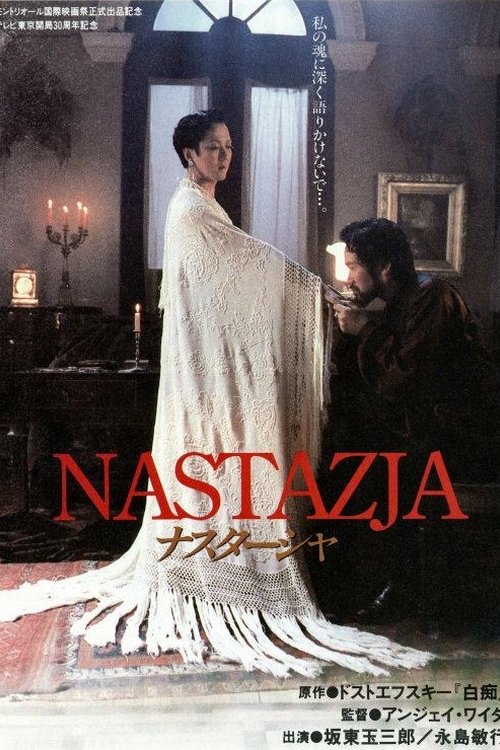
Nastazja
movie·Apr 1, 1994·
Nastazja
movie
April 1, 1994
Wokeometer Rating
2Based
Scale: 0 = not woke, 10 = maximally woke
TL;DR Verdict
Nastazja stays rooted in Dostoevsky’s classic themes of love, jealousy, and psychological torment with no modern social justice framing. Its Kabuki casting follows traditional Japanese theater practice to blend the central characters, not contemporary identity politics.
Paid creator placementsFeature your article or video on this page
Detailed Analysis
Nastazja is a 1994 chamber drama adapting the final chapter of Dostoevsky’s The Idiot, centering on Prince Myshkin and Rogozhin conversing over Nastassya Filippovna’s body while flashing back to their shared obsession.
The storytelling remains rooted in classic literary themes of love, jealousy, innocence, and psychological torment, with no modern social justice framing or critiques of traditional norms.
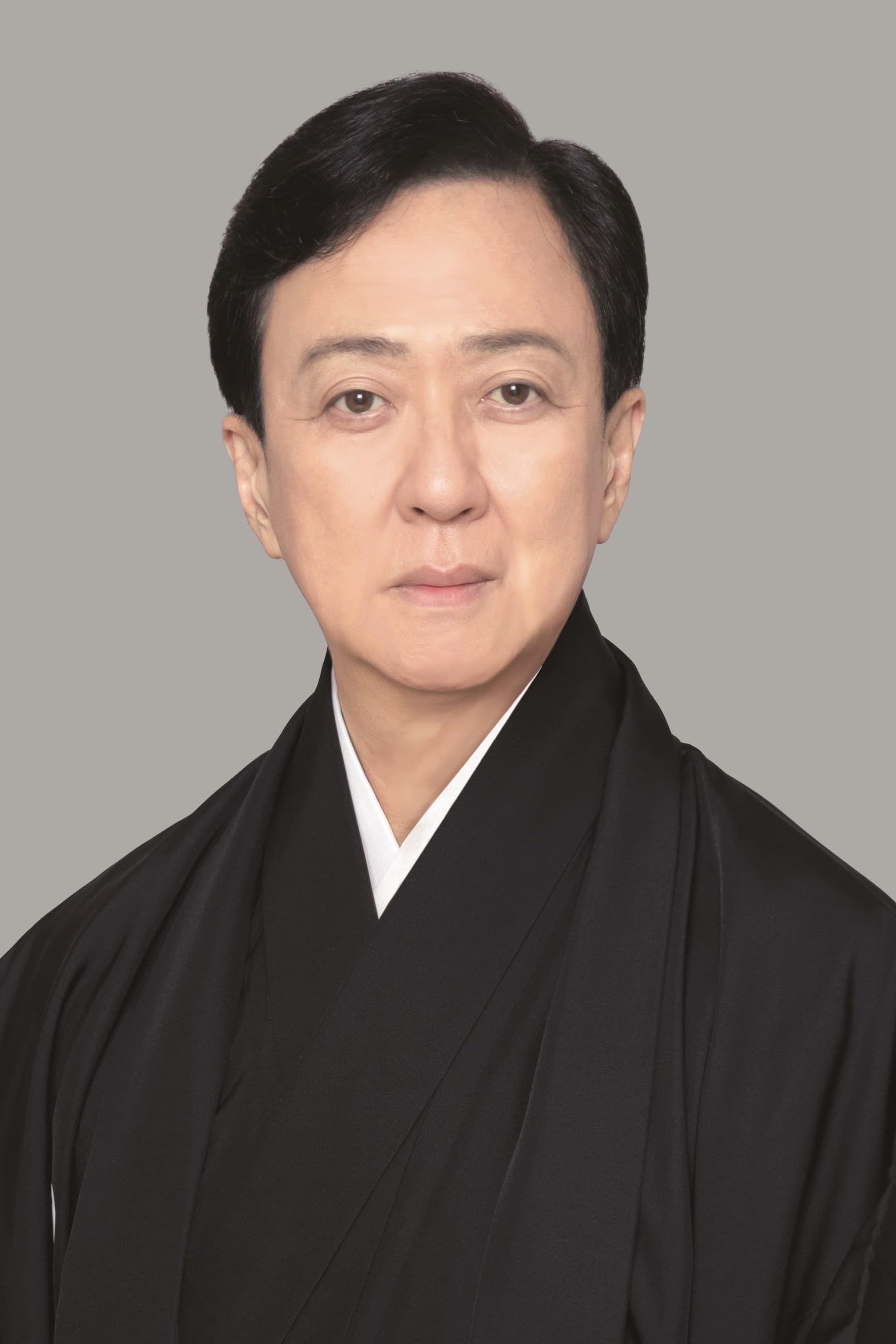
The sole notable element is the casting of Kabuki onnagata actor Tamasaburō Bandō V in the dual role of Myshkin and Nastassya. This draws directly from longstanding Japanese theatrical tradition rather than contemporary identity politics, allowing the performer to fluidly shift between the characters in a stylized, spiritual manner that Wajda described as pure theater. The choice enhances the source material’s exploration of the characters’ intertwined fates without injecting activist messaging.
Reception treats the film as an audacious artistic experiment blending Polish direction, Japanese performance, and Russian literature, with no documented backlash or commentary framing it as ideological. The 1994 release predates modern progressive cultural shifts, and the narrative premise would stand unchanged without the casting device.
Tamasaburō Bandō V as Prince Myshkin / Nastassya Filippovna: Traditional Kabuki cross-gender performance for artistic blending of characters; not a modern rewrite
Key Factors
- Traditional Kabuki onnagata casting for dual roles justified by theatrical convention and story needs
- Core premise and themes drawn faithfully from Dostoevsky with no added identity politics or systemic critiques
- No creator statements or narrative elements promoting contemporary social justice activism
Methodology: Each score synthesizes audience discourse, critic and aggregator reception, and press coverage — weighed against the work itself, not any single source.
Pro BreakdownPro
Identity Politics & Racial Essentialism
Gender Ideology & LGBTQ+ Themes
DEI Casting & Representation Mandates
Preachiness & Message-First Agenda
Corporate & Creator Activism
See how this title scores across all 5 woke subcategories with detailed explanations.
Unlock with ProFrom $3/month · 3-day trial for $1
The Woke Report
A curated roundup of newly scored movies, shows, and games, with the context behind the scores. Free. Unsubscribe anytime.
Privacy policyDirected by
Is Nastazja Woke?
We've run a full content analysis on Nastazja and scored it 2/10 on the woke scale. Read our detailed breakdown above to see exactly what we found.
Frequently Asked Questions
What kind of woke content is in Nastazja?
Our analysis checks for themes like identity politics, race-swapping, gender ideology, environmental activism, anti-religious messaging, and other progressive agenda elements. The score breakdown above shows which specific categories were flagged and how heavily they factor into Nastazja's overall score.
Is Nastazja family-friendly?
Wokeometer focuses on ideological content rather than traditional ratings (violence, language, etc.). For a full picture, combine our woke analysis with the official content rating to decide if it's right for your family.
How does Wokeometer score movies?
We evaluate media across multiple ideological categories on a 0–10 scale. Scores of 0–3 mean story-first, 4–6 have moderate elements, and 7–10 flag heavily agenda-driven content. Learn more about our methodology →