Box Office
Underperformed · 1.4xBudget$15M
Worldwide Gross$20.3M
Shop this title
Shop this title
Mulholland Drive
We may earn a commission from purchases through these links.
Search US stores by format. Check the title and edition before buying.
Explore Prime Video — Opens in a new tab
Catalog availability and subscription terms vary.
Mulholland Drive
movie·R·Oct 19, 2001·
Box OfficeUnderperformed · 1.4x
$15M
Budget
$20.3M
Gross
Shop
Shop this title
Mulholland Drive
We may earn a commission from purchases through these links.
Search US stores by format. Check the title and edition before buying.
Explore Prime Video — Opens in a new tab
Catalog availability and subscription terms vary.
Mulholland Drive
movie
R
October 19, 2001
Wokeometer Rating
2Based
Scale: 0 = not woke, 10 = maximally woke
TL;DR Verdict
Mulholland Drive: 2/10 wokeness—pure Lynchian surrealism, Hollywood illusions, and identity twists with zero political preaching, DEI forcing, or activist agendas. Safe, story-focused cult classic.
Paid creator placementsFeature your article or video on this page
Detailed Analysis
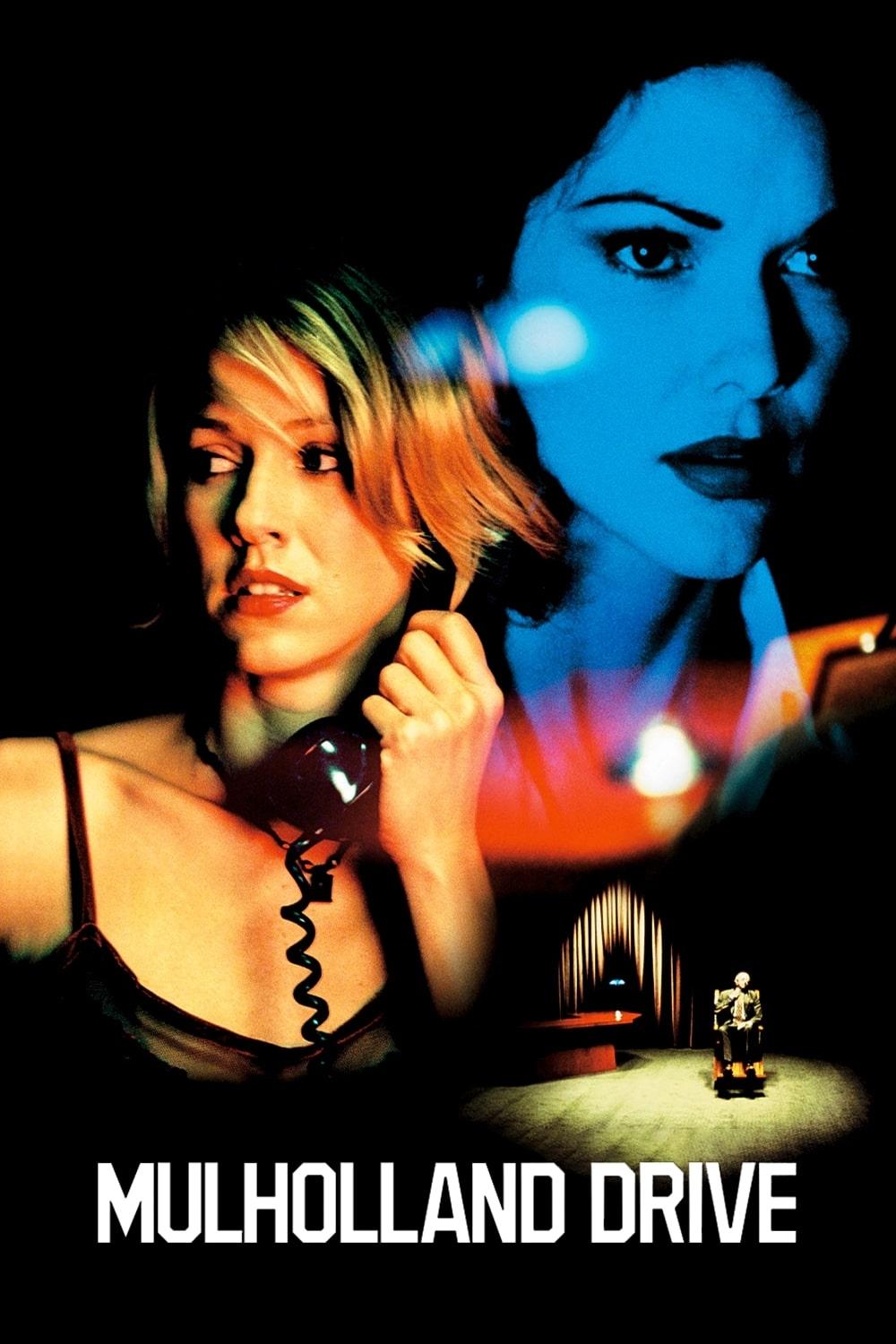
Mulholland Drive is a surreal neo-noir mystery from 2001 directed by David Lynch, focused on Hollywood's dreamlike illusions, identity confusion through amnesia, and the industry's dark underbelly, with no discernible progressive ideological influence driving its storytelling, casting, or themes.
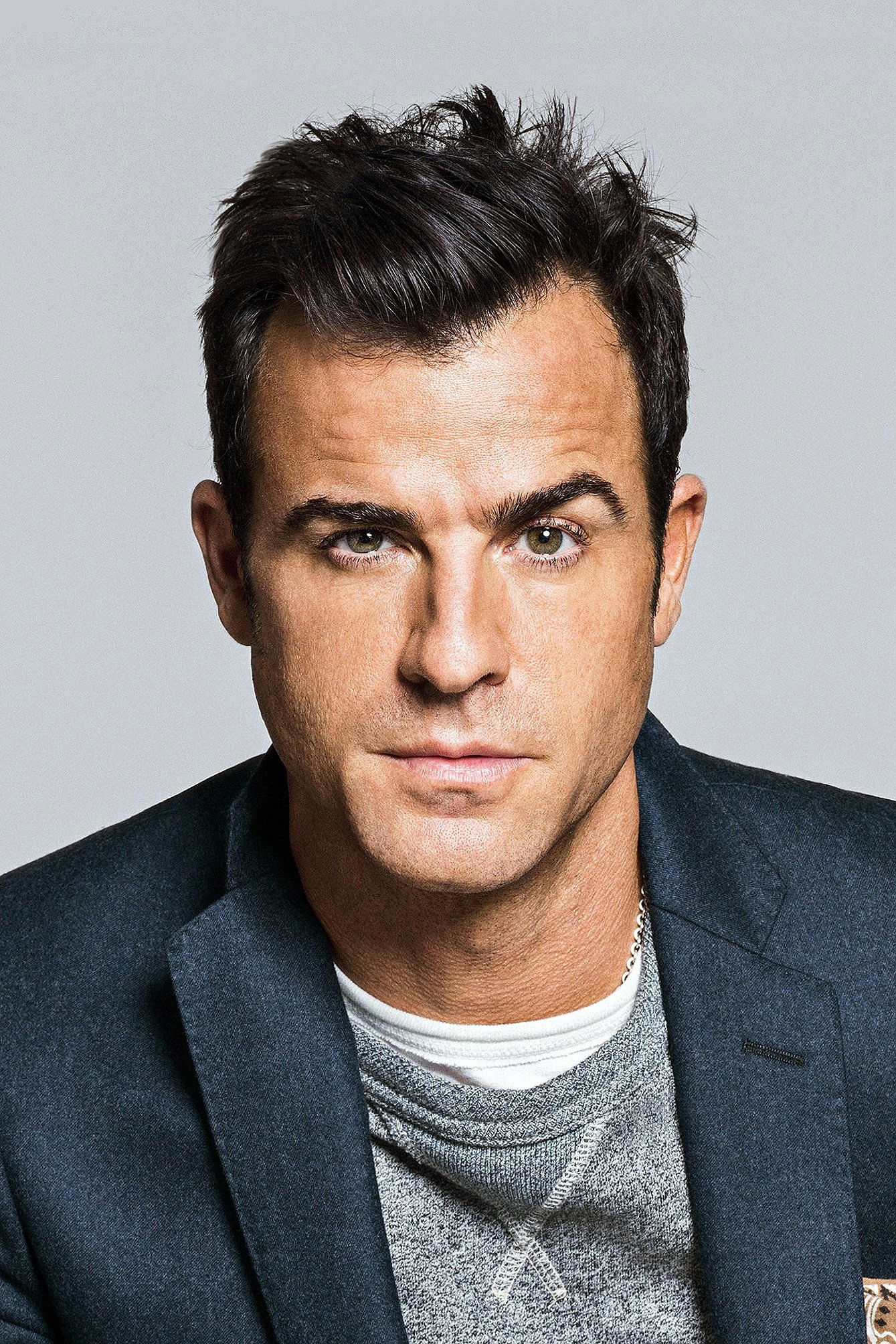
The narrative centers on Betty's arrival in Hollywood, her encounter with the amnesiac Rita, and a parallel filmmaker's mob troubles, culminating in a dream-reality twist that prioritizes psychological ambiguity and Lynchian weirdness over any social commentary. Casting features Naomi Watts and Laura Harring in lead roles that feel organic to the Hollywood fable, with no evidence of race-swapping, gender alterations, or forced DEI quotas; supporting roles like Justin Theroux and Ann Miller align naturally with the era and setting without contrived diversity.
The film's notable lesbian sex scene between Betty and Rita occurs within the dream sequence, serving the themes of blurred identities and fantasy rather than promoting LGBTQ+ activism, identity politics, or critiques of traditional norms—it's incidental eroticism in a non-preachy context, predating modern social justice mandates. No creator interviews reveal activist intent; Lynch's work emphasizes artistic abstraction and alienation, not systemic oppression narratives. Reception remains a cult classic with universal acclaim for its artistry, devoid of any 'woke' backlash, 'go woke go broke' complaints, or polarized discourse on progressive elements, allowing pure entertainment and interpretive freedom unmarred by ideological intrusions.
Methodology: Each score synthesizes audience discourse, critic and aggregator reception, and press coverage — weighed against the work itself, not any single source.
Detailed BreakdownPro
Free Preview1 of 5 categories unlocked
Corporate & Creator Activism0
David Lynch's approach emphasizes artistic abstraction and alienation with no interviews or production elements indicating activist intent, DEI initiatives, or progressive marketing.
Identity Politics & Racial Essentialism
Gender Ideology & LGBTQ+ Themes
DEI Casting & Representation Mandates
Preachiness & Message-First Agenda
Unlock the other 4 categories — including Identity Politics and Gender Ideology — with detailed explanations.
Unlock with ProFrom $3/month · 3-day trial for $1
The Woke Report
A curated roundup of newly scored movies, shows, and games, with the context behind the scores. Free. Unsubscribe anytime.
Privacy policyDirected by
Is Mulholland Drive Woke?
We've run a full content analysis on Mulholland Drive and scored it 2/10 on the woke scale. Read our detailed breakdown above to see exactly what we found.
Frequently Asked Questions
What kind of woke content is in Mulholland Drive?
Our analysis checks for themes like identity politics, race-swapping, gender ideology, environmental activism, anti-religious messaging, and other progressive agenda elements. The score breakdown above shows which specific categories were flagged and how heavily they factor into Mulholland Drive's overall score.
Is Mulholland Drive family-friendly?
Wokeometer focuses on ideological content rather than traditional ratings (violence, language, etc.). Mulholland Drive is rated R. For a full picture, combine our woke analysis with the age rating to decide if it's right for your family.
How does Wokeometer score movies?
We evaluate media across multiple ideological categories on a 0–10 scale. Scores of 0–3 mean story-first, 4–6 have moderate elements, and 7–10 flag heavily agenda-driven content. Learn more about our methodology →