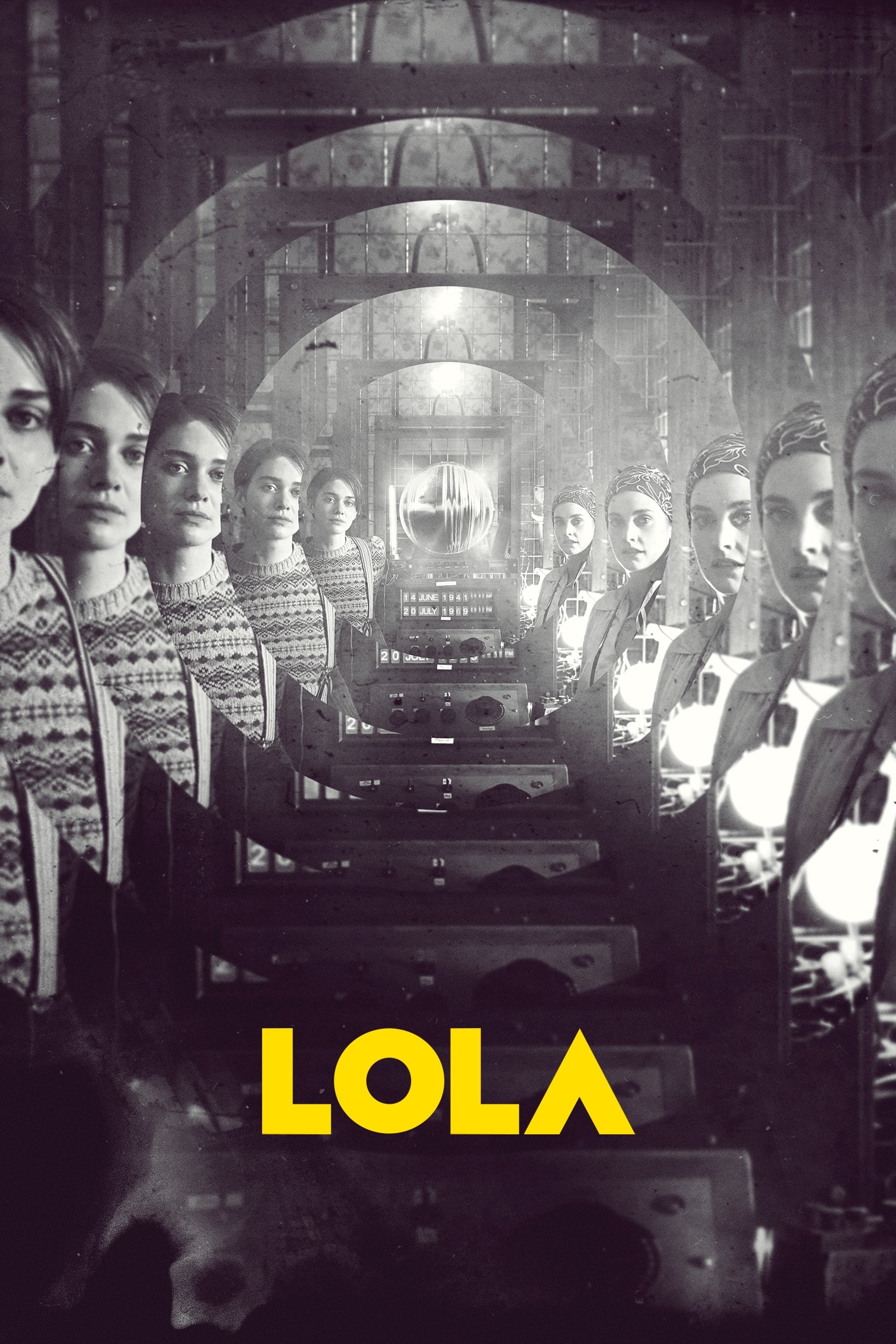
LOLA
movie·15·Apr 7, 2023·
LOLA
movie
15
April 7, 2023
Wokeometer Rating
2Based
Scale: 0 = not woke, 10 = maximally woke
TL;DR Verdict
LOLA earns its low 2/10 woke score as pure story-driven sci-fi, with two inventive sisters using a future-broadcast device to battle Nazis and wrestle with timeline ethics. No identity politics, no lectures, just a sharp cautionary tale about power and history.
Paid creator placementsFeature your article or video on this page
Detailed Analysis
LOLA centers on original characters Thomasina and Martha Hanbury, two orphaned sisters in 1938 Sussex who invent a machine intercepting future radio and TV broadcasts.
They initially use it for music and entertainment before deploying it for Allied intelligence against Nazi Germany during WWII, with escalating consequences including altered timelines and a fascist Britain under Mosley. The narrative explores ethics of altering history, power's corrupting influence, and sibling tension, framed as a found-footage sci-fi cautionary tale without reference to identity politics or systemic critiques.
Casting features women in the lead inventor roles, fully justified by the premise of intellectually raised sisters in isolation; no established characters from prior works are altered, and no cross-sex casting or source swaps occur. Director Andrew Legge's debut emphasizes ingenuity and historical what-ifs, with no creator statements highlighting activism or inclusion mandates. Reviews note the sisters as capable and forward-thinking within the story's logic, but this remains incidental to the time-travel mechanics and war-resistance plot.
Reception shows strong critic approval for its stylistic execution and clever premise, with no significant backlash or discourse labeling it "woke." Minor elements like capable female protagonists overlap with progressive tropes but align with classic storytelling traditions of empowered leads in genre fiction, not activist framing. The film avoids lecture moments, queer normalization, or DEI-driven changes, keeping progressive influence minimal and non-central.
Casting evidence: Casting research is incomplete or contains unresolved comparisons; overall casting fidelity has not been established. Documented credits include Emma Appleton as Thomasina "Thom" Hanbury; Stefanie Martini as Martha "Mars" Hanbury.
Key Factors
- Original characters with no source-material casting departures
- Themes of time-travel ethics and WWII consequences without identity politics or systemic narratives
- Strong female leads justified organically by isolated intellectual upbringing, not messaging
- No creator intent or reception signals tied to progressive activism
Methodology: Each score synthesizes audience discourse, critic and aggregator reception, and press coverage — weighed against the work itself, not any single source.
Pro BreakdownPro
Identity Politics & Racial Essentialism
Gender Ideology & LGBTQ+ Themes
DEI Casting & Representation Mandates
Preachiness & Message-First Agenda
Corporate & Creator Activism
See how this title scores across all 5 woke subcategories with detailed explanations.
Unlock with ProFrom $3/month · 3-day trial for $1
The Woke Report
A curated roundup of newly scored movies, shows, and games, with the context behind the scores. Free. Unsubscribe anytime.
Privacy policyDirected by
Is LOLA Woke?
We've run a full content analysis on LOLA and scored it 2/10 on the woke scale. Read our detailed breakdown above to see exactly what we found.
Frequently Asked Questions
What kind of woke content is in LOLA?
Our analysis checks for themes like identity politics, race-swapping, gender ideology, environmental activism, anti-religious messaging, and other progressive agenda elements. The score breakdown above shows which specific categories were flagged and how heavily they factor into LOLA's overall score.
Is LOLA family-friendly?
Wokeometer focuses on ideological content rather than traditional ratings (violence, language, etc.). LOLA is rated 15. For a full picture, combine our woke analysis with the age rating to decide if it's right for your family.
How does Wokeometer score movies?
We evaluate media across multiple ideological categories on a 0–10 scale. Scores of 0–3 mean story-first, 4–6 have moderate elements, and 7–10 flag heavily agenda-driven content. Learn more about our methodology →