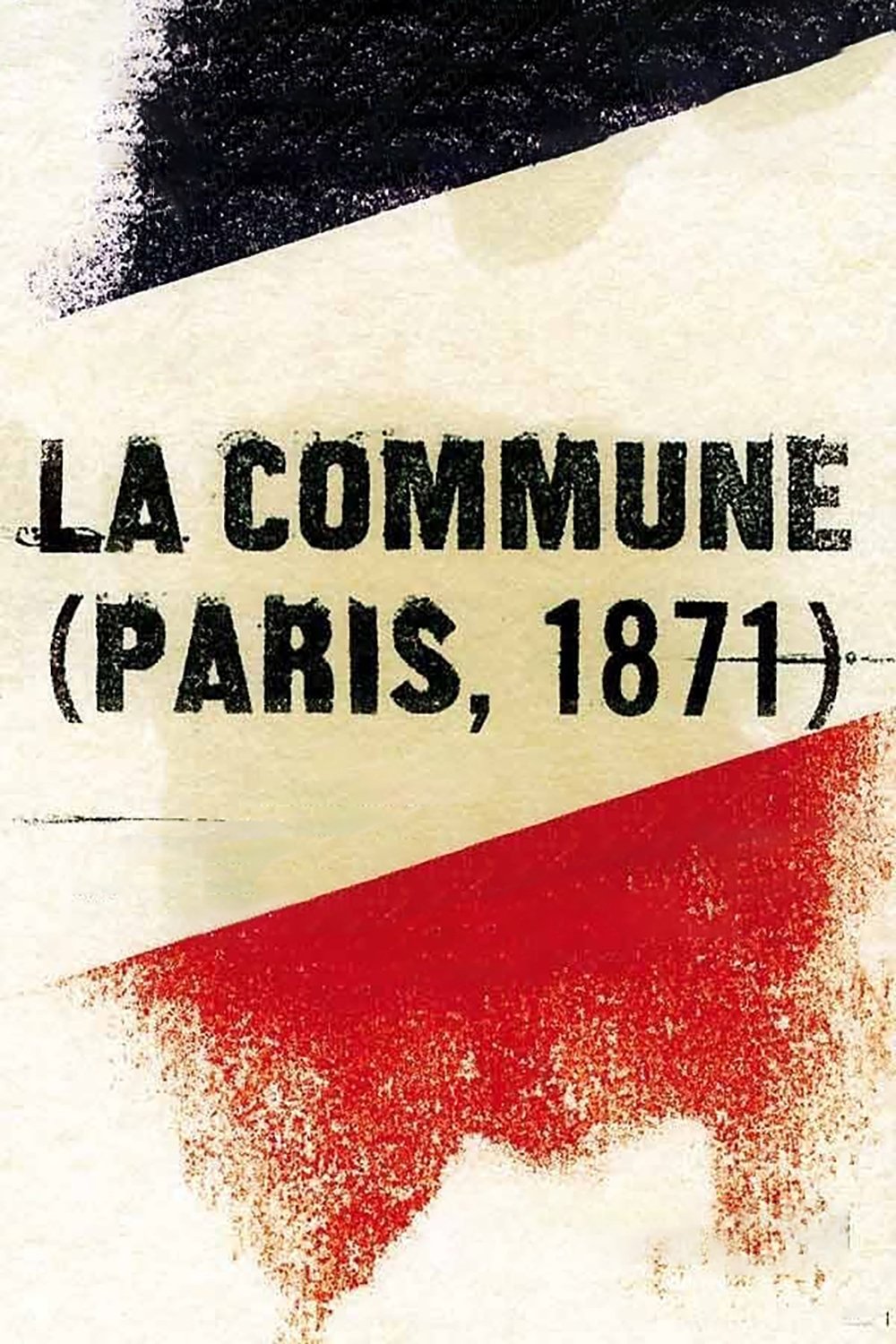
La Commune (Paris, 1871)
movie·U·Jul 3, 2003·
La Commune (Paris, 1871)
movie
U
July 3, 2003
Wokeometer Rating
9Woke
Scale: 0 = not woke, 10 = maximally woke
TL;DR Verdict
La Commune (Paris, 1871) scores 9/10 for wokeness by building its entire story around the Paris Commune's radical experiments in class warfare, workers' self-management, and anti-capitalist reforms while staging modern debates on inequality and media control. The result is a blunt Marxist propaganda piece that prioritizes ideological messaging over history, making it one to skip.
Paid creator placementsFeature your article or video on this page
Detailed Analysis
La Commune (Paris, 1871) centers its entire premise and narrative on the 1871 Paris Commune's radical social experiments, including separation of church and state, workers' self-management, remission of rents, women's unions, and public education reforms.
The film structures its storytelling around competing TV broadcasts that amplify the rebels' perspectives on class struggle, inequality, and anti-authoritarian governance while critiquing state media and traditional power structures.
Peter Watkins deliberately cast over 200 non-professionals aligned with their characters' politics, required them to research the events, and incorporated scenes where actors break character to debate contemporary issues like media manipulation, social exclusion, and participatory democracy. This creates a direct bridge from the Commune's egalitarian ideals to modern critiques of capitalism and norms.
The ideology drives the work: the plot collapses without the focus on revolutionary reforms and media critique, with creator statements emphasizing resistance to mainstream "monoform" storytelling and promotion of collective action. Reception highlights its status as a radical political statement, with some critics noting accusations of Marxist leanings, confirming the centrality of progressive themes over neutral history.
Key Factors
- Core premise revolves around socialist revolutionary reforms and critiques of traditional authority/capitalism
- Creator intent explicitly activist: media critique, participatory politics, linking 1871 to present inequalities
- Prominent on-screen debates and actor improvisations normalize left-wing social experiments as central conflict
- Ensemble portrayal emphasizes women's roles, workers' rights, and anti-establishment voices as focal narrative drivers
Methodology: Each score synthesizes audience discourse, critic and aggregator reception, and press coverage — weighed against the work itself, not any single source.
Pro BreakdownPro
Identity Politics & Racial Essentialism
Gender Ideology & LGBTQ+ Themes
DEI Casting & Representation Mandates
Preachiness & Message-First Agenda
Corporate & Creator Activism
See how this title scores across all 5 woke subcategories with detailed explanations.
Unlock with ProFrom $3/month · 3-day trial for $1
The Woke Report
A curated roundup of newly scored movies, shows, and games, with the context behind the scores. Free. Unsubscribe anytime.
Privacy policyDirected by
Is La Commune (Paris, 1871) Woke?
We've run a full content analysis on La Commune (Paris, 1871) and scored it 9/10 on the woke scale. Read our detailed breakdown above to see exactly what we found.
Frequently Asked Questions
What kind of woke content is in La Commune (Paris, 1871)?
Our analysis checks for themes like identity politics, race-swapping, gender ideology, environmental activism, anti-religious messaging, and other progressive agenda elements. The score breakdown above shows which specific categories were flagged and how heavily they factor into La Commune (Paris, 1871)'s overall score.
Is La Commune (Paris, 1871) family-friendly?
Wokeometer focuses on ideological content rather than traditional ratings (violence, language, etc.). La Commune (Paris, 1871) is rated U. For a full picture, combine our woke analysis with the age rating to decide if it's right for your family.
How does Wokeometer score movies?
We evaluate media across multiple ideological categories on a 0–10 scale. Scores of 0–3 mean story-first, 4–6 have moderate elements, and 7–10 flag heavily agenda-driven content. Learn more about our methodology →