
Box Office
Flop · 0.2xBudget$100M
Worldwide Gross$24.6M
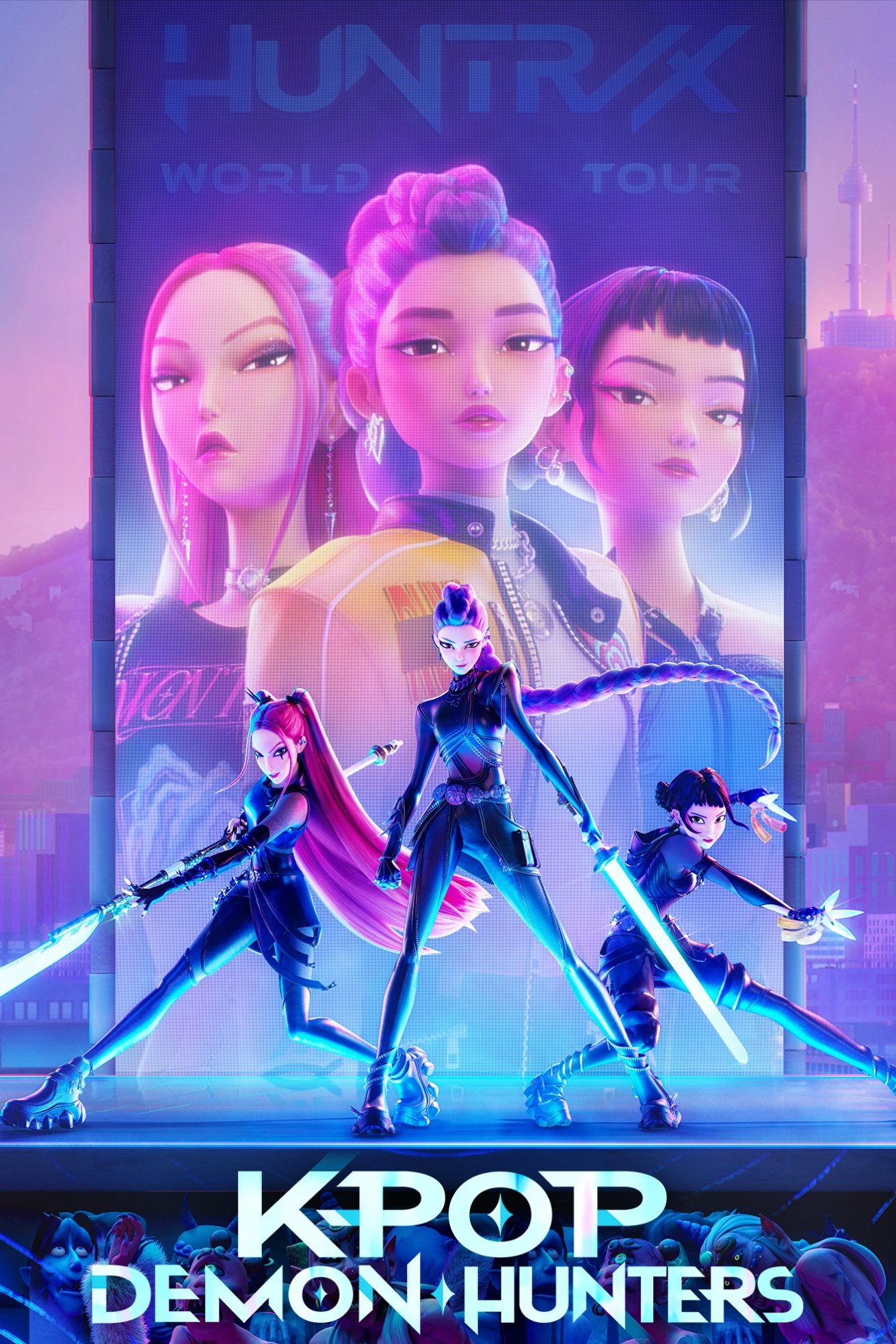
KPop Demon Hunters delivers authentic Korean rep, subtle self-acceptance arcs, and female solidarity organically woven into fun music-fueled action—no preachy wokeness, just Netflix's massive smash hit.
KPop Demon Hunters features a predominantly Asian cast voicing a K-pop girl group demon hunters, which aligns organically with the premise centered on Korean heritage, shamanism, and K-pop culture, avoiding forced or clashing diversity.
Storytelling revolves around fantasy action, music battles, and comedy, with central themes of overcoming personal shame, self-acceptance, friendship, and the power of music/community—elements that include light progressive undertones like Rumi's half-demon heritage arc paralleling 'coming out' or hidden identity struggles, mixed heritage as strength, and female solidarity critiquing pressures to hide imperfections (framed as patriarchal). These influence character arcs noticeably but do not dominate or lecture overtly; the narrative prioritizes entertainment, catchy songs, and spectacle.
Creator Maggie Kang emphasizes cultural representation as a 'love letter to K-pop and Korean background' rather than broad social justice activism. Joel Kim Booster voices a flirty demon boy band member (Romance Saja), but no prominent LGBTQ+ focal point or explicit rep. Reception is overwhelmingly positive as Netflix's biggest hit, with soundtrack dominating charts; minor criticisms include thin plot or demons scaring kids, some Korean pushback on diversity (e.g., non-Korean leads), but no significant 'woke' backlash or quality compromise—success suggests elements feel authentic rather than intrusive.
We've run a full content analysis on KPop Demon Hunters and scored it 5/10 on the woke scale. Read our detailed breakdown above to see exactly what we found.
Our analysis checks for themes like identity politics, race-swapping, gender ideology, environmental activism, anti-religious messaging, and other progressive agenda elements. The score breakdown above shows which specific categories were flagged and how heavily they factor into KPop Demon Hunters's overall score.
Wokeometer focuses on ideological content rather than traditional ratings (violence, language, etc.). KPop Demon Hunters is rated PG. For a full picture, combine our woke analysis with the age ratingto decide if it's right for your family.
We evaluate media across multiple ideological categories on a 0–10 scale. Scores of 0–3 mean story-first, 4–6 have moderate elements, and 7–10 flag heavily agenda-driven content.
Methodology: Each score synthesizes audience discourse, critic and aggregator reception, and press coverage — weighed against the work itself, not any single source.
Creator Maggie Kang frames the project as a personal 'love letter' to K-pop and Korean culture rather than social justice activism; no prominent studio DEI initiatives or marketing centered on progressive credentials are highlighted in reception.
Unlock the other 4 categories — including Identity Politics and Gender Ideology — with detailed explanations.
Unlock with ProFrom $3/month · 3-day trial for $1
Every Friday: the week's most ideologically-loaded releases, scored — with the breakdown the headlines skip. Free, no spam, unsubscribe anytime.
Similar titles you might enjoy

Arden Cho
Rumi (voice)
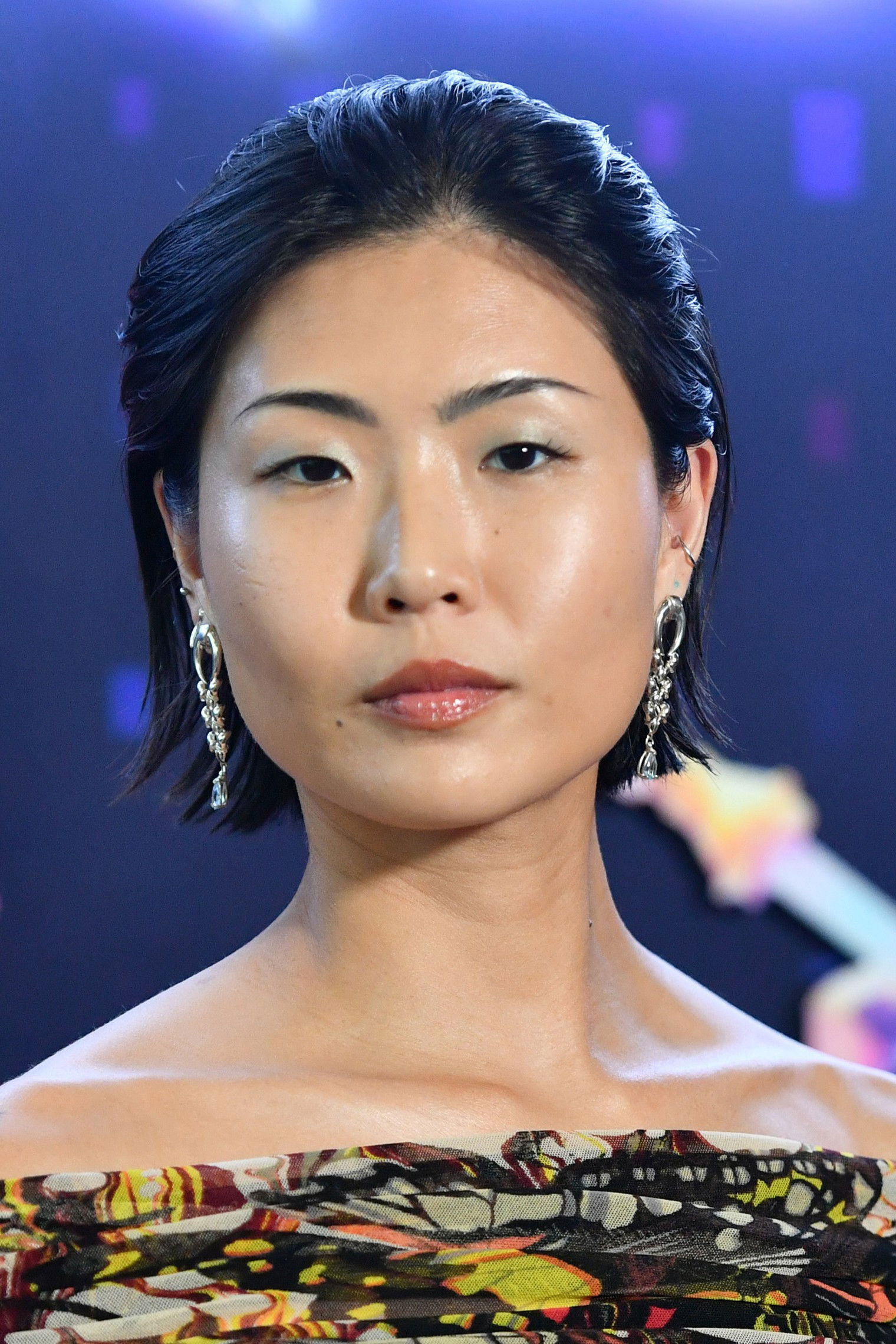
May Hong
Mira (voice)

Ji-young Yoo
Zoey (voice)

Ahn Hyo-seop
Jinu (voice)
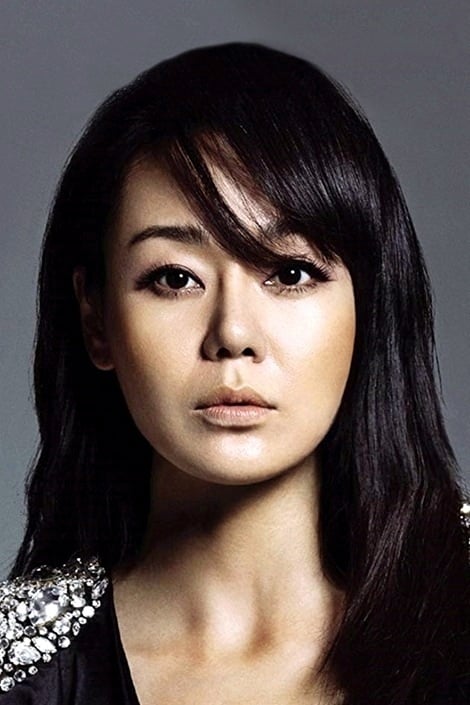
Yunjin Kim
Celine (voice)
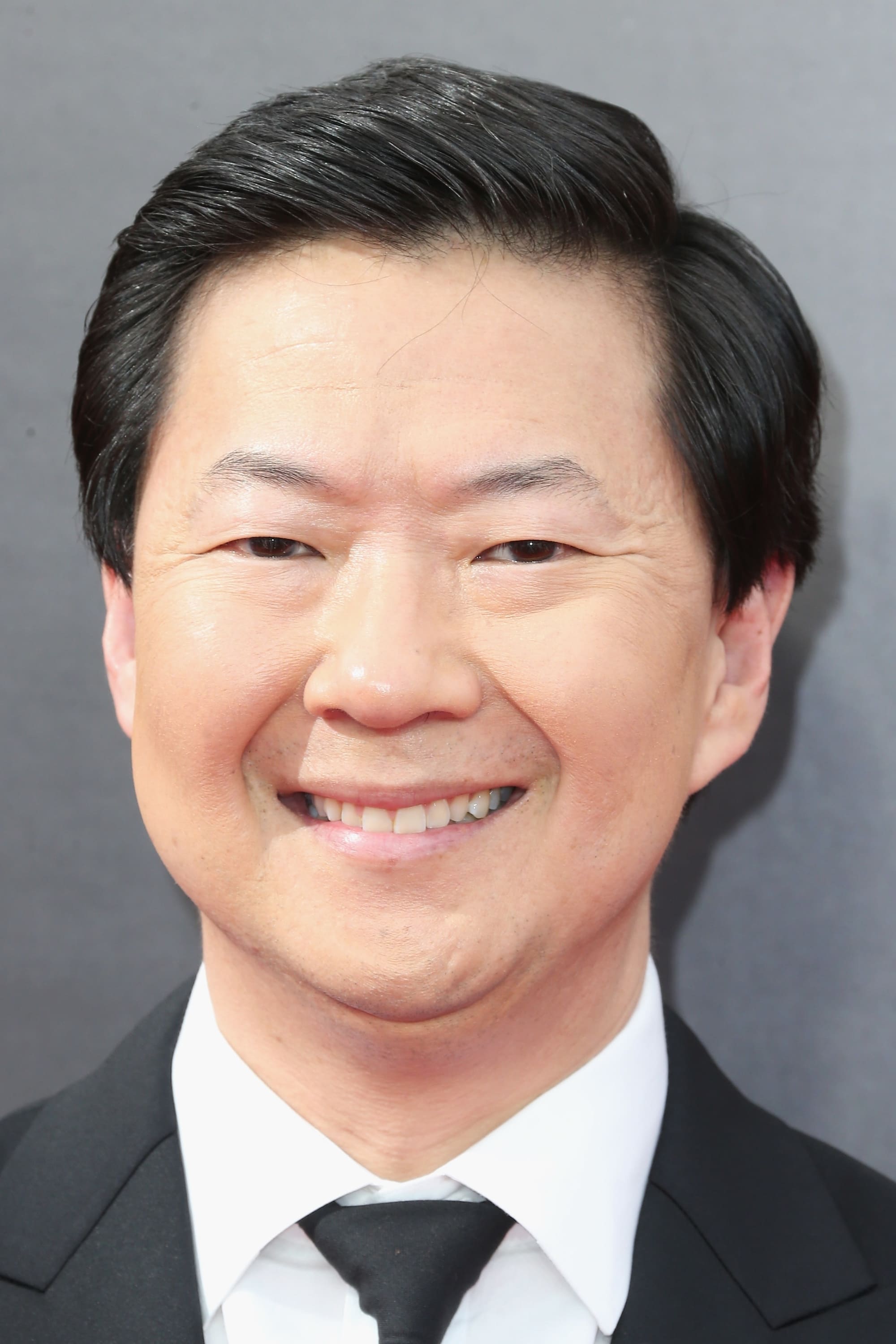
Ken Jeong
Bobby (voice)
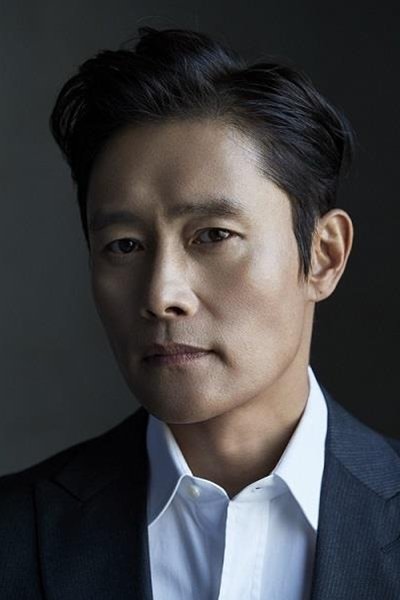
Lee Byung-hun
Gwi-Ma (voice)
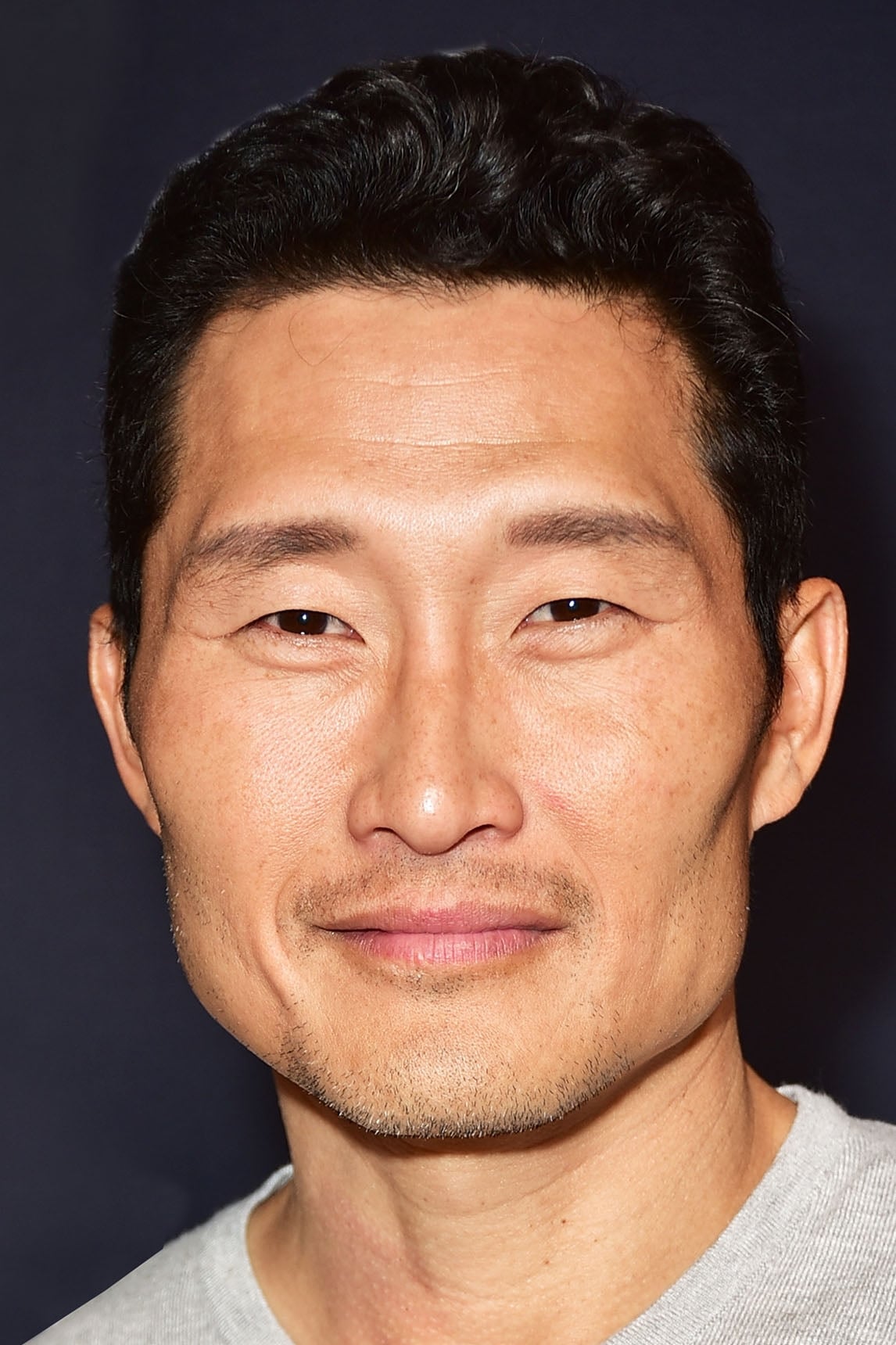
Daniel Dae Kim
Healer Han / Additional Voices (voice)
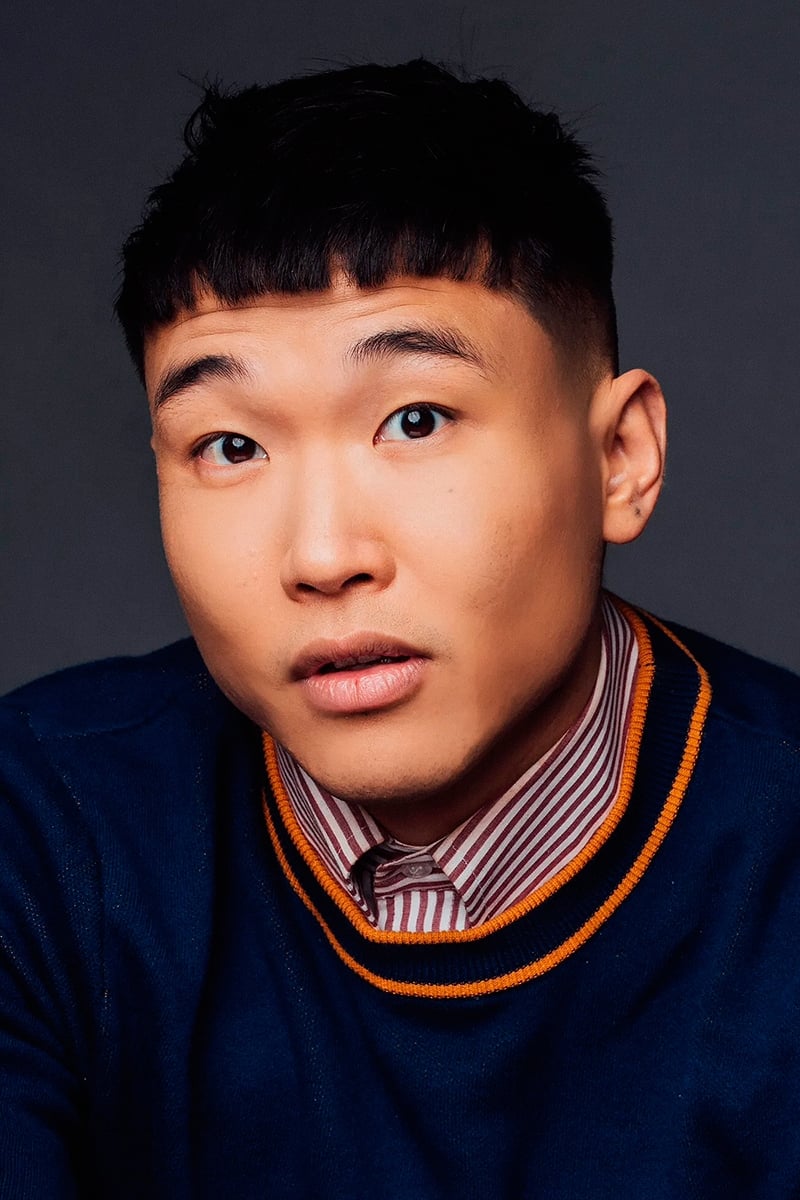
Joel Kim Booster
Variety Show Host 1 / Idol Host / Romance Saja (voice)
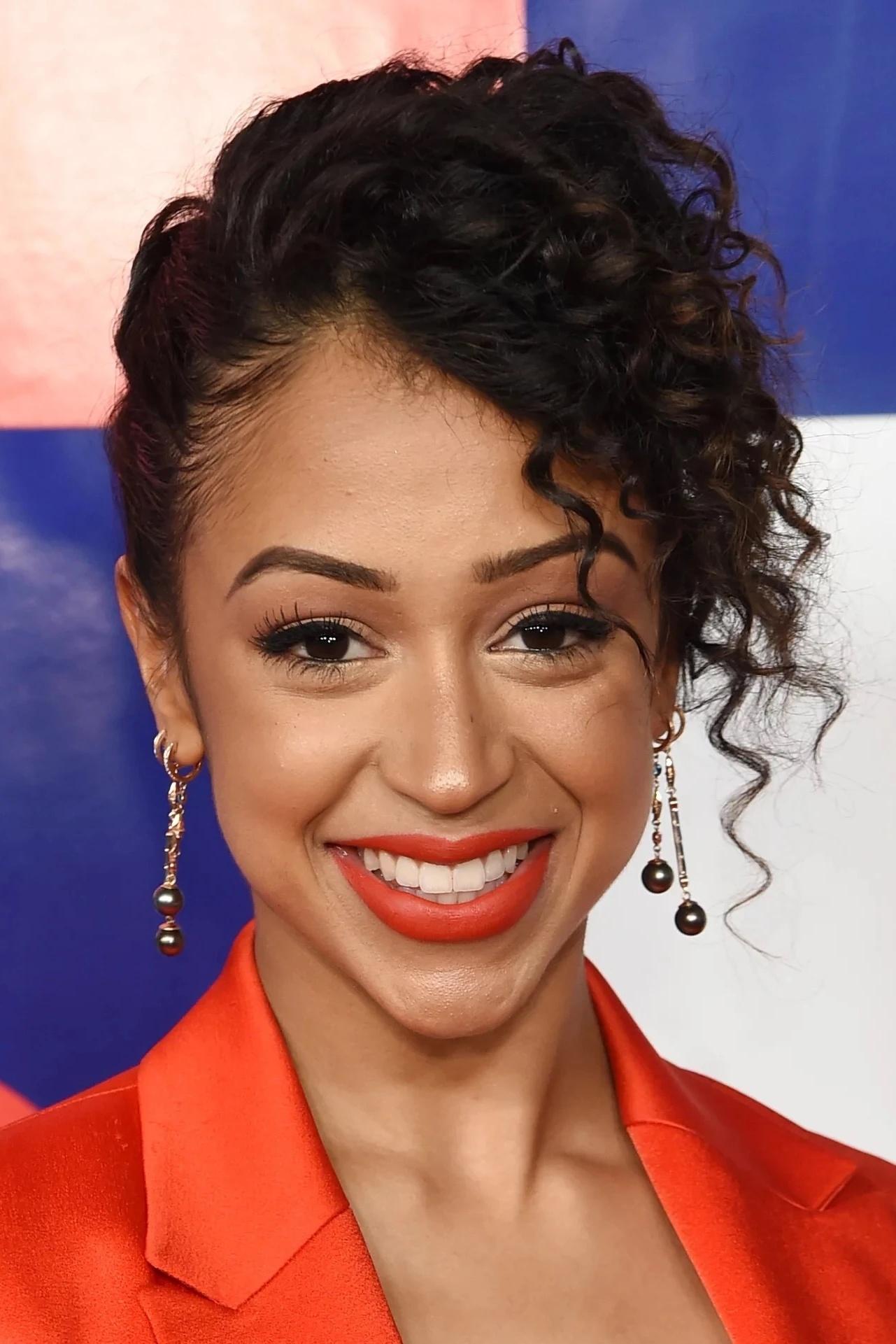
Liza Koshy
Host (voice)
No reviews yet
Be the first to share what you thought of KPop Demon Hunters.