
Fire Island
movie·R·Jun 3, 2022·
Fire Island
movie
R
June 3, 2022
Wokeometer Rating
9Woke
Scale: 0 = not woke, 10 = maximally woke
TL;DR Verdict
Fire Island builds its entire plot around heavy-handed progressive messaging on queer identity, class hierarchies, and community critiques, treating them as the core emotional drivers. At 9/10 woke, it's best avoided for anything beyond agenda-driven viewing.
Paid creator placementsFeature your article or video on this page
Detailed Analysis
Fire Island centers its entire premise on a group of queer Asian-American friends vacationing in the Fire Island Pines, a historic gay enclave, for a week of romance, hookups, and chosen-family drama.
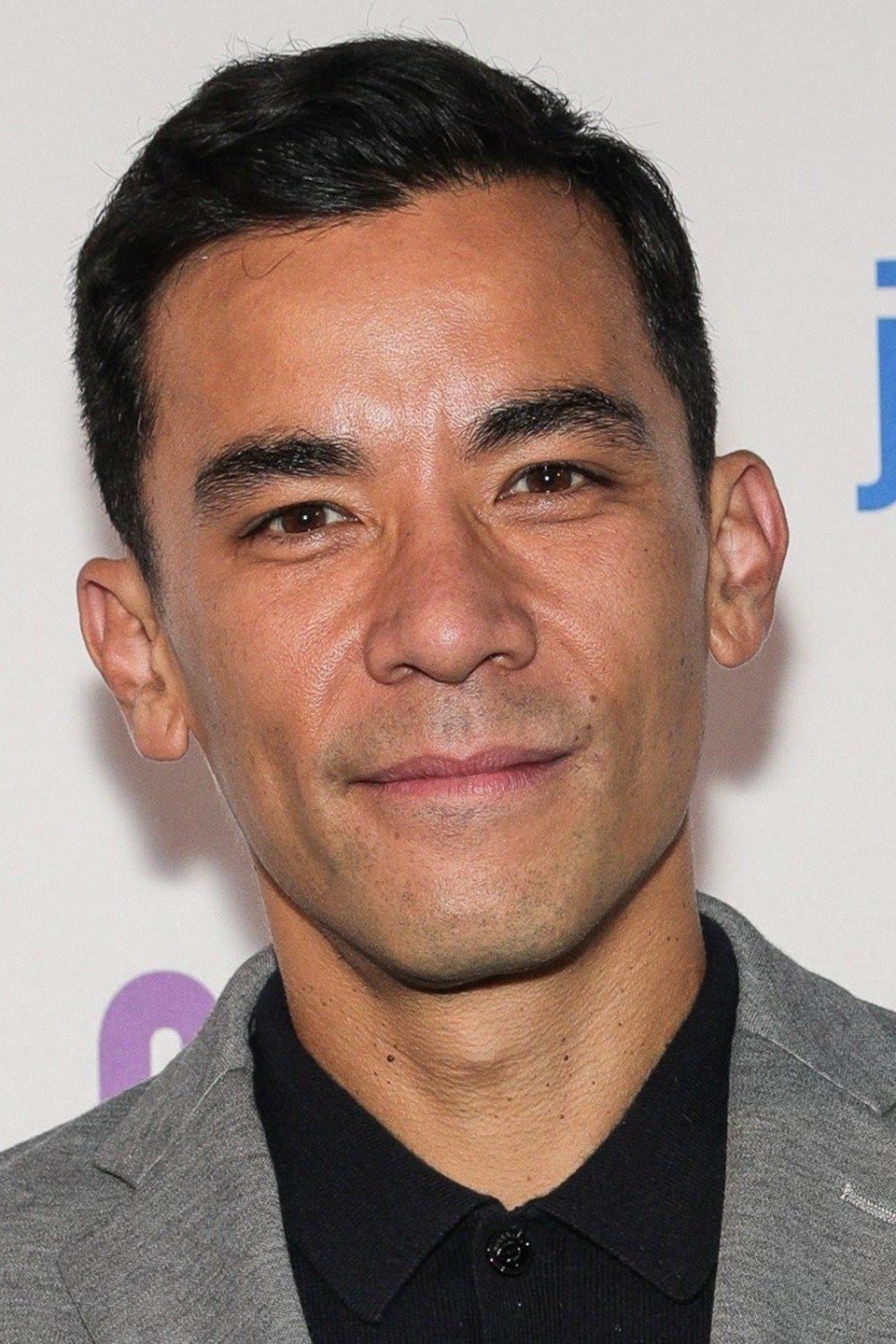
The plot explicitly reimagines Jane Austen's Pride and Prejudice with all main characters as gay men—Joel Kim Booster's Noah (Elizabeth Bennet analogue) and Bowen Yang's Howie (Jane Bennet) pursue relationships with Conrad Ricamora's Will and James Scully's Charlie amid class, race, and body-image tensions inside the queer community. Creator Joel Kim Booster stated he used the rom-com structure as a Trojan horse to address being gay and Asian in that setting, mapping Austen's class observations onto contemporary queer hierarchies of wealth, looks, and race.
The narrative foregrounds LGBTQ+ identity exploration, normalization of casual gay sex and relationships, and critiques of intra-community racism and classism as core emotional drivers rather than incidental background. Scenes involve explicit queer romance arcs, including same-sex kisses and hookups, with the story collapsing without its queer framing. Margaret Cho plays the group's matriarch figure Erin.
Reception highlighted its rarity as a mainstream studio rom-com with gay Asian leads, sparking minor Bechdel-test debate that underscored its deliberate focus on underrepresented queer male experiences. This matches high-centrality examples like Moonlight, where queer identity is the foundational premise.
Casting evidence: Casting research is incomplete or contains unresolved comparisons; overall casting fidelity has not been established. Documented credits include Joel Kim Booster as Noah; Bowen Yang as Howie.
Key Factors
- Core premise and plot revolve around queer/LGBTQ+ relationships and identity in a gay vacation setting
- Creator-stated intent to explore racism, classism, and Asian gay experiences via Austen adaptation
- Prominent normalization of gay romance, chosen family, and community dynamics as central themes
- All leads are gay Asian-American actors in mapped P&P roles with no source-character swaps
Methodology: Each score synthesizes audience discourse, critic and aggregator reception, and press coverage — weighed against the work itself, not any single source.
Pro BreakdownPro
Identity Politics & Racial Essentialism
Gender Ideology & LGBTQ+ Themes
DEI Casting & Representation Mandates
Preachiness & Message-First Agenda
Corporate & Creator Activism
See how this title scores across all 5 woke subcategories with detailed explanations.
Unlock with ProFrom $3/month · 3-day trial for $1
The Woke Report
A curated roundup of newly scored movies, shows, and games, with the context behind the scores. Free. Unsubscribe anytime.
Privacy policyDirected by
Is Fire Island Woke?
We've run a full content analysis on Fire Island and scored it 9/10 on the woke scale. Read our detailed breakdown above to see exactly what we found.
Frequently Asked Questions
What kind of woke content is in Fire Island?
Our analysis checks for themes like identity politics, race-swapping, gender ideology, environmental activism, anti-religious messaging, and other progressive agenda elements. The score breakdown above shows which specific categories were flagged and how heavily they factor into Fire Island's overall score.
Is Fire Island family-friendly?
Wokeometer focuses on ideological content rather than traditional ratings (violence, language, etc.). Fire Island is rated R. For a full picture, combine our woke analysis with the age rating to decide if it's right for your family.
How does Wokeometer score movies?
We evaluate media across multiple ideological categories on a 0–10 scale. Scores of 0–3 mean story-first, 4–6 have moderate elements, and 7–10 flag heavily agenda-driven content. Learn more about our methodology →