Shop this title
Shop this title
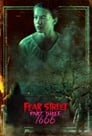
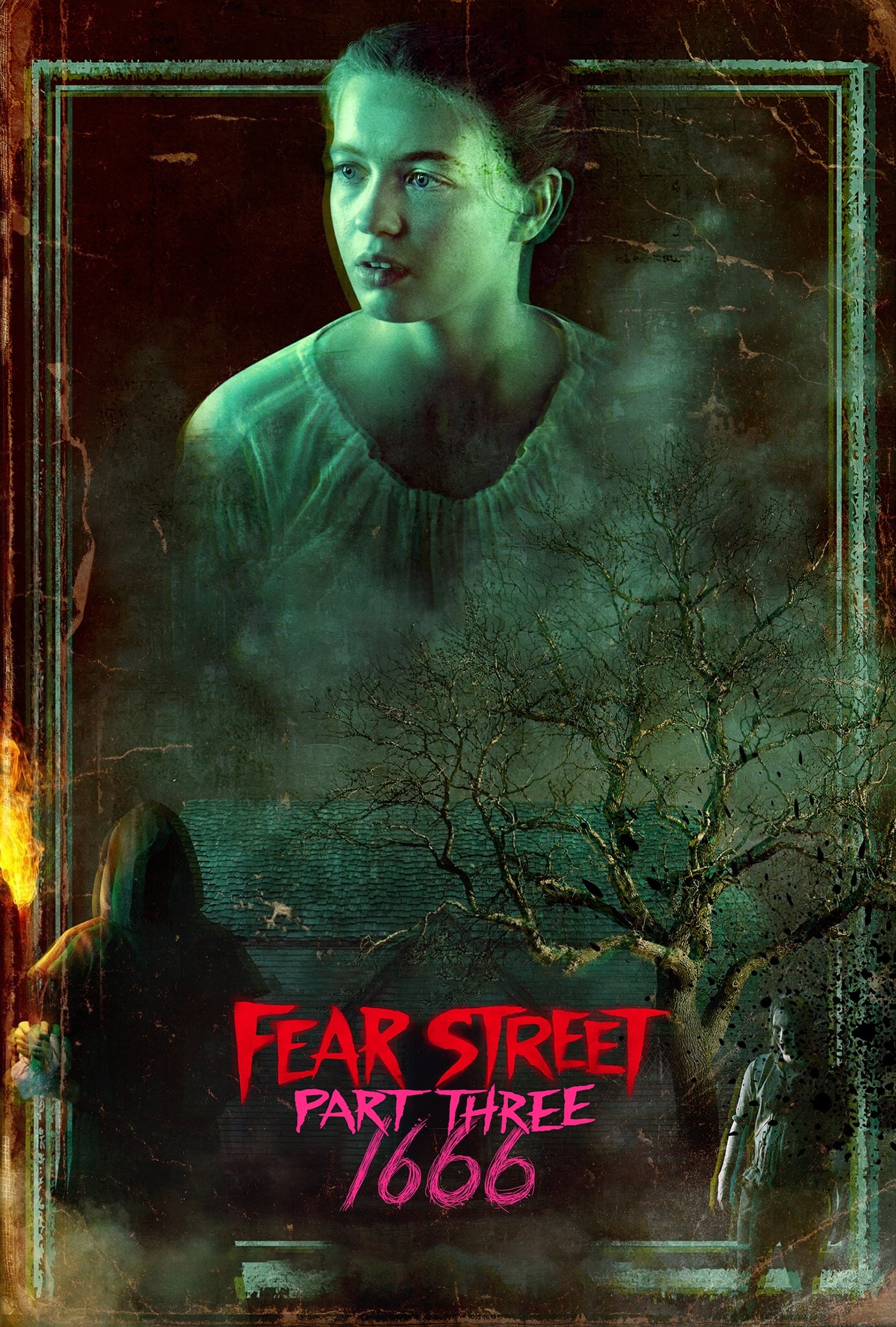
Fear Street: 1666
We may earn a commission from purchases through these links.
Search US stores by format. Check the title and edition before buying.
Explore Prime Video — Opens in a new tab
Catalog availability and subscription terms vary.
Fear Street: 1666
movie·R·Jul 16, 2021·
Shop
Shop this title
Fear Street: 1666
We may earn a commission from purchases through these links.
Search US stores by format. Check the title and edition before buying.
Explore Prime Video — Opens in a new tab
Catalog availability and subscription terms vary.
Fear Street: 1666
movie
R
July 16, 2021
Wokeometer Rating
9Woke
0/10
Scale: 0 = not woke, 10 = maximally woke
TL;DR Verdict
Fear Street: 1666 pushes a 9/10 woke agenda by blaming the curse on homophobia, misogyny, and patriarchal control rather than genuine evil. The entire plot hinges on centering queer romance and systemic oppression as the true villains, making it a heavy-handed lecture best avoided.
Paid creator placementsFeature your article or video on this page
Detailed Analysis
Fear Street: 1666 forms the origin story for the trilogy's curse, explicitly tying it to the persecution of Sarah Fier (Kiana Madeira) and Hannah Miller (Olivia Scott Welch) for their lesbian relationship in a 1666 colonial settlement.
The narrative frames the witch-hunt hysteria, crop failures, and ensuing violence as products of homophobia, misogyny, and patriarchal control rather than supernatural evil alone, with Solomon Goode (Ashley Zukerman) embodying white male entitlement that perpetuates the cycle. Director Leigh Janiak and co-writer Phil Graziadei designed the entire trilogy around queer leads as heroes who survive and triumph, subverting horror tropes where such characters traditionally die or serve as monsters; Janiak stated the intent was to center outsiders defined by sexuality, race, and class as the protagonists in a town of 'otherness.' This ideological framing is foundational: the 1666 segment's plot collapses without the modern activist lens on historical 'witch hunts' as targeting non-conforming women and queer desire.
The modern Deena-Sam romance (Madeira and Welch) parallels it directly, with Deena as a Black queer woman driving the story. Reception highlights the deliberate centering of LGBTQ+ representation and critiques of systemic oppression, aligning with creator statements emphasizing moving the needle on inclusion in horror.
Key Factors
- Queer romance between Sarah Fier/Hannah and Deena/Sam as the central emotional and plot driver across timelines
- Explicit creator intent (Janiak/Graziadei) to subvert horror tropes by making queer women of color the heroes and framing homophobia/patriarchy as the true curse
- 1666 segment reinterprets colonial witch-hunt as rooted in anti-queer and misogynistic persecution rather than organic historical or supernatural elements
Methodology: Each score synthesizes audience discourse, critic and aggregator reception, and press coverage — weighed against the work itself, not any single source.
Detailed BreakdownPro
Free Preview1 of 5 categories unlocked
Corporate & Creator Activism9
Director Leigh Janiak and co-writer statements emphasize designing the trilogy to center queer and marginalized protagonists to advance inclusion and move the needle on representation in horror.
Identity Politics & Racial Essentialism
Gender Ideology & LGBTQ+ Themes
DEI Casting & Representation Mandates
Preachiness & Message-First Agenda
Unlock the other 4 categories — including Identity Politics and Gender Ideology — with detailed explanations.
Unlock with ProFrom $3/month · 3-day trial for $1
The Woke Report
A curated roundup of newly scored movies, shows, and games, with the context behind the scores. Free. Unsubscribe anytime.
Privacy policyDirected by
Is Fear Street: 1666 Woke?
We've run a full content analysis on Fear Street: 1666 and scored it 9/10 on the woke scale. Read our detailed breakdown above to see exactly what we found.
Frequently Asked Questions
What kind of woke content is in Fear Street: 1666?
Our analysis checks for themes like identity politics, race-swapping, gender ideology, environmental activism, anti-religious messaging, and other progressive agenda elements. The score breakdown above shows which specific categories were flagged and how heavily they factor into Fear Street: 1666's overall score.
Is Fear Street: 1666 family-friendly?
Wokeometer focuses on ideological content rather than traditional ratings (violence, language, etc.). Fear Street: 1666 is rated R. For a full picture, combine our woke analysis with the age rating to decide if it's right for your family.
How does Wokeometer score movies?
We evaluate media across multiple ideological categories on a 0–10 scale. Scores of 0–3 mean story-first, 4–6 have moderate elements, and 7–10 flag heavily agenda-driven content. Learn more about our methodology →