Eureka
movie·19·May 4, 2001·
Eureka
movie
19
May 4, 2001
Wokeometer Rating
0Based
Scale: 0 = not woke, 10 = maximally woke
TL;DR Verdict
Eureka scores 0/10 for wokeness by delivering a pure character study of trauma and healing through a rural Japanese road trip, with zero identity politics or social justice framing. It follows traditional dramatic storytelling drawn from real events, keeping every role and theme grounded in individual resilience instead of ideological messaging.
Paid creator placementsFeature your article or video on this page
Detailed Analysis
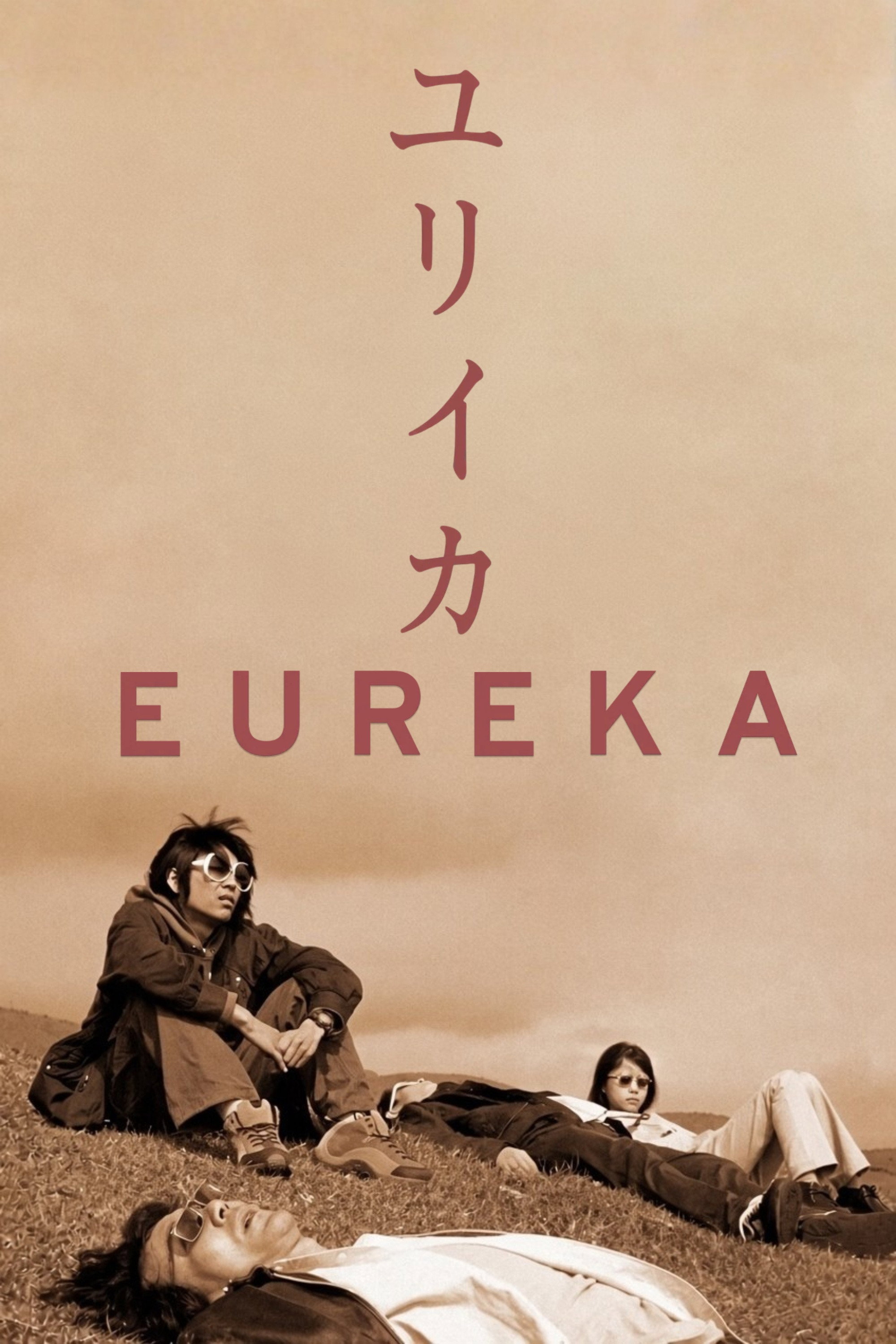
Eureka (2000) is a Japanese drama centered on the psychological aftermath of a bus hijacking in rural Kyushu.
The three survivors—bus driver Makoto Sawai and siblings Naoki and Kozue Tamura—grapple with trauma, emotional paralysis, and gradual healing through an extended road trip in a converted bus. The narrative draws from classic influences like John Ford's The Searchers, emphasizing personal redemption, survivor guilt, and human connection without any overlay of identity politics or social justice framing.
Casting adheres strictly to the story's Japanese setting and character requirements, with Koji Yakusho as the adult male driver, real-life siblings Aoi and Masaru Miyazaki as the teenage brother and sister, and other Japanese performers in supporting roles. No established characters are altered by race, gender, or other ideological criteria; all portrayals align with the original 2001 film's premise of ordinary people confronting violence and loss.
Creator Shinji Aoyama drew inspiration from real Japanese events like the 1995 sarin attack and broader studies of trauma, but the film remains a character-driven exploration of emotional recovery and societal disconnection in post-millennium Japan. Reception highlights its meditative style and depth on universal themes of healing, with no discourse around progressive messaging, DEI mandates, or cultural revisionism. The work prioritizes traditional dramatic storytelling focused on individual and familial resilience.
Key Factors
- Traditional trauma and healing narrative with no identity politics
- Authentic Japanese casting matching original characters and setting
- Director intent focused on personal/societal trauma from real events like sarin attack, not activism
- Critical acclaim for emotional depth without ideological controversy
Methodology: Each score synthesizes audience discourse, critic and aggregator reception, and press coverage — weighed against the work itself, not any single source.
Pro BreakdownPro
Identity Politics & Racial Essentialism
Gender Ideology & LGBTQ+ Themes
DEI Casting & Representation Mandates
Preachiness & Message-First Agenda
Corporate & Creator Activism
See how this title scores across all 5 woke subcategories with detailed explanations.
Unlock with ProFrom $3/month · 3-day trial for $1
The Woke Report
A curated roundup of newly scored movies, shows, and games, with the context behind the scores. Free. Unsubscribe anytime.
Privacy policyDirected by
Is Eureka Woke?
We've run a full content analysis on Eureka and scored it 0/10 on the woke scale. Read our detailed breakdown above to see exactly what we found.
Frequently Asked Questions
What kind of woke content is in Eureka?
Our analysis checks for themes like identity politics, race-swapping, gender ideology, environmental activism, anti-religious messaging, and other progressive agenda elements. The score breakdown above shows which specific categories were flagged and how heavily they factor into Eureka's overall score.
Is Eureka family-friendly?
Wokeometer focuses on ideological content rather than traditional ratings (violence, language, etc.). Eureka is rated 19. For a full picture, combine our woke analysis with the age rating to decide if it's right for your family.
How does Wokeometer score movies?
We evaluate media across multiple ideological categories on a 0–10 scale. Scores of 0–3 mean story-first, 4–6 have moderate elements, and 7–10 flag heavily agenda-driven content. Learn more about our methodology →