Do the Right Thing: 20 Years Later
movie·Jun 30, 2009·
Do the Right Thing: 20 Years Later
movie
June 30, 2009
Wokeometer Rating
8Woke
Scale: 0 = not woke, 10 = maximally woke
TL;DR Verdict
This 2009 documentary revives the original film's activist focus on racial tensions, police brutality, and protest violence as foundational messaging rather than incidental themes. Skip it if you want to avoid overt progressive ideology scored at 8/10.
Paid creator placementsFeature your article or video on this page
Detailed Analysis
The 2009 documentary centers entirely on Spike Lee's 1989 film, whose premise revolves around racial tensions, police brutality against Black characters like Radio Raheem, inter-ethnic conflicts in a Black neighborhood, and demands for representation such as Buggin' Out's protest over the 'Wall of Fame' at Sal's Pizzeria.
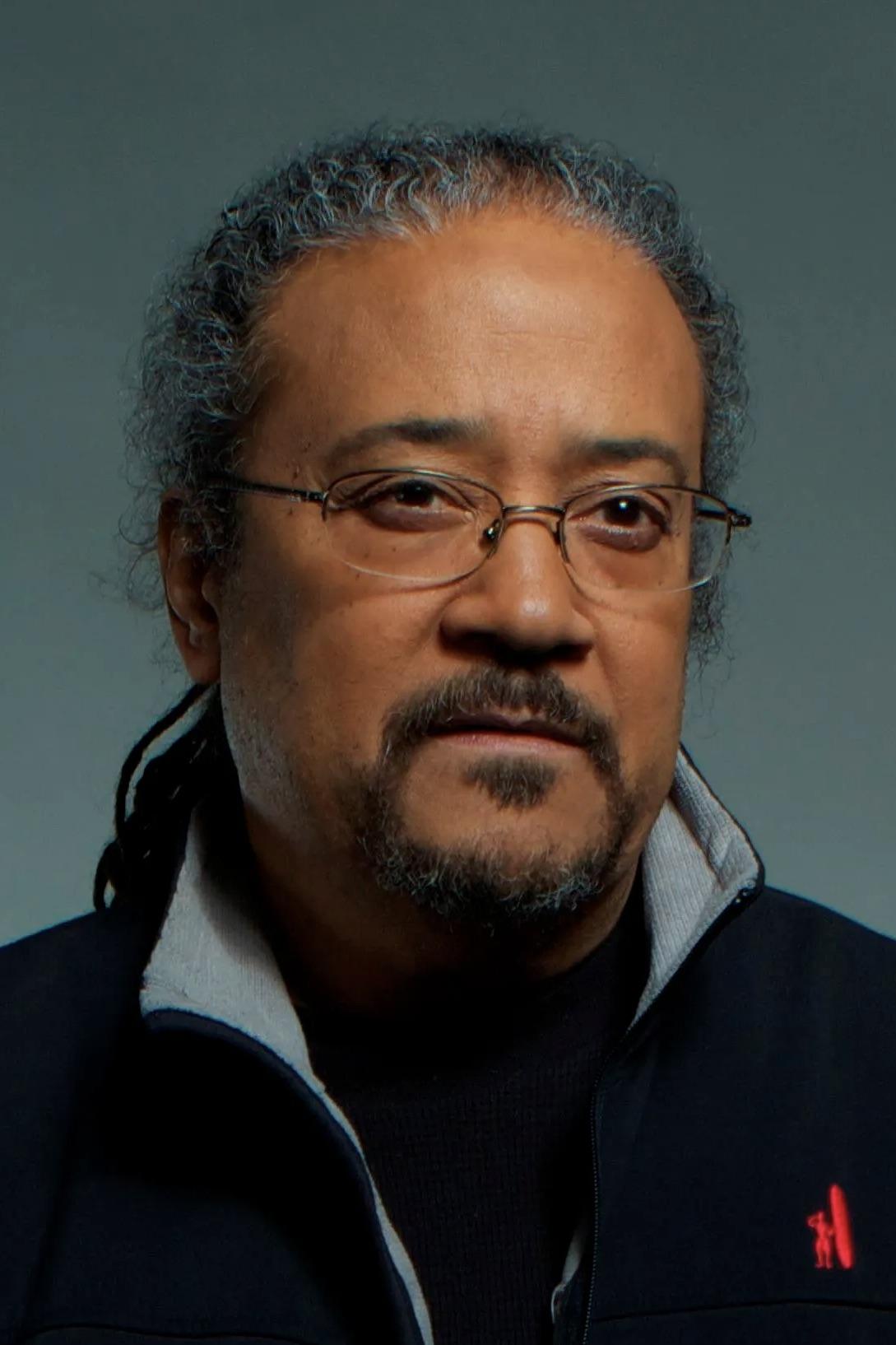
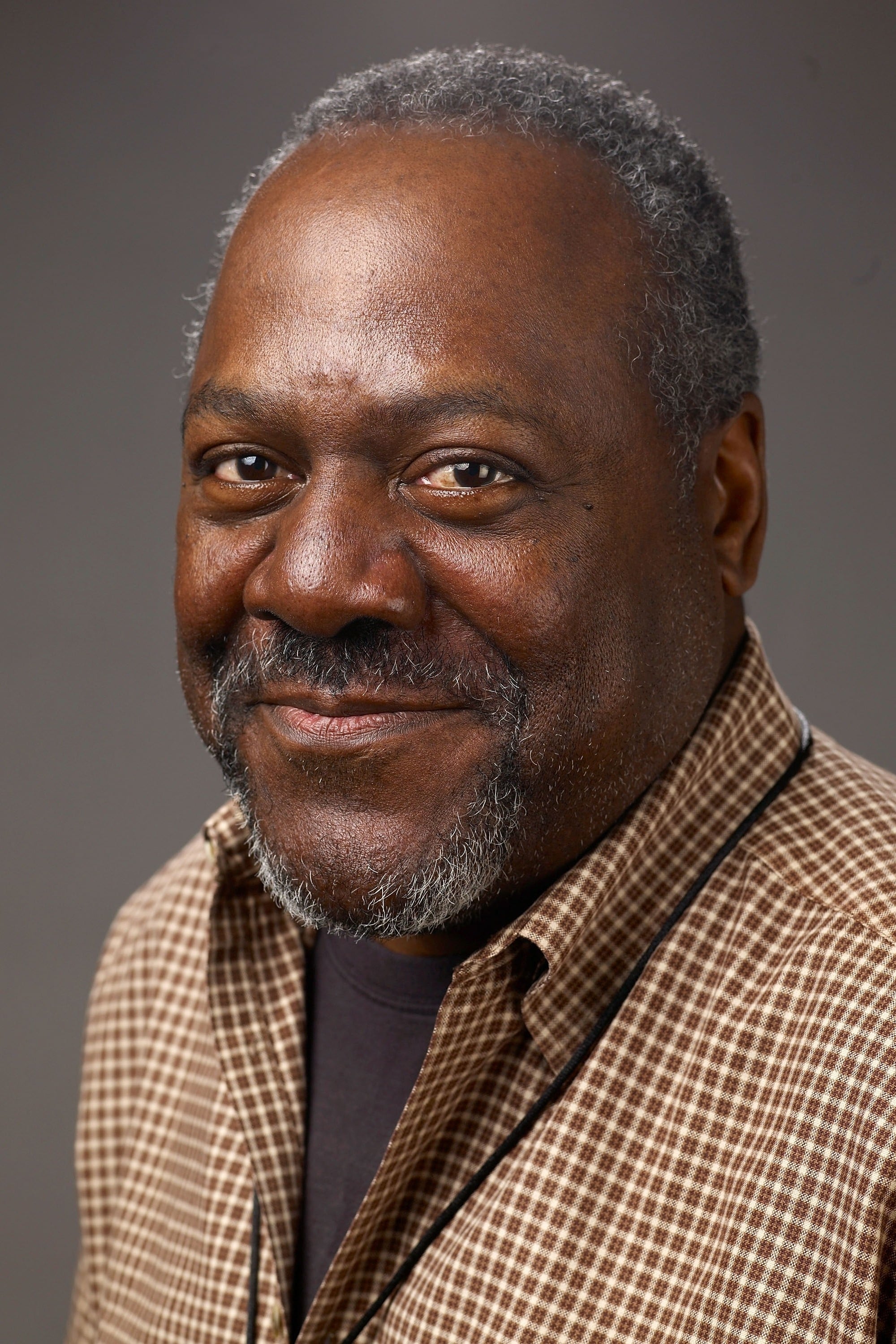
Interviews with cast and crew, including John Turturro reflecting on his racist character Pino and Ernest Dickerson on visual techniques amplifying heat and conflict, explicitly revisit these themes of systemic oppression, power imbalances, and the moral ambiguity of protest violence, framed by quotes from Martin Luther King and Malcolm X.
Creator intent is activist: Lee has repeatedly emphasized the film's dedication to real victims of police violence and its critique of white critics' focus on property damage over Black death. The documentary extends this by discussing the film's ongoing relevance to race relations, with no dilution or traditional entertainment framing.
Casting involves no departures or swaps; all participants reprise their original roles as interviewees. Audience reception highlights the work's enduring status as a touchstone for progressive social commentary, with no evidence of incidental diversity or organic elements overriding the ideological core. The documentary's structure makes progressive messaging foundational rather than incidental.
Casting evidence: Casting research is incomplete or contains unresolved comparisons; overall casting fidelity has not been established. The casting comparison for Ernest R. Dickerson as Self remains unresolved. The casting comparison for John Turturro as Self remains unresolved.
Key Factors
- Core premise and interviews center on racial identity politics, police brutality, and critiques of white-owned businesses in Black communities from the original film
- Creator statements and reflections reinforce activist framing of systemic issues and representation demands
- No traditional storytelling dilution; documentary format amplifies the 1989 film's ideological themes without new narrative elements
Methodology: Each score synthesizes audience discourse, critic and aggregator reception, and press coverage — weighed against the work itself, not any single source.
Pro BreakdownPro
Identity Politics & Racial Essentialism
Gender Ideology & LGBTQ+ Themes
DEI Casting & Representation Mandates
Preachiness & Message-First Agenda
Corporate & Creator Activism
See how this title scores across all 5 woke subcategories with detailed explanations.
Unlock with ProFrom $3/month · 3-day trial for $1
The Woke Report
A curated roundup of newly scored movies, shows, and games, with the context behind the scores. Free. Unsubscribe anytime.
Privacy policyDirected by
Is Do the Right Thing: 20 Years Later Woke?
We've run a full content analysis on Do the Right Thing: 20 Years Later and scored it 8/10 on the woke scale. Read our detailed breakdown above to see exactly what we found.
Frequently Asked Questions
What kind of woke content is in Do the Right Thing: 20 Years Later?
Our analysis checks for themes like identity politics, race-swapping, gender ideology, environmental activism, anti-religious messaging, and other progressive agenda elements. The score breakdown above shows which specific categories were flagged and how heavily they factor into Do the Right Thing: 20 Years Later's overall score.
Is Do the Right Thing: 20 Years Later family-friendly?
Wokeometer focuses on ideological content rather than traditional ratings (violence, language, etc.). For a full picture, combine our woke analysis with the official content rating to decide if it's right for your family.
How does Wokeometer score movies?
We evaluate media across multiple ideological categories on a 0–10 scale. Scores of 0–3 mean story-first, 4–6 have moderate elements, and 7–10 flag heavily agenda-driven content. Learn more about our methodology →