Shop this title
Detroit
We may earn a commission from purchases through these links.
Search US stores by format. Check the title and edition before buying.
Catalog availability and subscription terms vary.
Detroit centers on the Algiers Motel incident and police impunity during the 1967 riots, with clear parallels to current tensions that some find preachy. This delivers a balanced but pointed social message, landing at a moderate 6/10.
We've run a full content analysis on Detroit and scored it 6/10 on the woke scale. Read our detailed breakdown above to see exactly what we found.
Our analysis checks for themes like identity politics, race-swapping, gender ideology, environmental activism, anti-religious messaging, and other progressive agenda elements. The score breakdown above shows which specific categories were flagged and how heavily they factor into Detroit's overall score.
Wokeometer focuses on ideological content rather than traditional ratings (violence, language, etc.). Detroit is rated R. For a full picture, combine our woke analysis with the age rating to decide if it's right for your family.
We evaluate media across multiple ideological categories on a 0–10 scale. Scores of 0–3 mean story-first, 4–6 have moderate elements, and 7–10 flag heavily agenda-driven content. Learn more about our methodology →
The 2017 film Detroit centers its narrative on the Algiers Motel incident during the 1967 Detroit riots, depicting white police officers (led by Will Poulter's character Krauss) terrorizing and killing Black civilians through beatings, mock executions, and murder, with the all-white jury ultimately acquitting the officers.
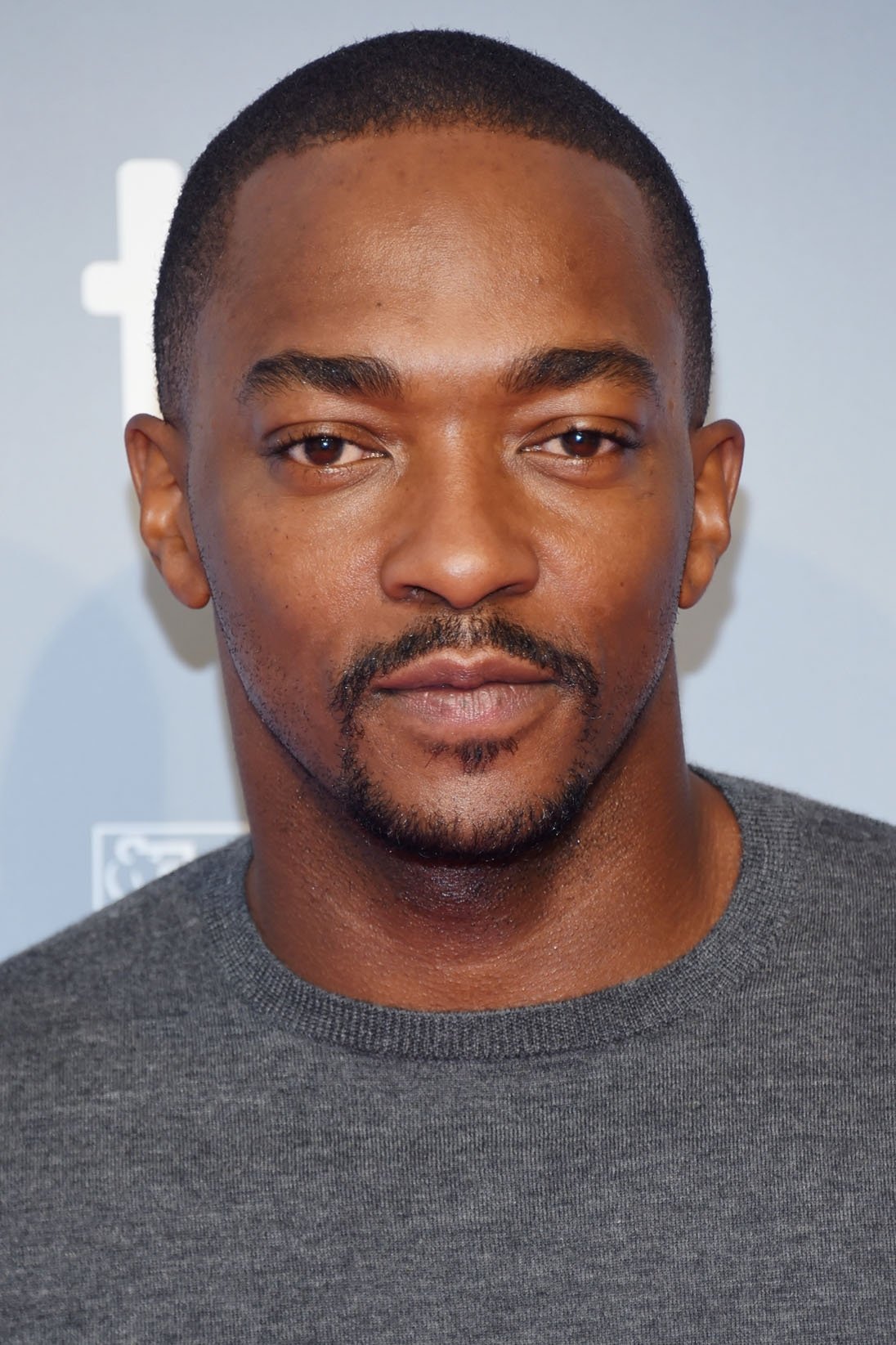
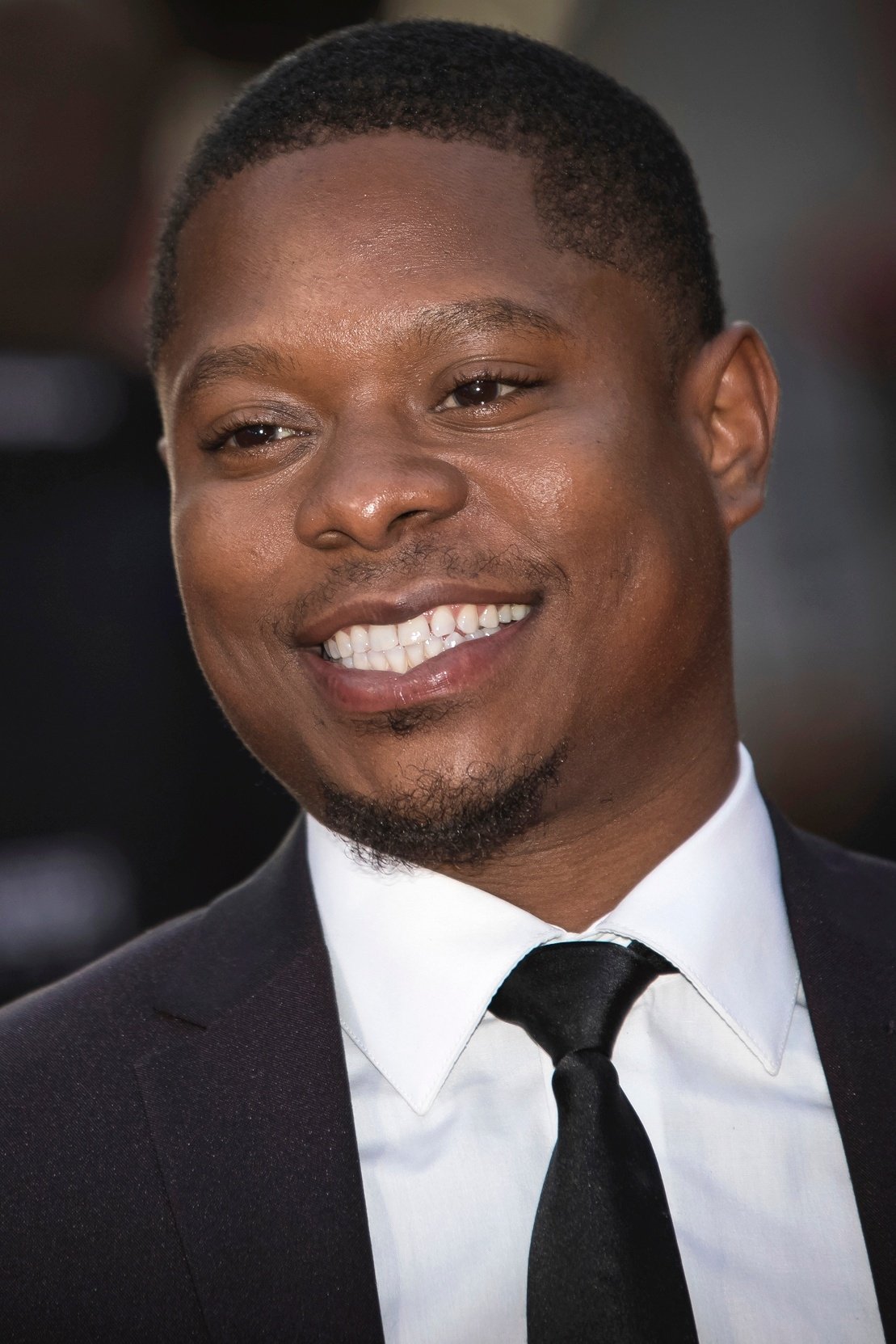
This systemic oppression and police impunity narrative drives the entire plot, character arcs, and emotional core, explicitly drawing parallels to contemporary racial tensions as intended by director Kathryn Bigelow and screenwriter Mark Boal. The ensemble cast features Black actors like John Boyega (as security guard Melvin Dismukes), Algee Smith (as singer Larry Reed), Anthony Mackie, and Jason Mitchell in prominent victim and witness roles alongside white antagonists, reflecting the historical setting without source-material swaps. Some critics and audiences noted the white creative team's focus on Black trauma as feeling like liberal messaging or bait, contributing to its box-office underperformance and polarized reception labeling it preachy or one-sided on race.
Methodology: Each score synthesizes audience discourse, critic and aggregator reception, and press coverage — weighed against the work itself, not any single source.
See how this title scores across all 5 woke subcategories with detailed explanations.
Unlock with ProFrom $3/month · 3-day trial for $1
A curated roundup of newly scored movies, shows, and games, with the context behind the scores. Free. Unsubscribe anytime.
Privacy policyAn excess of caricature-like characters and walking stereotypes, the real reason for anything is never explained
Similar titles you might enjoy
Browse Wokeometer by service