Box Office
Hit · 11.7xBudget$20K
Worldwide Gross$234.8K
Cure
movie·15·Dec 27, 1997·
Box OfficeHit · 11.7x
$20K
Budget
$234.8K
Gross
Cure
movie
15
December 27, 1997
Wokeometer Rating
0Based
Scale: 0 = not woke, 10 = maximally woke
TL;DR Verdict
Cure scores 0/10 for woke content because it centers existential themes of identity and repressed violence through traditional Japanese casting and clinical storytelling with zero identity politics, gender swaps, or activist messaging.
Paid creator placementsFeature your article or video on this page
Detailed Analysis
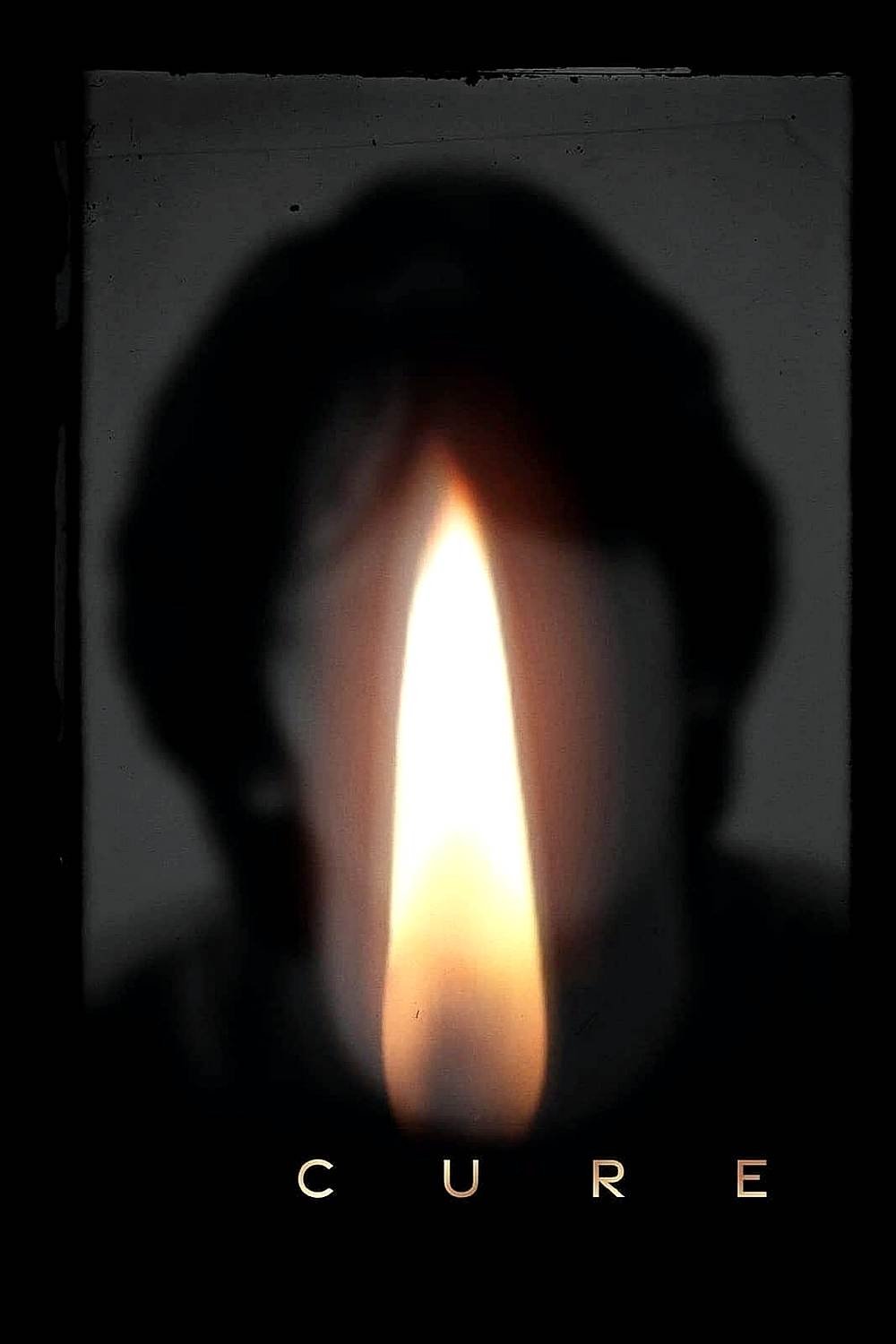
Cure (1997) is a Japanese psychological horror film centered on detective Kenichi Takabe investigating a series of murders where ordinary people commit killings under hypnotic influence from Kunio Mamiya, who uses repetitive sounds and flames to strip away social restraints and unleash repressed violence.
The narrative explores themes of identity, memory, and the human capacity for brutality in modern society through clinical, elliptical storytelling without any framing around systemic oppression, identity politics, or critiques of traditional norms.
Casting features Japanese actors in Japanese roles with no departures from established character genders, races, or backgrounds: Koji Yakusho plays the male detective Takabe, Masato Hagiwara the male hypnotist Mamiya, and supporting performers like Anna Nakagawa as Takabe's wife fill traditional parts in a 1997 production predating contemporary DEI mandates. No LGBTQ+ representation, gender-swapped characters, or affirmative identity portrayals appear.
Creator Kiyoshi Kurosawa focuses on existential questions of selfhood and repressed impulses, with the title referencing a 'cure' for societal constraints via hypnosis rather than any activist messaging. Reception highlights its atmospheric tension and social commentary on alienation, but contains zero evidence of progressive ideological influence, audience backlash over 'woke' elements, or creator statements emphasizing inclusion or challenging norms.
Key Factors
- Traditional Japanese casting with no identity-based changes to characters
- Core premise revolves around hypnosis, repressed violence, and identity without social justice framing
- 1997 release predates modern progressive media trends; no DEI, LGBTQ+, or patriarchal critique elements
- Psychological horror themes focus on universal human darkness, not identity politics or systemic narratives
Methodology: Each score synthesizes audience discourse, critic and aggregator reception, and press coverage — weighed against the work itself, not any single source.
Pro BreakdownPro
Identity Politics & Racial Essentialism
Gender Ideology & LGBTQ+ Themes
DEI Casting & Representation Mandates
Preachiness & Message-First Agenda
Corporate & Creator Activism
See how this title scores across all 5 woke subcategories with detailed explanations.
Unlock with ProFrom $3/month · 3-day trial for $1
The Woke Report
A curated roundup of newly scored movies, shows, and games, with the context behind the scores. Free. Unsubscribe anytime.
Privacy policyDirected by
Is Cure Woke?
We've run a full content analysis on Cure and scored it 0/10 on the woke scale. Read our detailed breakdown above to see exactly what we found.
Frequently Asked Questions
What kind of woke content is in Cure?
Our analysis checks for themes like identity politics, race-swapping, gender ideology, environmental activism, anti-religious messaging, and other progressive agenda elements. The score breakdown above shows which specific categories were flagged and how heavily they factor into Cure's overall score.
Is Cure family-friendly?
Wokeometer focuses on ideological content rather than traditional ratings (violence, language, etc.). Cure is rated 15. For a full picture, combine our woke analysis with the age rating to decide if it's right for your family.
How does Wokeometer score movies?
We evaluate media across multiple ideological categories on a 0–10 scale. Scores of 0–3 mean story-first, 4–6 have moderate elements, and 7–10 flag heavily agenda-driven content. Learn more about our methodology →