Shop this title
Shop this title
Close
We may earn a commission from purchases through these links.
Search US stores by format. Check the title and edition before buying.
Explore Prime Video — Opens in a new tab
Catalog availability and subscription terms vary.
Close
movie·PG-13·Jan 27, 2023·
Shop
Shop this title
Close
We may earn a commission from purchases through these links.
Search US stores by format. Check the title and edition before buying.
Explore Prime Video — Opens in a new tab
Catalog availability and subscription terms vary.
Close
movie
PG-13
January 27, 2023
Wokeometer Rating
8Woke
0/10
Scale: 0 = not woke, 10 = maximally woke
TL;DR Verdict
Close scores a high 8/10 woke for embedding progressive lectures on toxic masculinity and homophobia—boys' friendship crumbles into suicide under macho norms—making it manipulative activism best skipped for real drama.
Paid creator placementsFeature your article or video on this page
Detailed Analysis
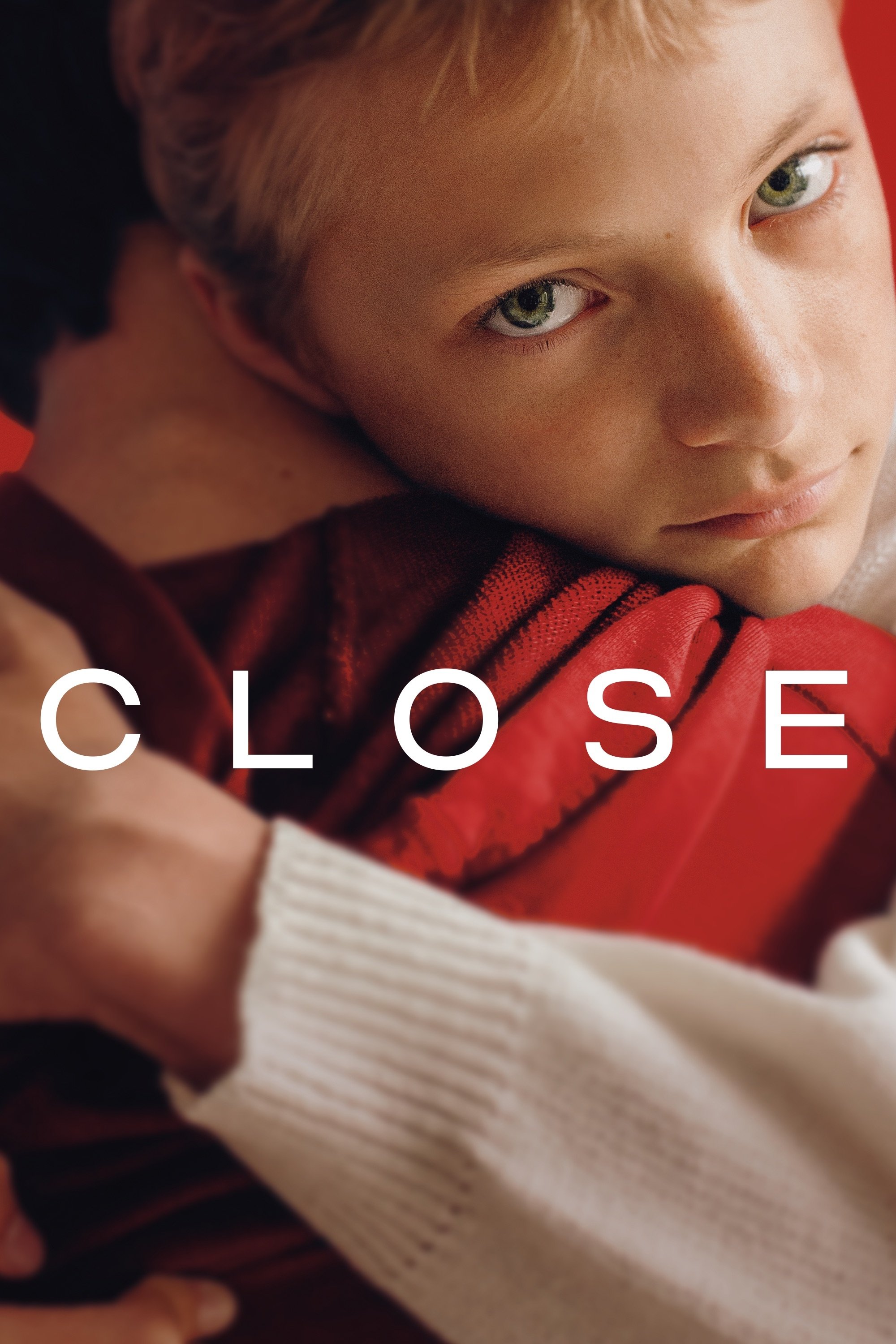
Close embeds progressive ideology deeply into its core premise and emotional drivers, centering the entire narrative on two 13-year-old boys whose innocent friendship collapses under schoolyard speculation of homosexuality, homophobic bullying, and one boy's desperate conformity to macho norms like ice hockey to escape the 'gay' label, culminating in suicide.
This ideological framing—toxic masculinity, societal policing of male intimacy, and the destructive pressures of traditional gender expectations—forms the foundational conflict, without which the story evaporates. Director Lukas Dhont, fresh off his controversial trans teen film Girl, explicitly draws from research on boys' 'crisis of connection' to indict how society 'murders' tender male bonds through labeling and emotional suppression, aiming to provoke conversations on an 'epidemic of masculine loneliness' and the need for vulnerability over stoicism.
While executed as a tearjerker drama with acclaimed young performances, the manipulative midway tragedy serves the message above organic storytelling, turning a simple friendship tale into a cautionary lecture on homophobia and rigid norms that alienates viewers seeking unburdened entertainment. Absent the progressive critique of patriarchy-adjacent masculinity, the film loses its tragic propulsion, compromising its appeal with heavy-handed identity scrutiny that prioritizes activism over pure emotional resonance. No DEI casting issues mar the all-white Belgian production, but the queer-coded focus and creator's norm-challenging intent cement its ideological centrality, especially risky for impressionable teen viewers absorbing these narratives of systemic emotional oppression.
Methodology: Each score synthesizes audience discourse, critic and aggregator reception, and press coverage — weighed against the work itself, not any single source.
Detailed BreakdownPro
Identity Politics & Racial Essentialism
Gender Ideology & LGBTQ+ Themes
DEI Casting & Representation Mandates
Preachiness & Message-First Agenda
Corporate & Creator Activism
See how this title scores across all 5 woke subcategories with detailed explanations.
Unlock with ProFrom $3/month · 3-day trial for $1
The Woke Report
A curated roundup of newly scored movies, shows, and games, with the context behind the scores. Free. Unsubscribe anytime.
Privacy policyDirected by
Is Close Woke?
We've run a full content analysis on Close and scored it 8/10 on the woke scale. Read our detailed breakdown above to see exactly what we found.
Frequently Asked Questions
What kind of woke content is in Close?
Our analysis checks for themes like identity politics, race-swapping, gender ideology, environmental activism, anti-religious messaging, and other progressive agenda elements. The score breakdown above shows which specific categories were flagged and how heavily they factor into Close's overall score.
Is Close family-friendly?
Wokeometer focuses on ideological content rather than traditional ratings (violence, language, etc.). Close is rated PG-13. For a full picture, combine our woke analysis with the age rating to decide if it's right for your family.
How does Wokeometer score movies?
We evaluate media across multiple ideological categories on a 0–10 scale. Scores of 0–3 mean story-first, 4–6 have moderate elements, and 7–10 flag heavily agenda-driven content. Learn more about our methodology →