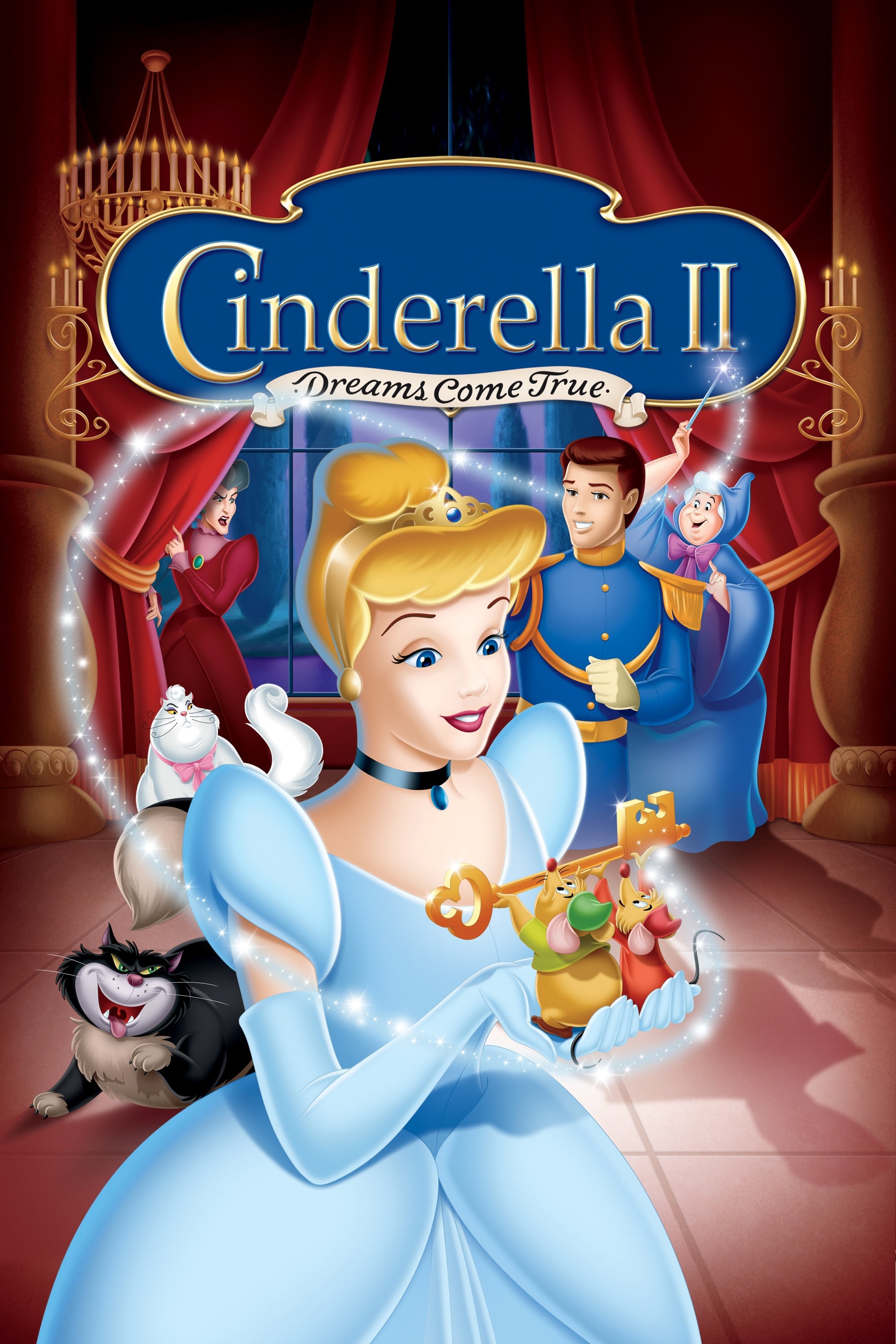
Cinderella II: Dreams Come True
movie·G·Feb 23, 2002·
Cinderella II: Dreams Come True
movie
G
February 23, 2002
Wokeometer Rating
2Based
Scale: 0 = not woke, 10 = maximally woke
TL;DR Verdict
Cinderella II sticks to classic fairy-tale stories of self-discovery, kindness, and following your heart with no activist framing or identity politics. This keeps it safe, neutral family entertainment at a 2/10 woke score.
Paid creator placementsFeature your article or video on this page
Detailed Analysis
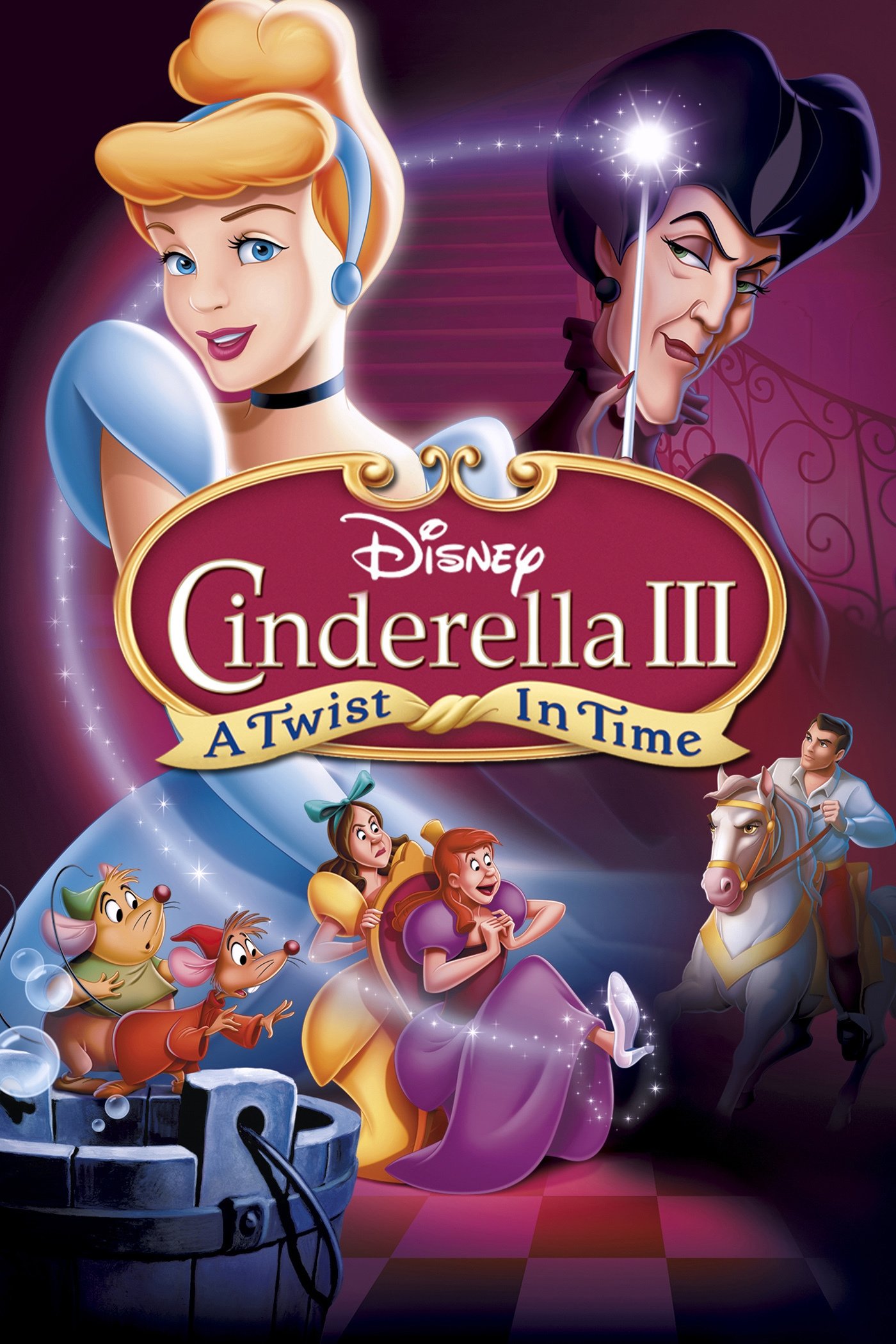
Cinderella II: Dreams Come True is a 2002 direct-to-video anthology of three light fairy-tale segments continuing the 1950 original.
The core premise revolves around Cinderella adjusting to palace life by organizing a party her own way and inviting commoners, Jaq the mouse learning self-acceptance after a temporary human transformation, and Anastasia finding love with a baker while Cinderella aids her redemption. These are classic storytelling tropes of self-discovery, forgiveness, and following one's heart, not activist framing.
No established characters receive race, gender, or sexuality changes. Voice casting uses new performers for the sequel due to the passage of time, with all roles retaining original genders and no cross-sex performances. Themes of challenging rigid traditions or class barriers appear only as organic fairy-tale elements, not critiques of systemic oppression or identity politics. Creator statements and production notes describe a quick, budget-driven project aimed at entertainment and extending the franchise, with no activist intent.
Reception focused on animation quality and story cohesion rather than ideology; searches yield no contemporary "woke" discourse or backlash. The film aligns with traditional Disney family animation emphasizing timeless morals like authenticity and kindness. Minor self-expression elements fit incidental modern resonance but do not drive the narrative as progressive messaging.
Casting evidence: Casting research is incomplete or contains unresolved comparisons; overall casting fidelity has not been established. Documented credits include Jennifer Hale as Cinderella (voice); Christopher Daniel Barnes as The Prince (voice).
Key Factors
- Traditional fairy-tale self-discovery and redemption arcs without activist framing
- No established-character casting changes or identity-focused representation
- Creator/production intent limited to entertainment and franchise extension
- Absence of any reception signals tied to progressive ideology
Methodology: Each score synthesizes audience discourse, critic and aggregator reception, and press coverage — weighed against the work itself, not any single source.
Pro BreakdownPro
Identity Politics & Racial Essentialism
Gender Ideology & LGBTQ+ Themes
DEI Casting & Representation Mandates
Preachiness & Message-First Agenda
Corporate & Creator Activism
See how this title scores across all 5 woke subcategories with detailed explanations.
Unlock with ProFrom $3/month · 3-day trial for $1
The Woke Report
A curated roundup of newly scored movies, shows, and games, with the context behind the scores. Free. Unsubscribe anytime.
Privacy policyDirected by
Is Cinderella II: Dreams Come True Woke?
We've run a full content analysis on Cinderella II: Dreams Come True and scored it 2/10 on the woke scale. Read our detailed breakdown above to see exactly what we found.
Frequently Asked Questions
What kind of woke content is in Cinderella II: Dreams Come True?
Our analysis checks for themes like identity politics, race-swapping, gender ideology, environmental activism, anti-religious messaging, and other progressive agenda elements. The score breakdown above shows which specific categories were flagged and how heavily they factor into Cinderella II: Dreams Come True's overall score.
Is Cinderella II: Dreams Come True family-friendly?
Wokeometer focuses on ideological content rather than traditional ratings (violence, language, etc.). Cinderella II: Dreams Come True is rated G. For a full picture, combine our woke analysis with the age rating to decide if it's right for your family.
How does Wokeometer score movies?
We evaluate media across multiple ideological categories on a 0–10 scale. Scores of 0–3 mean story-first, 4–6 have moderate elements, and 7–10 flag heavily agenda-driven content. Learn more about our methodology →