Being Heumann
movie·R·Nov 12, 2026·
Being Heumann
movie
R
November 12, 2026
Wokeometer Rating
6Mixed
Scale: 0 = not woke, 10 = maximally woke
TL;DR Verdict
Being Heumann drives its story through disability rights activism against systemic barriers and prioritizes disabled actors in lead and ensemble roles for historical authenticity. This focus on identity-based collective action adds noticeable progressive framing around inclusion, yet the film stays grounded in documented events without modern fictional overlays, supporting a moderate 6/10 score.
Paid creator placementsFeature your article or video on this page
Detailed Analysis
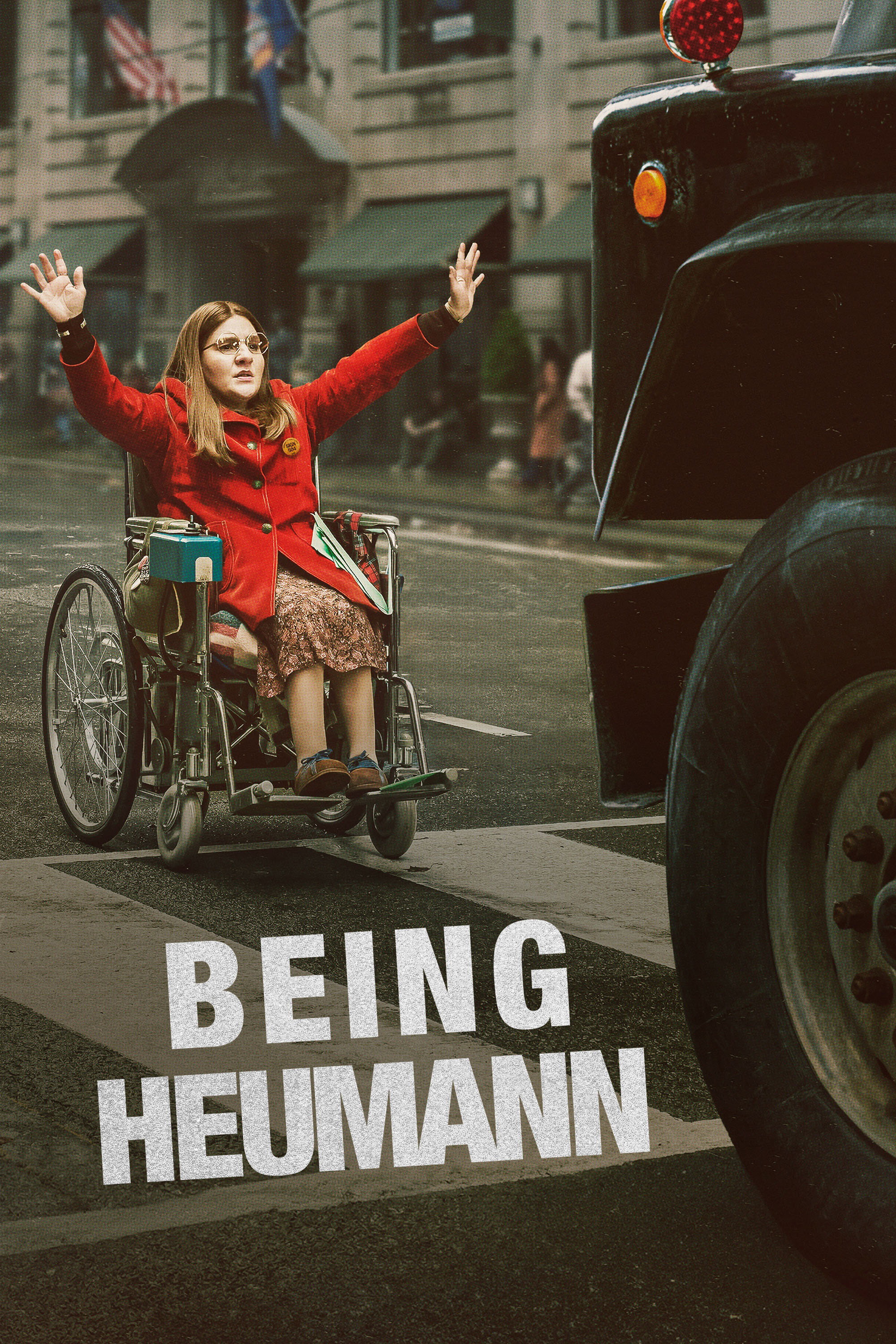
Being Heumann is a biographical drama centered on Judy Heumann's leadership of the 1977 Section 504 sit-in, a 26-day occupation of a federal building to force enforcement of the first U.S. federal civil rights protections for people with disabilities.
The entire premise revolves around systemic barriers faced by disabled people, critiques of bureaucratic resistance to accommodations, and collective action to dismantle those barriers, with the narrative framing the activists as outsiders challenging an oppressive system.
Casting prioritizes disabled performers, including Ruth Madeley (who has spina bifida) as Heumann and an ensemble of over 40 disabled actors in supporting roles portraying real activists like Kitty Cone and Ed Roberts. Director Siân Heder and co-writer Rebekah Taussig explicitly made disabled casting a priority to match the historical figures and advance authentic representation. This intentional focus on identity-aligned casting and the story's emphasis on disability as a basis for rights activism embed progressive ideological elements around inclusion and systemic oppression.
The film avoids modern fictional additions like race or gender swaps of established characters and stays grounded in documented history rather than overt lectures. However, the centrality of identity-based activism as the driving conflict and the deliberate DEI-style casting push the score into the noticeable-to-significant range. Reception has been largely positive for its inspirational historical focus, with limited backlash, but the work's appeal rests substantially on its progressive framing of disability rights as civil rights struggle.
Key Factors
- Core premise is disability rights activism against systemic discrimination and bureaucratic inaction
- Intentional casting of disabled actors in disabled historical roles, record ensemble size
- Themes of collective protest challenging norms around disability and government responsibility
- Biographical fidelity to 1977 events without fabricated modern identity changes
Methodology: Each score synthesizes audience discourse, critic and aggregator reception, and press coverage — weighed against the work itself, not any single source.
Pro BreakdownPro
Identity Politics & Racial Essentialism
Gender Ideology & LGBTQ+ Themes
DEI Casting & Representation Mandates
Preachiness & Message-First Agenda
Corporate & Creator Activism
See how this title scores across all 5 woke subcategories with detailed explanations.
Unlock with ProFrom $3/month · 3-day trial for $1
The Woke Report
A curated roundup of newly scored movies, shows, and games, with the context behind the scores. Free. Unsubscribe anytime.
Privacy policyDirected by
Is Being Heumann Woke?
We've run a full content analysis on Being Heumann and scored it 6/10 on the woke scale. Read our detailed breakdown above to see exactly what we found.
Frequently Asked Questions
What kind of woke content is in Being Heumann?
Our analysis checks for themes like identity politics, race-swapping, gender ideology, environmental activism, anti-religious messaging, and other progressive agenda elements. The score breakdown above shows which specific categories were flagged and how heavily they factor into Being Heumann's overall score.
Is Being Heumann family-friendly?
Wokeometer focuses on ideological content rather than traditional ratings (violence, language, etc.). Being Heumann is rated R. For a full picture, combine our woke analysis with the age rating to decide if it's right for your family.
How does Wokeometer score movies?
We evaluate media across multiple ideological categories on a 0–10 scale. Scores of 0–3 mean story-first, 4–6 have moderate elements, and 7–10 flag heavily agenda-driven content. Learn more about our methodology →