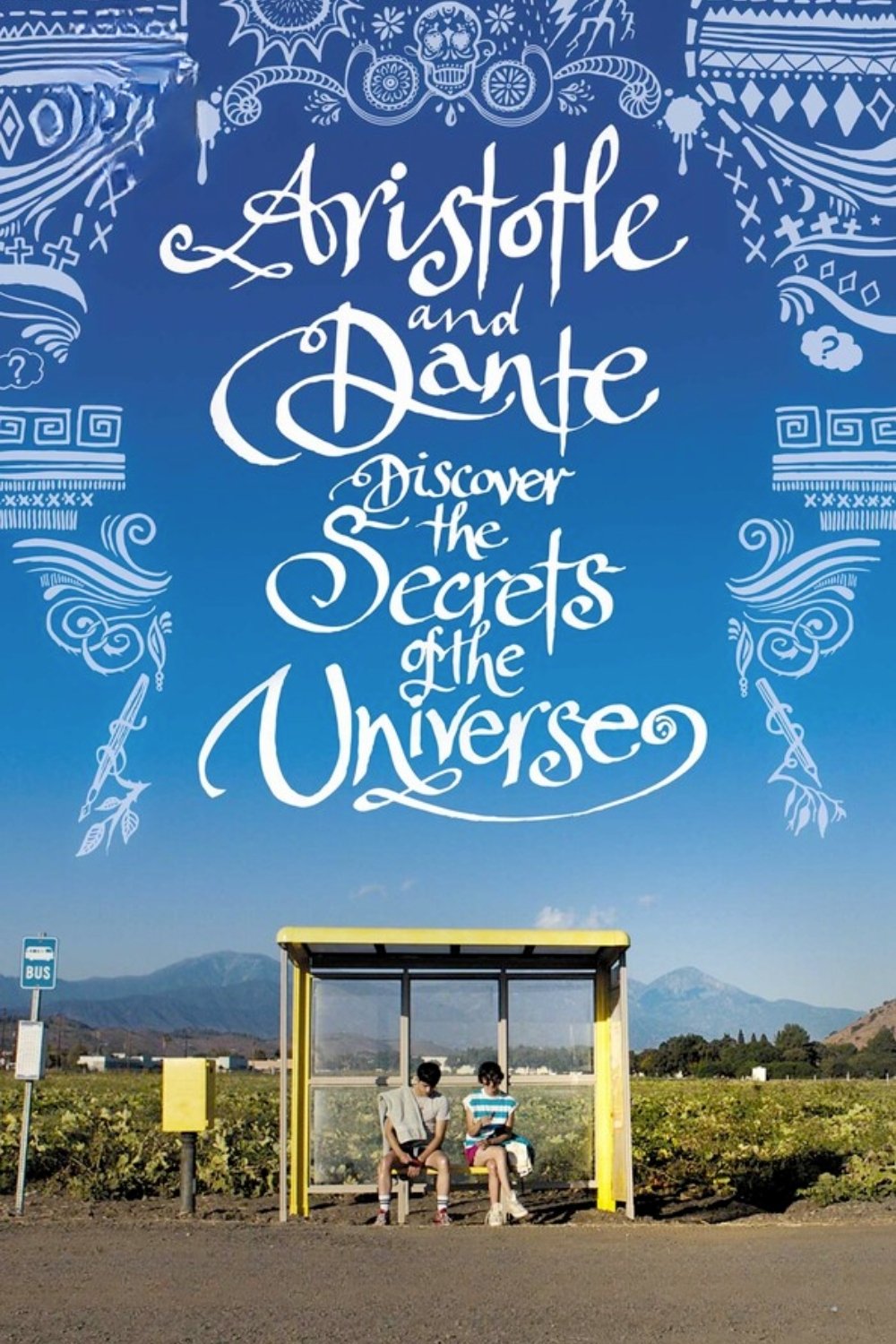
Aristotle and Dante Discover the Secrets of the Universe
movie·PG-13·Sep 8, 2023·
Aristotle and Dante Discover the Secrets of the Universe
movie
PG-13
September 8, 2023
Wokeometer Rating
9Woke
Scale: 0 = not woke, 10 = maximally woke
TL;DR Verdict
This film scores 9/10 woke because its entire plot hinges on queer identity politics, homophobia, and rejection of toxic masculinity as the driving forces behind every conflict and relationship. Skip it if you want a story that isn't built on that agenda.
Paid creator placementsFeature your article or video on this page
Detailed Analysis
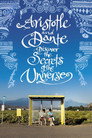
The film's core premise is the romantic and sexual awakening between two Mexican-American teenage boys, Ari and Dante, in 1987 El Paso.
Their friendship evolves through letters where Dante explicitly comes out as gay, culminating in a desert kiss, confession of love, and relationship amid homophobic violence and family discussions of acceptance. This queer identity exploration drives every major plot turn, including Dante's attack by homophobic boys, Ari's realization of his feelings, and references to an aunt shunned for living with a female partner.
Director Aitch Alberto, who adapted and directed the film from the source novel, has stated intent to create nuanced queer Latinx stories that push against stereotypes and trauma tropes, emphasizing representation of people rarely seen on screen. The story centers identity politics around sexuality, cultural background, and rejection of toxic masculinity, with AIDS-era context and homophobia as central conflicts.
Casting preserves the source's male characters with male actors Max Pelayo and Reese Gonzales; no established-character swaps occur. Reception highlights the LGBTQ+ focus as a strength for target audiences, with critic praise for the coming-out narrative and audience identification with the gay Mexican-American protagonists. The ideology is foundational—the romance and self-discovery arc would not exist without it.
Casting evidence: Casting research is incomplete or contains unresolved comparisons; overall casting fidelity has not been established. Documented credits include Max Pelayo as Aristotle Mendoza; Reese Gonzales as Dante Quintana.
Key Factors
- Core premise is queer romance and gay identity exploration between leads
- Explicit on-screen and dialogue-driven LGBTQ+ coming-out, relationship, and homophobia themes
- Director statements emphasize activist intent for representation and redefining narratives
- Faithful adaptation centers sexuality as primary emotional driver
Methodology: Each score synthesizes audience discourse, critic and aggregator reception, and press coverage — weighed against the work itself, not any single source.
Pro BreakdownPro
Identity Politics & Racial Essentialism
Gender Ideology & LGBTQ+ Themes
DEI Casting & Representation Mandates
Preachiness & Message-First Agenda
Corporate & Creator Activism
See how this title scores across all 5 woke subcategories with detailed explanations.
Unlock with ProFrom $3/month · 3-day trial for $1
The Woke Report
A curated roundup of newly scored movies, shows, and games, with the context behind the scores. Free. Unsubscribe anytime.
Privacy policyDirected by
Is Aristotle and Dante Discover the Secrets of the Universe Woke?
We've run a full content analysis on Aristotle and Dante Discover the Secrets of the Universe and scored it 9/10 on the woke scale. Read our detailed breakdown above to see exactly what we found.
Frequently Asked Questions
What kind of woke content is in Aristotle and Dante Discover the Secrets of the Universe?
Our analysis checks for themes like identity politics, race-swapping, gender ideology, environmental activism, anti-religious messaging, and other progressive agenda elements. The score breakdown above shows which specific categories were flagged and how heavily they factor into Aristotle and Dante Discover the Secrets of the Universe's overall score.
Is Aristotle and Dante Discover the Secrets of the Universe family-friendly?
Wokeometer focuses on ideological content rather than traditional ratings (violence, language, etc.). Aristotle and Dante Discover the Secrets of the Universe is rated PG-13. For a full picture, combine our woke analysis with the age rating to decide if it's right for your family.
How does Wokeometer score movies?
We evaluate media across multiple ideological categories on a 0–10 scale. Scores of 0–3 mean story-first, 4–6 have moderate elements, and 7–10 flag heavily agenda-driven content. Learn more about our methodology →