A Different Man
movie·R·Nov 5, 2024·
A Different Man
movie
R
November 5, 2024
Wokeometer Rating
4Mixed
Scale: 0 = not woke, 10 = maximally woke
TL;DR Verdict
A Different Man weaves in themes of disability representation, identity, and media stereotypes by contrasting Edward’s self-loathing with Oswald’s self-acceptance, yet these ideas stay secondary to its psychological satire and existential comedy. The 4/10 score reflects noticeable social commentary without overt lectures or narrative dominance.
Paid creator placementsFeature your article or video on this page
Detailed Analysis
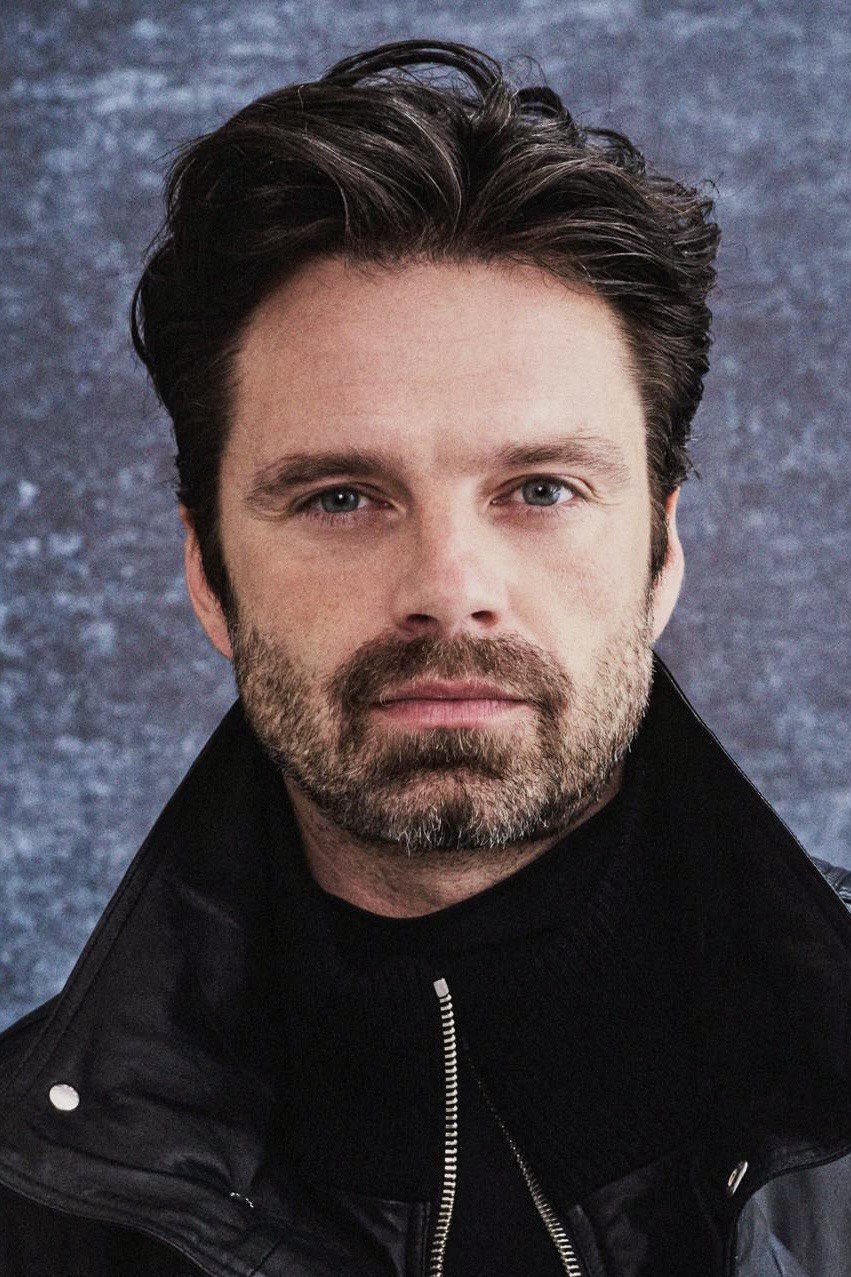
A Different Man centers on Edward, a struggling actor with neurofibromatosis played by Sebastian Stan in prosthetics, who undergoes experimental surgery to alter his appearance and assumes a new identity as Guy.
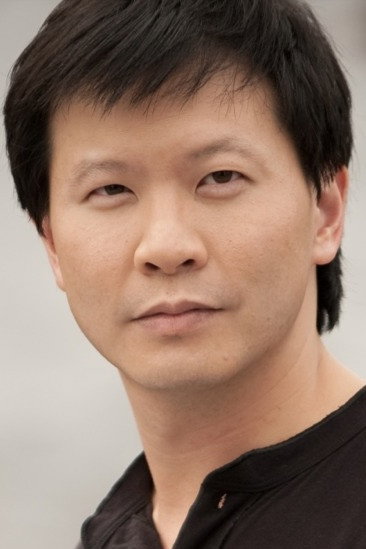
His life improves superficially until he encounters Oswald, played by Adam Pearson (who has the same condition), a confident and outgoing man who thrives without change. The plot pivots on Edward's growing jealousy and identity crisis as Oswald takes his place in a play written by Ingrid about Edward's experiences and in Ingrid's affections.
The film engages noticeably with themes of identity, self-perception versus societal views, disability representation, and media tropes around disfigurement. It satirizes victim, villain, and inspirational-hero stereotypes through contrasting Edward's self-loathing with Oswald's self-acceptance, while meta-commentary questions who controls narratives about disability and authentic casting. Director Aaron Schimberg draws from personal experiences with cleft palate and prior collaboration with Pearson, framing the story as an exploration of internal versus external transformation rather than explicit advocacy.
These elements influence character arcs and thematic depth but remain secondary to the psychological satire and existential comedy of self-sabotage. No race or gender swaps of established characters occur, no overt lectures on systemic issues appear, and creator statements emphasize personal introspection over activism. Reception highlights the film's provocative nuance and willingness to challenge assumptions, including political correctness around representation, without framing it as ideological messaging. The premise would hold without progressive framing, placing it in the minor-to-noticeable range.
Key Factors
- Central plot and themes revolve around disability, identity, and representation tropes with authentic casting of Adam Pearson
- Satirical critique of ableism and media portrayals influences character contrasts and meta elements but serves psychological drama
- Creator intent rooted in personal experience and self-acceptance exploration, not activist statements
- No established character alterations or forced diversity; original story with organic thematic overlap
Methodology: Each score synthesizes audience discourse, critic and aggregator reception, and press coverage — weighed against the work itself, not any single source.
Pro BreakdownPro
Identity Politics & Racial Essentialism
Gender Ideology & LGBTQ+ Themes
DEI Casting & Representation Mandates
Preachiness & Message-First Agenda
Corporate & Creator Activism
See how this title scores across all 5 woke subcategories with detailed explanations.
Unlock with ProFrom $3/month · 3-day trial for $1
The Woke Report
A curated roundup of newly scored movies, shows, and games, with the context behind the scores. Free. Unsubscribe anytime.
Privacy policyDirected by
Is A Different Man Woke?
We've run a full content analysis on A Different Man and scored it 4/10 on the woke scale. Read our detailed breakdown above to see exactly what we found.
Frequently Asked Questions
What kind of woke content is in A Different Man?
Our analysis checks for themes like identity politics, race-swapping, gender ideology, environmental activism, anti-religious messaging, and other progressive agenda elements. The score breakdown above shows which specific categories were flagged and how heavily they factor into A Different Man's overall score.
Is A Different Man family-friendly?
Wokeometer focuses on ideological content rather than traditional ratings (violence, language, etc.). A Different Man is rated R. For a full picture, combine our woke analysis with the age rating to decide if it's right for your family.
How does Wokeometer score movies?
We evaluate media across multiple ideological categories on a 0–10 scale. Scores of 0–3 mean story-first, 4–6 have moderate elements, and 7–10 flag heavily agenda-driven content. Learn more about our methodology →