
Box Office
Flop · 0.8xBudget$7M
Worldwide Gross$5.7M
The film weaves second-wave feminist texts and discussions into the central story of women guiding a teen boy's growth in 1979, giving those themes clear but not overwhelming weight within its period drama framework. This creates a moderate 6/10 level of messaging that stays tied to the era's cultural shifts.
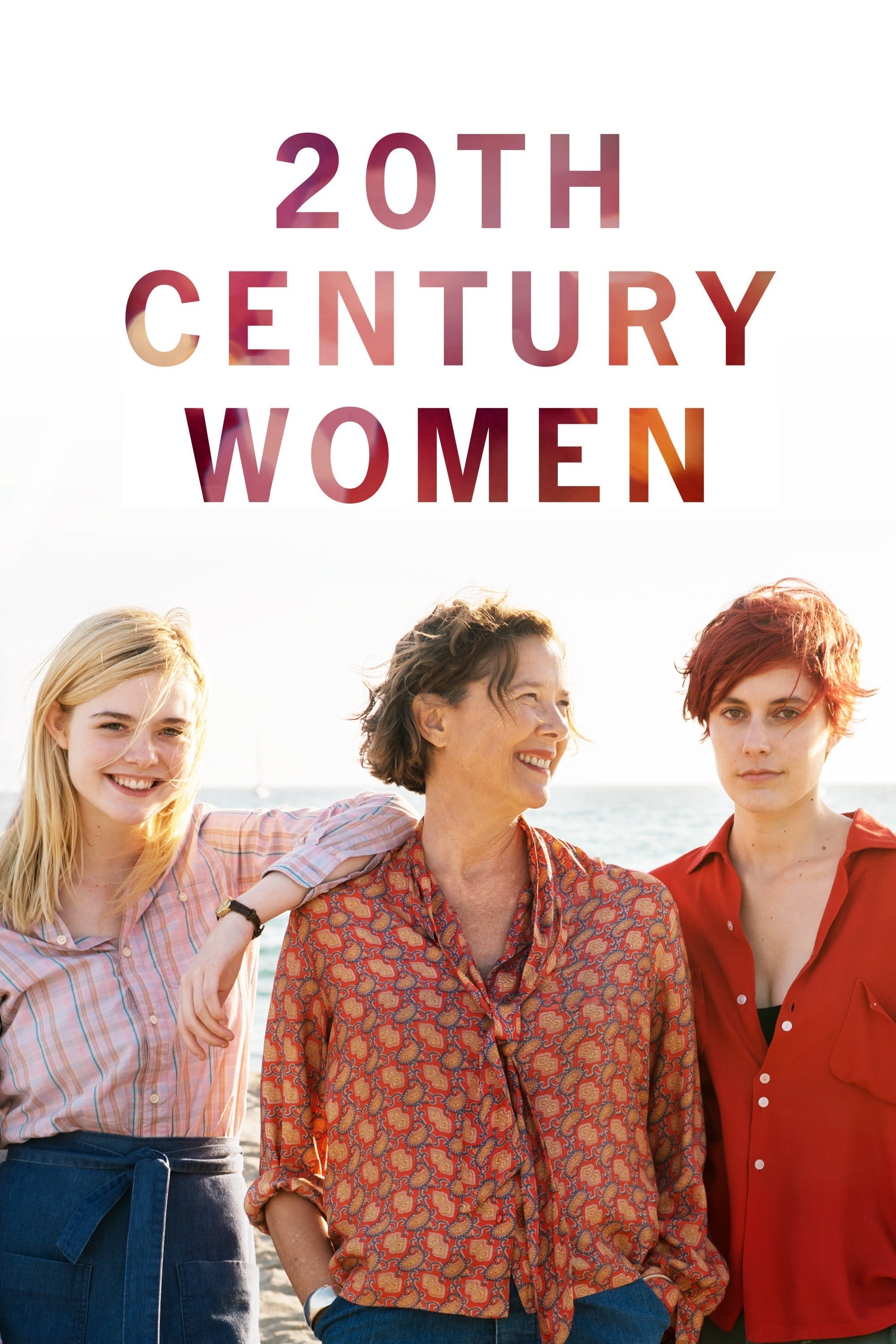
The film centers on single mother Dorothea enlisting punk photographer Abbie and teen neighbor Julie to help raise her 15-year-old son Jamie in 1979 Santa Barbara, explicitly tasking them with teaching him 'how to be a good man' amid cultural shifts.
Abbie directly provides Jamie with second-wave feminist texts such as Our Bodies, Ourselves and Sisterhood Is Powerful, discusses cervical cancer tied to the DES fertility drug, and imparts lessons on female sexuality and autonomy; Julie shares experiences around sex, birth control, and relationships. These elements drive multiple character arcs and subplots, including Jamie's exposure to feminist ideas and the women's own generational reflections on patriarchy and sexual liberation.
The premise of women collectively shaping male understanding of gender and sexuality places ideological instruction at the story's foundation rather than treating it as incidental background. Director Mike Mills has described the project as drawing from his own matriarchal upbringing and positioned himself as a 'male ally' advancing feminist perspectives through interviews and statements. This intent manifests in the repeated foregrounding of feminist texts and discussions as essential to Jamie's development, turning personal history into a vehicle for explicit gender ideology. While the 1979 setting remains organic with no source-material alterations or modern identity overlays, the central feminist framing elevates progressive messaging above conventional dramatic priorities, limiting the film's appeal beyond audiences already aligned with those views.
We've run a full content analysis on 20th Century Women and scored it 6/10 on the woke scale. Read our detailed breakdown above to see exactly what we found.
Our analysis checks for themes like identity politics, race-swapping, gender ideology, environmental activism, anti-religious messaging, and other progressive agenda elements. The score breakdown above shows which specific categories were flagged and how heavily they factor into 20th Century Women's overall score.
Wokeometer focuses on ideological content rather than traditional ratings (violence, language, etc.). 20th Century Women is rated R. For a full picture, combine our woke analysis with the age ratingto decide if it's right for your family.
We evaluate media across multiple ideological categories on a 0–10 scale. Scores of 0–3 mean story-first, 4–6 have moderate elements, and 7–10 flag heavily agenda-driven content.
Methodology: Each score synthesizes audience discourse, critic and aggregator reception, and press coverage — weighed against the work itself, not any single source.
See how this title scores across all 5 woke subcategories with detailed explanations.
Unlock with ProFrom $3/month · 3-day trial for $1
Every Friday: the week's most ideologically-loaded releases, scored — with the breakdown the headlines skip. Free, no spam, unsubscribe anytime.
No reviews yet
Be the first to share what you thought of 20th Century Women.

Similar titles you might enjoy