Shop this game
Shop this game
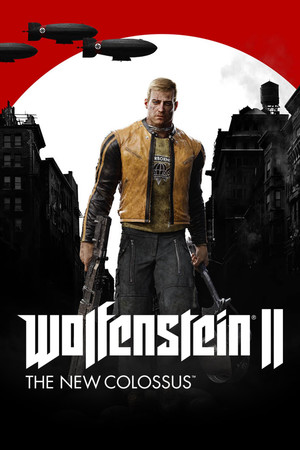
Wolfenstein II: The New Colossus
We may earn a commission from purchases through these links.
Physical games
Search US stores by format. Check the title and edition before buying.
Wolfenstein II: The New Colossus
game·M·Oct 26, 2017·
Shop
Shop this game
Wolfenstein II: The New Colossus
We may earn a commission from purchases through these links.
Physical games
Search US stores by format. Check the title and edition before buying.
Wolfenstein II: The New Colossus
game
M
October 26, 2017
Wokeometer Rating
5Mixed
Scale: 0 = not woke, 10 = maximally woke
TL;DR Verdict
Wolfenstein II: 5/10 woke. Diverse cast and subtle progressive themes like feminist arcs add flavor but stay secondary to high-octane Nazi-killing action, earning strong reviews with minimal backlash.
Paid creator placementsFeature your article or video on this page
Detailed Analysis
Wolfenstein II: The New Colossus features noticeable progressive elements through its diverse resistance cast, including prominent black female leader Grace Walker with revolutionary speeches addressing oppression under Nazi rule, an overweight female character, and minor LGBTQ+ representation such as a lesbian resistance member.
Dialogue includes modern-flavored discussions of systemic issues and humanizing Nazis as 'men' rather than monsters, alongside feminist undertones in BJ's arc from hyper-masculine killer to family man supported by his pregnant Jewish wife who fights Nazis. These influence character arcs and subplots but remain secondary to the core premise of a high-octane Nazi-shooting action game in an alternate-history 1961 America.
No evidence of DEI consultancy like Sweet Baby Inc., race/gender-swapping of established characters, pronoun mechanics, or creator-stated activist intent beyond embracing anti-Nazi themes. Reception was strong with high critic/user scores (87 Metacritic) and 86% Steam positive, with minimal backlash at launch (mostly alt-right upset over Nazi-killing) and some recent anti-woke labeling for diversity, but no sales failure or review bombing tied to ideology.
Key Factors
- Prominent diverse resistance leaders like black militant Grace Walker with political speeches on oppression
- Minor LGBTQ+ representation and overweight female characters as noticeable but non-central elements
- Feminist framing in BJ's personal growth and capable female allies, with dialogue touching systemic issues in Nazi context
Methodology: Each score synthesizes audience discourse, critic and aggregator reception, and press coverage — weighed against the work itself, not any single source.
Detailed BreakdownPro
Free Preview1 of 5 categories unlocked
Corporate & Creator Activism0
No evidence of creator interviews on inclusion mandates, studio DEI initiatives, ESG decisions, or marketing centered on progressive credentials beyond standard anti-Nazi themes.
Identity Politics & Racial Essentialism
Gender Ideology & LGBTQ+ Themes
DEI Casting & Representation Mandates
Preachiness & Message-First Agenda
Unlock the other 4 categories — including Identity Politics and Gender Ideology — with detailed explanations.
Unlock with ProFrom $3/month · 3-day trial for $1
The Woke Report
A curated roundup of newly scored movies, shows, and games, with the context behind the scores. Free. Unsubscribe anytime.
Privacy policyIs Wolfenstein II: The New Colossus Woke?
We've run a full content analysis on Wolfenstein II: The New Colossus and scored it 5/10 on the woke scale. Read our detailed breakdown above to see exactly what we found.
Frequently Asked Questions
What kind of woke content is in Wolfenstein II: The New Colossus?
Our analysis checks for themes like identity politics, race-swapping, gender ideology, environmental activism, anti-religious messaging, and other progressive agenda elements. The score breakdown above shows which specific categories were flagged and how heavily they factor into Wolfenstein II: The New Colossus's overall score.
Is Wolfenstein II: The New Colossus appropriate for kids?
Wokeometer focuses on ideological content rather than traditional ratings (violence, language, etc.). Wolfenstein II: The New Colossus is rated M. For a full picture, combine our woke analysis with the age rating to decide if it's right for your family.
How does Wokeometer score video games?
We evaluate media across multiple ideological categories on a 0–10 scale. Scores of 0–3 mean story-first, 4–6 have moderate elements, and 7–10 flag heavily agenda-driven content. Learn more about our methodology →