What Lies in the Multiverse
game·Mar 4, 2022·
What Lies in the Multiverse
game
March 4, 2022
Wokeometer Rating
3Based
Scale: 0 = not woke, 10 = maximally woke
TL;DR Verdict
What Lies in the Multiverse scores a low 3/10 on wokeness because its one minor trans subplot stays incidental, downplayed, and disconnected from the central story of multiverse adventure, friendship, grief, and facing consequences. The game sticks to traditional themes with organic character variety and no activist mechanics or developer emphasis.
Paid creator placementsFeature your article or video on this page
Detailed Analysis
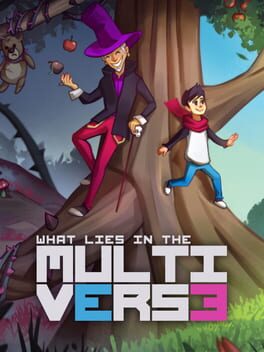
What Lies in the Multiverse centers on a linear story of a young boy known as the Kid who accidentally enters the multiverse and teams up with the eccentric scientist Everett.
Their adventure involves puzzle-platforming across parallel worlds, pursued by the ZENITH group including Leo, Lise, Sagan, Nash, and Barres, while uncovering Everett's tragic past involving the death of his previous assistant Ez, alcoholism, and obsession with controlling realities. The narrative explores traditional themes of friendship, facing consequences, bravery versus cowardice, and grief through a mix of cartoonish hijinks and dark humor, culminating in a bittersweet ending where the Kid confronts Everett.
The cast features quirky original characters with organic variety in age and personality, such as the elderly Everett, the thoughtful Leo, and supporting figures like the reporter Meloney. One minor element involves the supporting character Barres, a trans man in ZENITH whose transition is referenced positively in Everett's notes about adjusting to the new name, while a single transphobic remark from the unstable Nash is immediately condemned by peers. This remains a downplayed subplot without influencing the core premise, romance systems, or main emotional arcs.
No developer statements emphasize activism or DEI mandates, no character customization or gender-agnostic mechanics exist, and searches reveal no controversies or audience backlash. Reception on Metacritic and OpenCritic hovers around 80-82 with generally favorable critic scores focused on gameplay and story balance rather than messaging. The progressive element stays incidental and does not drive the adventure or themes.
Key Factors
- Incidental trans character Barres with normalized portrayal and condemned transphobia in supporting subplot
- Core narrative focused on multiverse adventure, death, envy, obsession, and personal growth without identity politics
- Original characters and traditional storytelling with no established IP changes, romance systems, or developer activist intent
Methodology: Each score synthesizes audience discourse, critic and aggregator reception, and press coverage — weighed against the work itself, not any single source.
Pro BreakdownPro
Free Preview1 of 5 categories unlocked
Corporate & Creator Activism0
No developer statements, studio DEI initiatives, or marketing centered on progressive credentials are present.
Identity Politics & Racial Essentialism
Gender Ideology & LGBTQ+ Themes
DEI Casting & Representation Mandates
Preachiness & Message-First Agenda
Unlock the other 4 categories — including Identity Politics and Gender Ideology — with detailed explanations.
Unlock with ProFrom $3/month · 3-day trial for $1
The Woke Report
A curated roundup of newly scored movies, shows, and games, with the context behind the scores. Free. Unsubscribe anytime.
Privacy policyIs What Lies in the Multiverse Woke?
We've run a full content analysis on What Lies in the Multiverse and scored it 3/10 on the woke scale. Read our detailed breakdown above to see exactly what we found.
Frequently Asked Questions
What kind of woke content is in What Lies in the Multiverse?
Our analysis checks for themes like identity politics, race-swapping, gender ideology, environmental activism, anti-religious messaging, and other progressive agenda elements. The score breakdown above shows which specific categories were flagged and how heavily they factor into What Lies in the Multiverse's overall score.
Is What Lies in the Multiverse appropriate for kids?
Wokeometer focuses on ideological content rather than traditional ratings (violence, language, etc.). For a full picture, combine our woke analysis with the official content rating to decide if it's right for your family.
How does Wokeometer score video games?
We evaluate media across multiple ideological categories on a 0–10 scale. Scores of 0–3 mean story-first, 4–6 have moderate elements, and 7–10 flag heavily agenda-driven content. Learn more about our methodology →