Shop this game
Shop this game
Wadanohara and the Great Blue Sea
We may earn a commission from purchases through these links.
Physical games
Search US stores by format. Check the title and edition before buying.
Wadanohara and the Great Blue Sea
game·Dec 21, 2013·
Shop
Shop this game
Wadanohara and the Great Blue Sea
We may earn a commission from purchases through these links.
Physical games
Search US stores by format. Check the title and edition before buying.
Wadanohara and the Great Blue Sea
game
December 21, 2013
Wokeometer Rating
1Based
Scale: 0 = not woke, 10 = maximally woke
TL;DR Verdict
Wadanohara and the Great Blue Sea stays a pure 1/10 on wokeness by focusing on classic fantasy adventure, heterosexual romance, and story-driven characters with zero identity politics or activist framing.
Paid creator placementsFeature your article or video on this page
Detailed Analysis
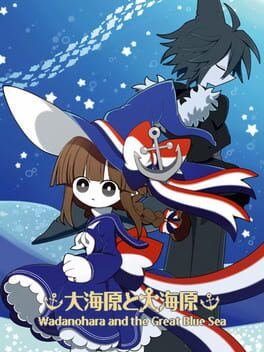
Wadanohara and the Great Blue Sea is a 2013 indie RPG Maker adventure centered on a young sea witch protagonist and her animal-familiar companions in a traditional fantasy sea-kingdom setting.
The core narrative follows Wadanohara repairing magical barriers, uncovering betrayal by the shark character Sal/Syakesan, and resolving a war with the Totsusa Kingdom, culminating in multiple endings driven by loyalty, sacrifice, and romance. The primary romantic arc is the heterosexual relationship between Wadanohara and her familiar Samekichi, who become an official couple and have a son in the true ending; other relationships follow classic fantasy tropes without identity-based framing. No character-creation systems, pronoun options, gender-swapped established figures, or DEI consultancy involvement exist.
Developer statements emphasize fairytale atmosphere, sea-creature designs, and themes of selfish versus altruistic love, with no activist intent or representation mandates. Dark elements like implied sexual assault in bad endings and body horror are plot devices for horror contrast, not social commentary. Reception focuses on music, characters, and story twists rather than political messaging, with controversies limited to content warnings for violence. The 2013 release predates widespread progressive influence in indie games, resulting in virtually no ideological embedding.
Key Factors
- Heterosexual romance between Wadanohara and Samekichi as central emotional driver with no queer or identity elements
- Original fantasy characters and plot with no established-character changes, gender customization, or pronoun mechanics
- Developer focus on fairytale storytelling and sea themes; absence of DEI statements, consultancy, or activist marketing
- Dark content (implied assault, horror) serves narrative contrast rather than progressive messaging
Methodology: Each score synthesizes audience discourse, critic and aggregator reception, and press coverage — weighed against the work itself, not any single source.
Detailed BreakdownPro
Free Preview1 of 5 categories unlocked
Corporate & Creator Activism0
Developer statements focus on fairytale atmosphere and sea-creature designs with no activist intent, DEI initiatives, or marketing centered on progressive credentials.
Identity Politics & Racial Essentialism
Gender Ideology & LGBTQ+ Themes
DEI Casting & Representation Mandates
Preachiness & Message-First Agenda
Unlock the other 4 categories — including Identity Politics and Gender Ideology — with detailed explanations.
Unlock with ProFrom $3/month · 3-day trial for $1
The Woke Report
A curated roundup of newly scored movies, shows, and games, with the context behind the scores. Free. Unsubscribe anytime.
Privacy policyIs Wadanohara and the Great Blue Sea Woke?
We've run a full content analysis on Wadanohara and the Great Blue Sea and scored it 1/10 on the woke scale. Read our detailed breakdown above to see exactly what we found.
Frequently Asked Questions
What kind of woke content is in Wadanohara and the Great Blue Sea?
Our analysis checks for themes like identity politics, race-swapping, gender ideology, environmental activism, anti-religious messaging, and other progressive agenda elements. The score breakdown above shows which specific categories were flagged and how heavily they factor into Wadanohara and the Great Blue Sea's overall score.
Is Wadanohara and the Great Blue Sea appropriate for kids?
Wokeometer focuses on ideological content rather than traditional ratings (violence, language, etc.). For a full picture, combine our woke analysis with the official content rating to decide if it's right for your family.
How does Wokeometer score video games?
We evaluate media across multiple ideological categories on a 0–10 scale. Scores of 0–3 mean story-first, 4–6 have moderate elements, and 7–10 flag heavily agenda-driven content. Learn more about our methodology →