Shop this game
Shop this game
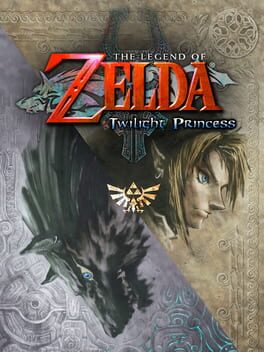
The Legend of Zelda: Twilight Princess
We may earn a commission from purchases through these links.
Physical games
Search US stores by format. Check the title and edition before buying.
The Legend of Zelda: Twilight Princess
game·Dec 2, 2006
Shop
Shop this game
The Legend of Zelda: Twilight Princess
We may earn a commission from purchases through these links.
Physical games
Search US stores by format. Check the title and edition before buying.
The Legend of Zelda: Twilight Princess
game
December 2, 2006
Wokeometer Rating
0Based
Scale: 0 = not woke, 10 = maximally woke
TL;DR Verdict
Twilight Princess: 0/10 wokeness—classic hero's journey with rugged Link saving regal Zelda, pure adventure and lore, zero politics or identity agendas.
Paid creator placementsFeature your article or video on this page
Detailed Analysis
The Legend of Zelda: Twilight Princess is a prime example of traditional fantasy storytelling free from any progressive ideological influence.
Released in 2006 by Nintendo EAD, the game features a classic hero's journey with the male protagonist Link embarking on a quest to save Princess Zelda from the forces of evil, embodied by Zant and Ganondorf, in a richly detailed Hyrule divided between light and twilight realms. Characters adhere faithfully to established Zelda lore: Link is depicted as a rugged, masculine ranch hand turned hero; Zelda is regal and sacrificial; Midna serves as a cunning Twili princess ally whose arc revolves around redemption and loyalty, not identity politics or empowerment lectures. There are no race-swaps, gender changes to canon characters, LGBTQ+ representation, pronoun usage, or themes critiquing systemic oppression, patriarchy, toxic masculinity, or traditional norms.
The narrative focuses purely on adventure, exploration, puzzle-solving, and epic confrontations, with side content like fishing and minigames enhancing entertainment without social messaging. No developer statements indicate activist intent, no DEI consultancies were involved (as such practices were nonexistent at the time), and localization changes were minimal and non-ideological. Reception was universally acclaimed with Metacritic scores around 95/100 and no critic-audience gaps or backlash tied to 'woke' elements—controversies, if any, centered on timeline placement or darker tone compared to prior entries, not politics.
Player sentiment on X and forums echoes enduring praise for its artistry and gameplay, unmarred by modern ideological intrusions. This game exemplifies pure, apolitical escapism that prioritizes fun and lore fidelity over contemporary activism.
Key Factors
- Absence of any progressive elements in casting, characters, or themes; all fit traditional Zelda fantasy conventions without forced diversity or identity politics.
- No developer activism, DEI involvement, or localization censorship altering content for social justice reasons.
- Universal critical and audience acclaim with no 'woke' backlash or reception divides, confirming neutral, entertainment-focused design.
Methodology: Each score synthesizes audience discourse, critic and aggregator reception, and press coverage — weighed against the work itself, not any single source.
Detailed BreakdownPro
Identity Politics & Racial Essentialism
Gender Ideology & LGBTQ+ Themes
DEI Casting & Representation Mandates
Preachiness & Message-First Agenda
Corporate & Creator Activism
See how this title scores across all 5 woke subcategories with detailed explanations.
Unlock with ProFrom $3/month · 3-day trial for $1
The Woke Report
A curated roundup of newly scored movies, shows, and games, with the context behind the scores. Free. Unsubscribe anytime.
Privacy policyIs The Legend of Zelda: Twilight Princess Woke?
We've run a full content analysis on The Legend of Zelda: Twilight Princess and scored it 0/10 on the woke scale. Read our detailed breakdown above to see exactly what we found.
Frequently Asked Questions
What kind of woke content is in The Legend of Zelda: Twilight Princess?
Our analysis checks for themes like identity politics, race-swapping, gender ideology, environmental activism, anti-religious messaging, and other progressive agenda elements. The score breakdown above shows which specific categories were flagged and how heavily they factor into The Legend of Zelda: Twilight Princess's overall score.
Is The Legend of Zelda: Twilight Princess appropriate for kids?
Wokeometer focuses on ideological content rather than traditional ratings (violence, language, etc.). For a full picture, combine our woke analysis with the official content rating to decide if it's right for your family.
How does Wokeometer score video games?
We evaluate media across multiple ideological categories on a 0–10 scale. Scores of 0–3 mean story-first, 4–6 have moderate elements, and 7–10 flag heavily agenda-driven content. Learn more about our methodology →