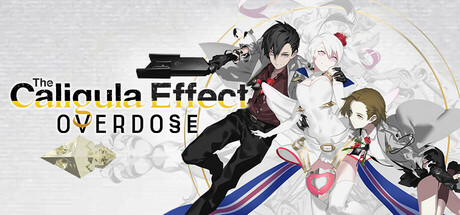
The Caligula Effect: Overdose
game·M·Mar 12, 2019·
The Caligula Effect: Overdose
game
M
March 12, 2019
Wokeometer Rating
4Mixed
Scale: 0 = not woke, 10 = maximally woke
TL;DR Verdict
The game adds a female protagonist option and one character's explicit lesbian romance subplot with same-sex dialogue, yet these remain secondary to its core story of trauma-driven escapism without altering the narrative or adding systemic themes. This keeps the overall messaging at a moderate 4/10.
Paid creator placementsFeature your article or video on this page
Detailed Analysis
The Caligula Effect: Overdose centers on escaping a virtual high-school paradise created by sentient AI μ to shield users from real-world traumas like androphobia, psychopathy, and social anxiety.
Core premise and character arcs emphasize psychological escapism and personal resolve, with no developer statements on DEI, consultancy involvement, or activist intent. The Overdose remake adds a selectable female protagonist that alters some dialogues and access but functions as an organic extension of the ideal-self mechanic rather than a rewrite. Ayana Amamoto, a new Go-Home Club member with androphobia, receives an explicit lesbian romance subplot and gay option when playing as the female protagonist, including dialogue referencing same-sex marriage and direct questions about romantic type; this appears in her character episodes and a bad ending.
Other ship teases exist but remain secondary. These elements constitute noticeable but non-foundational progressive representation that does not reshape the trauma-driven narrative or introduce systemic-oppression framing. No pronoun customization, body-type swaps, localization censorship, or race/gender changes to established characters occur.
Reception shows mixed Metacritic scores around 60 with no ideology-linked backlash or critic-audience gaps. X sentiment searches yield no relevant controversy discourse.
Key Factors
- Selectable female protagonist option affecting limited interactions and routes
- Ayana Amamoto's explicit lesbian portrayal and romance arc with female protagonist, including same-sex marriage reference
- Absence of DEI consulting, creator activist statements, forced diversity, or central identity-politics themes
Methodology: Each score synthesizes audience discourse, critic and aggregator reception, and press coverage — weighed against the work itself, not any single source.
Pro BreakdownPro
Free Preview1 of 5 categories unlocked
Corporate & Creator Activism0
No developer statements emphasize inclusion mandates, studio DEI initiatives, or activist intent, with the Overdose remake presented as a standard content expansion.
Identity Politics & Racial Essentialism
Gender Ideology & LGBTQ+ Themes
DEI Casting & Representation Mandates
Preachiness & Message-First Agenda
Unlock the other 4 categories — including Identity Politics and Gender Ideology — with detailed explanations.
Unlock with ProFrom $3/month · 3-day trial for $1
The Woke Report
A curated roundup of newly scored movies, shows, and games, with the context behind the scores. Free. Unsubscribe anytime.
Privacy policyIs The Caligula Effect: Overdose Woke?
We've run a full content analysis on The Caligula Effect: Overdose and scored it 4/10 on the woke scale. Read our detailed breakdown above to see exactly what we found.
Frequently Asked Questions
What kind of woke content is in The Caligula Effect: Overdose?
Our analysis checks for themes like identity politics, race-swapping, gender ideology, environmental activism, anti-religious messaging, and other progressive agenda elements. The score breakdown above shows which specific categories were flagged and how heavily they factor into The Caligula Effect: Overdose's overall score.
Is The Caligula Effect: Overdose appropriate for kids?
Wokeometer focuses on ideological content rather than traditional ratings (violence, language, etc.). The Caligula Effect: Overdose is rated M. For a full picture, combine our woke analysis with the age rating to decide if it's right for your family.
How does Wokeometer score video games?
We evaluate media across multiple ideological categories on a 0–10 scale. Scores of 0–3 mean story-first, 4–6 have moderate elements, and 7–10 flag heavily agenda-driven content. Learn more about our methodology →