Shop this game
Shop this game
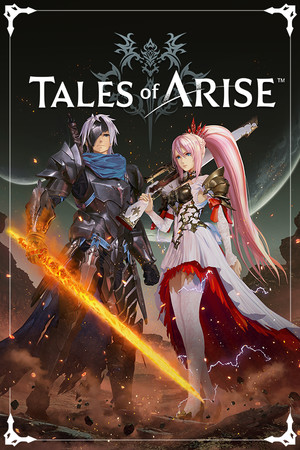
Tales of ARISE
We may earn a commission from purchases through these links.
Search US stores by format. Check the title and edition before buying.
Tales of ARISE
game·T·Nov 8, 2023·
Shop
Shop this game
Tales of ARISE
We may earn a commission from purchases through these links.
Search US stores by format. Check the title and edition before buying.
Tales of ARISE
game
T
November 8, 2023
Wokeometer Rating
5Mixed
Scale: 0 = not woke, 10 = maximally woke
TL;DR Verdict
Tales of Arise earns a 5/10 woke score for its central oppression/slavery allegory (darker slaves vs. pale lords), diverse cast, and subtle queer coding, but these integrate organically into the fantasy plot without overt preaching or backlash.
Paid creator placementsFeature your article or video on this page
Detailed Analysis
Tales of Arise features a central narrative premise built around systemic oppression, with the Dahnan people (visually darker-skinned slaves) enduring 300 years of brutal tyranny by the pale-skinned Renan lords who exploit them for astral energy, suppress their pain via masks, and use propaganda and nationalism to maintain control.
This allegory directly evokes themes of slavery, racism, colonialism, and class struggle, driving the entire plot of liberation and revolution through character arcs like Alphen's quest for freedom and defectors like Dohalim challenging the hierarchy. Additional elements include a visually diverse cast with balanced genders and a black-coded Renan lord (Dohalim) who embodies anti-oppression reform, alongside subtle queer coding in pairings and character mannerisms that some interpret as homosexual undertones without explicit confirmation or focal identity exploration.
While Bandai Namco promotes DEI initiatives and staff training on gender/diversity topics for global appeal, there is no evidence of consultancy firms like Sweet Baby Inc., localization censorship (pre-release rumors debunked), race/gender-swapping, pronoun usage, or overt lectures on contemporary identity politics. The game's high critical and audience reception (Metacritic 87, strong Steam positives) with no significant 'woke' backlash indicates these elements integrate organically into the JRPG fantasy framework without prioritizing activism over entertainment, though the oppression narrative's prominence qualifies as noticeable progressive influence on themes and character motivations.
Methodology: Each score synthesizes audience discourse, critic and aggregator reception, and press coverage — weighed against the work itself, not any single source.
Detailed BreakdownPro
Identity Politics & Racial Essentialism
Gender Ideology & LGBTQ+ Themes
DEI Casting & Representation Mandates
Preachiness & Message-First Agenda
Corporate & Creator Activism
See how this title scores across all 5 woke subcategories with detailed explanations.
Unlock with ProFrom $3/month · 3-day trial for $1
The Woke Report
A curated roundup of newly scored movies, shows, and games, with the context behind the scores. Free. Unsubscribe anytime.
Privacy policyIs Tales of ARISE Woke?
We've run a full content analysis on Tales of ARISE and scored it 5/10 on the woke scale. Read our detailed breakdown above to see exactly what we found.
Frequently Asked Questions
What kind of woke content is in Tales of ARISE?
Our analysis checks for themes like identity politics, race-swapping, gender ideology, environmental activism, anti-religious messaging, and other progressive agenda elements. The score breakdown above shows which specific categories were flagged and how heavily they factor into Tales of ARISE's overall score.
Is Tales of ARISE appropriate for kids?
Wokeometer focuses on ideological content rather than traditional ratings (violence, language, etc.). Tales of ARISE is rated T. For a full picture, combine our woke analysis with the age rating to decide if it's right for your family.
How does Wokeometer score video games?
We evaluate media across multiple ideological categories on a 0–10 scale. Scores of 0–3 mean story-first, 4–6 have moderate elements, and 7–10 flag heavily agenda-driven content. Learn more about our methodology →