Strider
game·Feb 18, 2014·
Strider
game
February 18, 2014
Wokeometer Rating
1Based
Scale: 0 = not woke, 10 = maximally woke
TL;DR Verdict
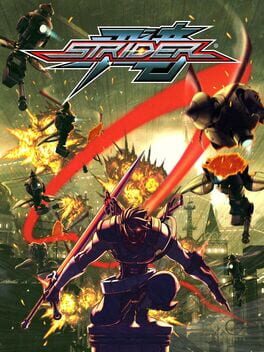
Strider (2014) scores a 1/10 on wokeness by sticking to its classic ninja-assassin premise of Hiryu infiltrating Kazakh City to take down Grandmaster Meio through fast platforming and elemental Cypher combat. The story features capable female fighters like the Wind sisters as straightforward antagonists with zero references to identity, systemic issues, or modern social themes.
Paid creator placementsFeature your article or video on this page
Detailed Analysis
Strider (2014) delivers a straightforward retelling of the classic ninja-assassin premise: Strider Hiryu, the elite male operative of the Strider organization, infiltrates Kazakh City to assassinate the tyrannical Grandmaster Meio in a dystopian future ruled by his forces.
The narrative centers on high-speed platforming, Cypher blade combat with elemental upgrades, and boss encounters against Meio's lieutenants, including the martial-artist Wind sisters (Tong Pooh, Pei Pooh, Nang Pooh) and their master Xi Wang Mu. These elements draw directly from the 1989 original and related media without introducing contemporary social commentary, identity exploration, or relationship mechanics.
No character-creation system exists, romance is absent, and dialogue or plot points contain zero references to systemic issues, gender fluidity, or activist framing. Development notes emphasize fan-driven revival of the core Hiryu-vs-Meio conflict and gameplay modernization, with no statements on diversity mandates or consultancy involvement. Female antagonists function as capable fighters within the established cyber-ninja setting, consistent with the franchise's long-standing action focus rather than any ideological push.
Reception shows no meaningful backlash tied to messaging; Metacritic scores reflect standard critic-audience alignment around a fun, faithful action title. The 2014 release predates widespread industry shifts toward explicit representation, resulting in pure entertainment-driven storytelling with virtually no progressive ideological embedding.
Key Factors
- Traditional male protagonist Hiryu on a classic assassin mission against villain Grandmaster Meio
- No romance, character customization, pronoun options, or LGBTQ+ portrayal of any kind
- Developer focus on gameplay homage and Metroidvania exploration without activist intent or DEI statements
Methodology: Each score synthesizes audience discourse, critic and aggregator reception, and press coverage — weighed against the work itself, not any single source.
Pro BreakdownPro
Identity Politics & Racial Essentialism
Gender Ideology & LGBTQ+ Themes
DEI Casting & Representation Mandates
Preachiness & Message-First Agenda
Corporate & Creator Activism
See how this title scores across all 5 woke subcategories with detailed explanations.
Unlock with ProFrom $3/month · 3-day trial for $1
The Woke Report
A curated roundup of newly scored movies, shows, and games, with the context behind the scores. Free. Unsubscribe anytime.
Privacy policyIs Strider Woke?
We've run a full content analysis on Strider and scored it 1/10 on the woke scale. Read our detailed breakdown above to see exactly what we found.
Frequently Asked Questions
What kind of woke content is in Strider?
Our analysis checks for themes like identity politics, race-swapping, gender ideology, environmental activism, anti-religious messaging, and other progressive agenda elements. The score breakdown above shows which specific categories were flagged and how heavily they factor into Strider's overall score.
Is Strider appropriate for kids?
Wokeometer focuses on ideological content rather than traditional ratings (violence, language, etc.). For a full picture, combine our woke analysis with the official content rating to decide if it's right for your family.
How does Wokeometer score video games?
We evaluate media across multiple ideological categories on a 0–10 scale. Scores of 0–3 mean story-first, 4–6 have moderate elements, and 7–10 flag heavily agenda-driven content. Learn more about our methodology →