Shop this game
Shop this game
Resonance: A Plague Tale Legacy
We may earn a commission from purchases through these links.
Physical games
Search US stores by format. Check the title and edition before buying.
Resonance: A Plague Tale Legacy
game·Aug 27, 2026·
Shop
Shop this game
Resonance: A Plague Tale Legacy
We may earn a commission from purchases through these links.
Physical games
Search US stores by format. Check the title and edition before buying.
Resonance: A Plague Tale Legacy
game
August 27, 2026
Wokeometer Rating
5Mixed
Scale: 0 = not woke, 10 = maximally woke
TL;DR Verdict
The game adds a new protagonist with a key companion bond and reimagines a mythological figure, drawing some criticism for modern updates, but these shifts support the story without centering identity themes. This balanced approach lands a moderate 5/10 score.
Paid creator placementsFeature your article or video on this page
Detailed Analysis
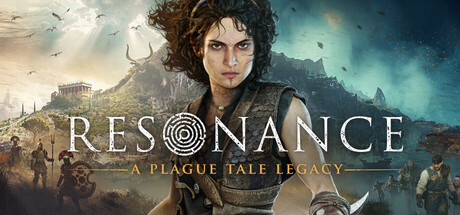
Sophia serves as the new protagonist, an original character portrayed as a rugged, tattooed, tanner-skinned smuggler and skilled melee fighter raised in a Venetian gang; her aggressive combat style and independence drive the action-adventure shift from prior stealth entries.
The narrative centers her backstory, visions linking her to the Prima Macula, and a close bond with companion Leni, explicitly described in reviews as her girlfriend with lines like “I would’ve done anything for her,” adding a prominent female relationship dynamic. Ancient timeline sequences reimagine Theseus as a female Knossian soldier, altering the established mythological figure. Developer statements emphasize creative reinvention and a new setting in Minoan Crete without activist framing or consultancy mentions, while audience reactions on X and forums highlight backlash over the “girlboss” lead, implied queer elements, and historical diversity as “woke.” These changes influence character arcs and subplots without making identity politics the premise or primary emotional driver.
Key Factors
- Original female protagonist Sophia as capable melee fighter with implied queer relationship to Leni
- Gender-swap of mythological Theseus into a female soldier in dual-timeline story
- Audience backlash citing strong female lead and LGBT visibility despite positive critic/Steam reception
Methodology: Each score synthesizes audience discourse, critic and aggregator reception, and press coverage — weighed against the work itself, not any single source.
Detailed BreakdownPro
Free Preview1 of 5 categories unlocked
Corporate & Creator Activism2
Developer statements focus on creative reinvention and the new setting without activist framing, ESG references, or marketing centered on progressive credentials, though audience reactions note perceived 'woke' elements in the changes.
Identity Politics & Racial Essentialism
Gender Ideology & LGBTQ+ Themes
DEI Casting & Representation Mandates
Preachiness & Message-First Agenda
Unlock the other 4 categories — including Identity Politics and Gender Ideology — with detailed explanations.
Unlock with ProFrom $3/month · 3-day trial for $1
The Woke Report
A curated roundup of newly scored movies, shows, and games, with the context behind the scores. Free. Unsubscribe anytime.
Privacy policyIs Resonance: A Plague Tale Legacy Woke?
We've run a full content analysis on Resonance: A Plague Tale Legacy and scored it 5/10 on the woke scale. Read our detailed breakdown above to see exactly what we found.
Audience Fit is the inverse of the community's average woke rating of 7.1/10: the less woke our audience finds a title, the more stars it earns. Based on 7 audience ratings.
Frequently Asked Questions
What kind of woke content is in Resonance: A Plague Tale Legacy?
Our analysis checks for themes like identity politics, race-swapping, gender ideology, environmental activism, anti-religious messaging, and other progressive agenda elements. The score breakdown above shows which specific categories were flagged and how heavily they factor into Resonance: A Plague Tale Legacy's overall score.
Is Resonance: A Plague Tale Legacy appropriate for kids?
Wokeometer focuses on ideological content rather than traditional ratings (violence, language, etc.). For a full picture, combine our woke analysis with the official content rating to decide if it's right for your family.
How does Wokeometer score video games?
We evaluate media across multiple ideological categories on a 0–10 scale. Scores of 0–3 mean story-first, 4–6 have moderate elements, and 7–10 flag heavily agenda-driven content. Learn more about our methodology →


