Pong
game·Nov 29, 1972
Pong
game
November 29, 1972
Wokeometer Rating
0Based
Scale: 0 = not woke, 10 = maximally woke
TL;DR Verdict
Pong delivers pure mechanical gameplay with zero narrative, characters, or social themes, scoring a clean 0/10 as safe, neutral entertainment free of politics.
Paid creator placementsFeature your article or video on this page
Detailed Analysis
Pong from 1972 stands as a foundational example of video game design focused entirely on mechanical gameplay without any narrative or thematic overlay.
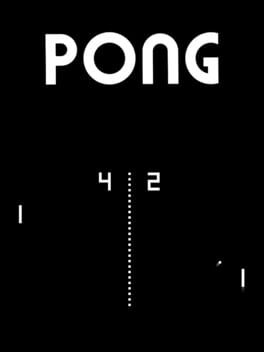
The title consists solely of two paddles, a ball, and basic scoring mechanics on a minimalist screen, drawing direct inspiration from table tennis and prior experiments like Tennis for Two. Created by Allan Alcorn under Nolan Bushnell at Atari as a training exercise, it contains no characters, dialogue, plot points, or social elements whatsoever, allowing players to engage purely with the physics and reflexes involved.
This complete absence of story or representation means there is no platform for any ideological messaging, progressive or otherwise. Released well before the emergence of modern identity politics or related cultural debates, the game shows no evidence of developer intent toward representation, consultancy on social issues, or alterations to established properties. Audience reception has always centered on its innovative simplicity and arcade origins rather than any cultural controversies, reinforcing its status as unadulterated entertainment free from external agendas.
Key Factors
- Complete absence of story, characters, or themes
- 1972 release predates all contemporary progressive ideologies
- No developer statements, consultancy involvement, or representation intent of any kind
Methodology: Each score synthesizes audience discourse, critic and aggregator reception, and press coverage — weighed against the work itself, not any single source.
Pro BreakdownPro
Identity Politics & Racial Essentialism
Gender Ideology & LGBTQ+ Themes
DEI Casting & Representation Mandates
Preachiness & Message-First Agenda
Corporate & Creator Activism
See how this title scores across all 5 woke subcategories with detailed explanations.
Unlock with ProFrom $3/month · 3-day trial for $1
The Woke Report
A curated roundup of newly scored movies, shows, and games, with the context behind the scores. Free. Unsubscribe anytime.
Privacy policyIs Pong Woke?
We've run a full content analysis on Pong and scored it 0/10 on the woke scale. Read our detailed breakdown above to see exactly what we found.
Frequently Asked Questions
What kind of woke content is in Pong?
Our analysis checks for themes like identity politics, race-swapping, gender ideology, environmental activism, anti-religious messaging, and other progressive agenda elements. The score breakdown above shows which specific categories were flagged and how heavily they factor into Pong's overall score.
Is Pong appropriate for kids?
Wokeometer focuses on ideological content rather than traditional ratings (violence, language, etc.). For a full picture, combine our woke analysis with the official content rating to decide if it's right for your family.
How does Wokeometer score video games?
We evaluate media across multiple ideological categories on a 0–10 scale. Scores of 0–3 mean story-first, 4–6 have moderate elements, and 7–10 flag heavily agenda-driven content. Learn more about our methodology →