Kingdom Hearts
game·Sep 17, 2002·
Kingdom Hearts
game
September 17, 2002
Wokeometer Rating
1Based
Scale: 0 = not woke, 10 = maximally woke
TL;DR Verdict
Kingdom Hearts scores a low 1/10 on wokeness because its 2002 story delivers a straightforward hero's journey centered on Sora's bonds of friendship, loyalty, and the battle between light and darkness with no identity politics, DEI casting, or critiques of traditional norms.
Paid creator placementsFeature your article or video on this page
Detailed Analysis
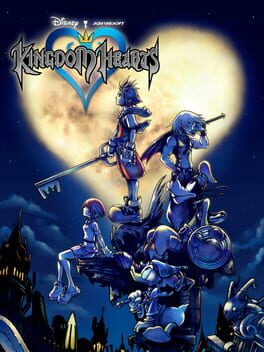
Kingdom Hearts (2002) centers on Sora, a boy from Destiny Islands, who wields the Keyblade to battle Heartless after his world is attacked and he is separated from friends Riku and Kairi.
The narrative follows a classic hero's journey across Disney worlds, sealing keyholes to protect hearts from darkness while teaming with Donald and Goofy to find King Mickey. Themes revolve around friendship, loyalty, light versus darkness, and the power of the heart, delivered through straightforward adventure and combat without social commentary or identity-focused subplots.
No progressive ideological elements drive the premise or characters. Sora's bond with Kairi is a traditional childhood crush and promise motif; Riku's arc involves rivalry turning to redemption through personal struggle, not identity exploration. The game features no gender or sexuality swaps of established figures, no pronoun mechanics, no DEI-driven casting or design, and no critiques of traditional norms. As a pre-2010s Square-Disney collaboration, it predates modern consultancy influences and contains only organic Disney and original characters in service of entertainment.
Reception shows no audience-critic divide tied to messaging, with Metacritic scores of 85 for critics and 8.5-8.9 for users reflecting broad appeal for its whimsical crossover and action-RPG gameplay. Later fan interpretations of subtext exist but do not alter the 2002 release's content, which remains neutral traditional storytelling focused on adventure and bonds.
Key Factors
- Traditional hero's journey and friendship themes with no identity politics or systemic oppression narratives
- Original characters and Disney crossovers presented without gender/sexuality alterations or activist framing
- 2002 release predates DEI consulting or representation mandates, with no evidence of such influence in story or design
Methodology: Each score synthesizes audience discourse, critic and aggregator reception, and press coverage — weighed against the work itself, not any single source.
Pro BreakdownPro
Identity Politics & Racial Essentialism
Gender Ideology & LGBTQ+ Themes
DEI Casting & Representation Mandates
Preachiness & Message-First Agenda
Corporate & Creator Activism
See how this title scores across all 5 woke subcategories with detailed explanations.
Unlock with ProFrom $3/month · 3-day trial for $1
The Woke Report
A curated roundup of newly scored movies, shows, and games, with the context behind the scores. Free. Unsubscribe anytime.
Privacy policyIs Kingdom Hearts Woke?
We've run a full content analysis on Kingdom Hearts and scored it 1/10 on the woke scale. Read our detailed breakdown above to see exactly what we found.
Frequently Asked Questions
What kind of woke content is in Kingdom Hearts?
Our analysis checks for themes like identity politics, race-swapping, gender ideology, environmental activism, anti-religious messaging, and other progressive agenda elements. The score breakdown above shows which specific categories were flagged and how heavily they factor into Kingdom Hearts's overall score.
Is Kingdom Hearts appropriate for kids?
Wokeometer focuses on ideological content rather than traditional ratings (violence, language, etc.). For a full picture, combine our woke analysis with the official content rating to decide if it's right for your family.
How does Wokeometer score video games?
We evaluate media across multiple ideological categories on a 0–10 scale. Scores of 0–3 mean story-first, 4–6 have moderate elements, and 7–10 flag heavily agenda-driven content. Learn more about our methodology →