Illusion Carnival
game·Jul 11, 2024·
Illusion Carnival
game
July 11, 2024
Wokeometer Rating
2Based
Scale: 0 = not woke, 10 = maximally woke
TL;DR Verdict
Illusion Carnival scores a low 2/10 on wokeness because its genderless protagonist Paper serves only as an organic fit for the paper-boat fantasy premise, while the story stays locked on park mysteries, spirit erosion, and bullet-hell fights against anomalies. Supporting characters such as Deliriini, Demetria, and Aelios follow conventional fairy-tale roles with no identity customization, romance systems, or critiques of traditional norms.
Paid creator placementsFeature your article or video on this page
Detailed Analysis
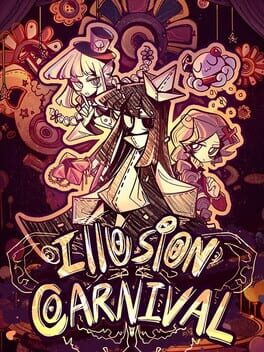
Illusion Carnival centers on a lost soul named Paper who becomes a tiny paper boat navigating the corrupted whimsical amusement park Confettia.
The protagonist is explicitly genderless with pronouns left to player interpretation, fitting the ethereal, storybook-soul premise without any narrative emphasis on identity exploration or modern social themes. Supporting characters like the excitable tour guide Deliriini (he/him), the mature Demetria (she/her), the magician Aelios (she/her), and others such as Illusia, Wuwu, and Zipp follow conventional gender presentations in their fairy-tale-inspired designs and interactions.
The story unfolds through light-hearted comedy mixed with dark fairy-tale elements, puzzles, bullet-hell combat against anomalies, and character dialogues that focus on park mysteries, spirit erosion, and survival rather than any critiques of traditional norms or identity politics. Developer statements and in-game content show no romance systems, pronoun customization screens, or activist framing; the genderless lead serves the fantasy setting organically, much like classic tales of formless spirits or paper protagonists.
Reception remains overwhelmingly positive on Steam with 97% approval and no notable controversies or score gaps, reflecting audience embrace of the cute yet eerie pop-up book aesthetic and character-driven adventure. The absence of progressive ideological elements keeps the experience focused purely on entertainment, puzzles, and whimsical horror without any overlay of contemporary messaging.
Key Factors
- Genderless protagonist Paper with player-chosen pronouns as organic fantasy element
- Conventional gendered supporting characters (Deliriini he/him, others she/her) with no swaps or identity focus
- Story and mechanics centered on park exploration, puzzles, and anomalies with zero social commentary or DEI elements
Methodology: Each score synthesizes audience discourse, critic and aggregator reception, and press coverage — weighed against the work itself, not any single source.
Pro BreakdownPro
Free Preview1 of 5 categories unlocked
Corporate & Creator Activism0
Developer statements and in-game content show no emphasis on inclusion mandates, DEI initiatives, or marketing centered on progressive credentials, keeping the focus on entertainment and whimsical horror.
Identity Politics & Racial Essentialism
Gender Ideology & LGBTQ+ Themes
DEI Casting & Representation Mandates
Preachiness & Message-First Agenda
Unlock the other 4 categories — including Identity Politics and Gender Ideology — with detailed explanations.
Unlock with ProFrom $3/month · 3-day trial for $1
The Woke Report
A curated roundup of newly scored movies, shows, and games, with the context behind the scores. Free. Unsubscribe anytime.
Privacy policyIs Illusion Carnival Woke?
We've run a full content analysis on Illusion Carnival and scored it 2/10 on the woke scale. Read our detailed breakdown above to see exactly what we found.
Frequently Asked Questions
What kind of woke content is in Illusion Carnival?
Our analysis checks for themes like identity politics, race-swapping, gender ideology, environmental activism, anti-religious messaging, and other progressive agenda elements. The score breakdown above shows which specific categories were flagged and how heavily they factor into Illusion Carnival's overall score.
Is Illusion Carnival appropriate for kids?
Wokeometer focuses on ideological content rather than traditional ratings (violence, language, etc.). For a full picture, combine our woke analysis with the official content rating to decide if it's right for your family.
How does Wokeometer score video games?
We evaluate media across multiple ideological categories on a 0–10 scale. Scores of 0–3 mean story-first, 4–6 have moderate elements, and 7–10 flag heavily agenda-driven content. Learn more about our methodology →