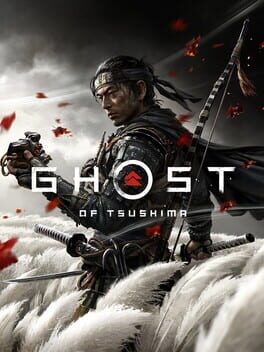
Ghost of Tsushima
game·Jul 17, 2020·
Ghost of Tsushima
game
July 17, 2020
Wokeometer Rating
3Based
Scale: 0 = not woke, 10 = maximally woke
TL;DR Verdict
Ghost of Tsushima sticks to a classic samurai story of honor, duty, and Mongol invasion survival, with only incidental side details that never push politics or alter the core narrative. This keeps the game neutral entertainment and earns a low 3/10 woke score.
Paid creator placementsFeature your article or video on this page
Detailed Analysis
Ghost of Tsushima centers on Jin Sakai's traditional samurai journey of honor versus pragmatic survival during the 1274 Mongol invasion of Tsushima, with gameplay focused on katana combat, stealth, and open-world exploration.
The narrative prioritizes themes of duty, betrayal, and cultural authenticity. Minor progressive elements appear in side content: Lady Masako reveals a past bisexual relationship with servant Mai during her revenge questline, and a mythic tale briefly references a gay relationship involving Heitaro; Jin responds supportively without judgment or modern framing. These are incidental background details that do not drive the main plot, alter core characters, or inject identity politics.
No player romance options, pronoun customization, character creation changes, or DEI consultancy involvement exist. The supplied casting research leaves the comparison status unresolved, creating material uncertainty around any potential departure claim, but the verified record shows no confirmed established-character changes or source-material swaps. Reception shows strong critic and audience scores with minimal controversy at launch, confirming the elements remain peripheral to the feudal Japanese war story. The unresolved premise cannot support a confirmed-change floor or elevate the score.
Casting evidence: Casting research is incomplete or contains unresolved comparisons; overall casting fidelity has not been established. Documented credits include Daisuke Tsuji as Jin Sakai (English voice/motion capture). The casting comparison for Daisuke Tsuji as Jin Sakai (English voice/motion capture) remains unresolved.
Key Factors
- Incidental bisexual portrayal of Lady Masako in side quest only
- Supportive but non-central response from protagonist Jin
- Traditional samurai premise with no identity politics or established character changes
- No developer DEI mandates or consultancy links
- High audience scores without backlash tied to messaging
- Casting comparison status unresolved per normalized research fields
Methodology: Each score synthesizes audience discourse, critic and aggregator reception, and press coverage — weighed against the work itself, not any single source.
Pro BreakdownPro
Free Preview1 of 5 categories unlocked
Corporate & Creator Activism0
No evidence of studio DEI initiatives, creator activism, or marketing centered on progressive credentials.
Identity Politics & Racial Essentialism
Gender Ideology & LGBTQ+ Themes
DEI Casting & Representation Mandates
Preachiness & Message-First Agenda
Unlock the other 4 categories — including Identity Politics and Gender Ideology — with detailed explanations.
Unlock with ProFrom $3/month · 3-day trial for $1
The Woke Report
A curated roundup of newly scored movies, shows, and games, with the context behind the scores. Free. Unsubscribe anytime.
Privacy policyIs Ghost of Tsushima Woke?
We've run a full content analysis on Ghost of Tsushima and scored it 3/10 on the woke scale. Read our detailed breakdown above to see exactly what we found.
Frequently Asked Questions
What kind of woke content is in Ghost of Tsushima?
Our analysis checks for themes like identity politics, race-swapping, gender ideology, environmental activism, anti-religious messaging, and other progressive agenda elements. The score breakdown above shows which specific categories were flagged and how heavily they factor into Ghost of Tsushima's overall score.
Is Ghost of Tsushima appropriate for kids?
Wokeometer focuses on ideological content rather than traditional ratings (violence, language, etc.). For a full picture, combine our woke analysis with the official content rating to decide if it's right for your family.
How does Wokeometer score video games?
We evaluate media across multiple ideological categories on a 0–10 scale. Scores of 0–3 mean story-first, 4–6 have moderate elements, and 7–10 flag heavily agenda-driven content. Learn more about our methodology →