Cross Channel
game·Sep 26, 2003·
Cross Channel
game
September 26, 2003
Wokeometer Rating
1Based
Scale: 0 = not woke, 10 = maximally woke
TL;DR Verdict
Cross Channel scores 1/10 on wokeness because its 2003 time-loop story focuses purely on fractured friendships, loneliness, and heterosexual club romances without any identity politics, systemic critiques, or modern ideological framing. The 2018 ports preserve the original content unchanged.
Paid creator placementsFeature your article or video on this page
Detailed Analysis
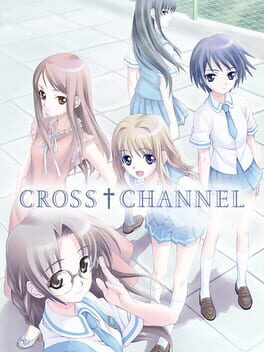
Cross Channel is a 2003 Japanese visual novel centered on Taichi Kurosu and seven other members of the Gunjo Academy Broadcasting Club trapped in a time loop after a failed field trip.
The story examines fractured friendships, loneliness, psychological trauma, and the human need for connection through repeated weeks spent repairing a broadcast antenna. All eight core characters are original creations with heterosexual romantic and sexual dynamics typical of early-2000s eroge, including the protagonist's crude harassment of female club members such as Miki Yamanobe and Misato Miyasumi.
No progressive ideological elements appear in the premise, character arcs, or themes. The narrative draws from classic time-loop and isolation tropes without critiques of patriarchy, systemic oppression, identity politics, or traditional norms. Romance routes and subplots remain grounded in the characters' personal histories and interpersonal conflicts rather than contemporary social justice framing.
The 2018 English Steam release and console ports preserve the original content without added representation mandates, pronoun options, or localization censorship. Developer statements and marketing focus exclusively on the story's emotional and psychological depth. Audience and critic reception centers on its cult status for character-driven drama, with no documented backlash or praise tied to ideological messaging.
Key Factors
- 2003 release date and traditional heterosexual eroge structure with no modern identity elements
- Core premise and themes limited to time-loop isolation, friendship repair, and psychological struggles
- Original characters and narrative with zero evidence of DEI influence, gender-swapped roles, or activist intent
Methodology: Each score synthesizes audience discourse, critic and aggregator reception, and press coverage — weighed against the work itself, not any single source.
Pro BreakdownPro
Identity Politics & Racial Essentialism
Gender Ideology & LGBTQ+ Themes
DEI Casting & Representation Mandates
Preachiness & Message-First Agenda
Corporate & Creator Activism
See how this title scores across all 5 woke subcategories with detailed explanations.
Unlock with ProFrom $3/month · 3-day trial for $1
The Woke Report
A curated roundup of newly scored movies, shows, and games, with the context behind the scores. Free. Unsubscribe anytime.
Privacy policyIs Cross Channel Woke?
We've run a full content analysis on Cross Channel and scored it 1/10 on the woke scale. Read our detailed breakdown above to see exactly what we found.
Frequently Asked Questions
What kind of woke content is in Cross Channel?
Our analysis checks for themes like identity politics, race-swapping, gender ideology, environmental activism, anti-religious messaging, and other progressive agenda elements. The score breakdown above shows which specific categories were flagged and how heavily they factor into Cross Channel's overall score.
Is Cross Channel appropriate for kids?
Wokeometer focuses on ideological content rather than traditional ratings (violence, language, etc.). For a full picture, combine our woke analysis with the official content rating to decide if it's right for your family.
How does Wokeometer score video games?
We evaluate media across multiple ideological categories on a 0–10 scale. Scores of 0–3 mean story-first, 4–6 have moderate elements, and 7–10 flag heavily agenda-driven content. Learn more about our methodology →