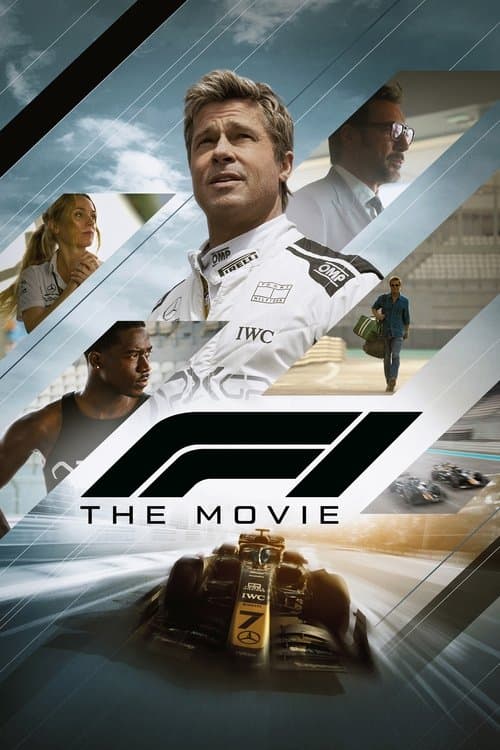
The F1 movie features minor incidental progressive elements primarily through its casting, such as Damson Idris as the young Black hotshot driver mentored by Brad Pitt's veteran racer, alongside other diverse actors like Sarah Niles in a supporting role. This diversity aligns organically with the international nature of Formula 1 racing and does not clash with the setting or source material, as it is an original story with no race- or gender-swapping controversies. Lewis Hamilton's role as executive producer focused on ensuring sporting accuracy rather than injecting activism, with no creator statements emphasizing social justice mandates. The narrative prioritizes high-octane racing action, mentorship dynamics, and team drama without overt lectures on systemic issues, identity politics, or critiques of traditional norms. Audience reactions, including on X, frequently praise the film for delivering thrilling entertainment free of heavy-handed ideological intrusions, with comments highlighting its return to 'normal vibes' and avoidance of 'woke BS.' Criticisms center on plot incoherence or F1 inaccuracies, not progressive overreach, making it a refreshing example of traditional sports storytelling unburdened by contemporary activism.