Fire Emblem
11 games
Explore the games, compare their Wokeometer scores and see how the series changes across releases.
Compare scoresGames in this series
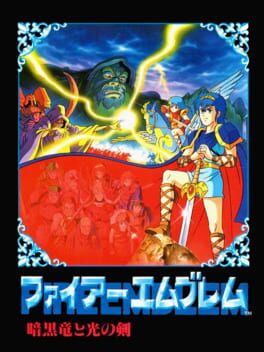
1.Fire Emblem: Ankoku Ryuu to Hikari no Tsurugi
Apr 20, 1990
0/10Based
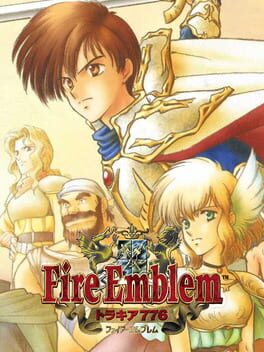
2.Fire Emblem: Thracia 776
Sep 1, 1999
1/10Based
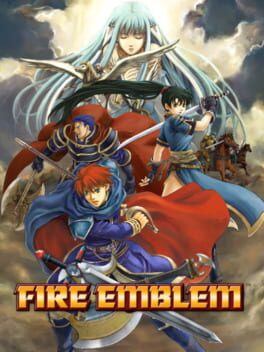
3.Fire Emblem
Apr 25, 2003
2/10Based
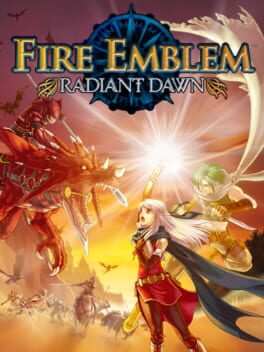
4.Fire Emblem: Radiant Dawn
Feb 22, 2007
3/10Based

5.Fire Emblem Fates: Conquest
Jun 25, 2015
6/10Mixed
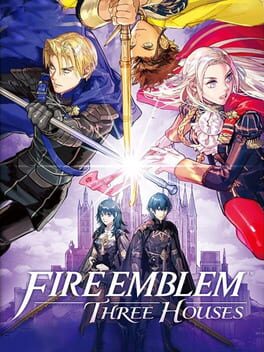
6.Fire Emblem: Three Houses
Jul 26, 2019
6/10Mixed
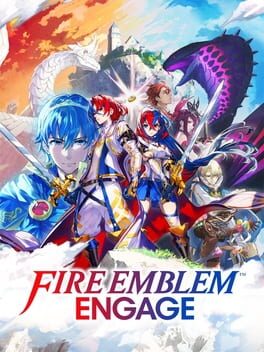
7.Fire Emblem Engage
Jan 20, 2023
6/10Mixed
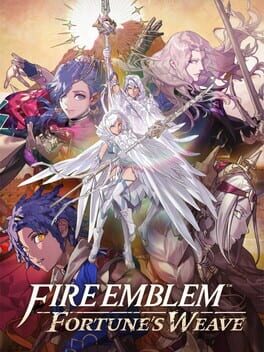
8.Fire Emblem: Fortune's Weave
Sep 17, 2026
4/10Mixed
Scores across installments
Higher score = more wokeNumbers match the games above. Spacing shows release order, not elapsed time. Gaps have no public score.
Catalog score trend
Going Woke
How the scores have changed
Current scores across 8 scored games shown. Higher scores mean more woke content.
Based on 8 of 8 original games linked here. Other games in the series may not be in the catalog yet.
Remakes, remasters & spin-offs
Related releases keep their own scores and are shown separately from the main games.


About these scores & series trends
These are each installment’s current public scores, not scores recorded at release. Scoring rubrics may have changed over time. Legacy public scores remain included; this is a descriptive catalog pattern, not a controlled comparison.
Original games form the comparison. Remakes, remasters, ports, expansions, editions and known spin-offs stay separate. Games with an unknown product type do not affect the trend.
Collections are discovered automatically. Their score patterns describe the original games currently linked in our catalog, which may not include every game in the series. A collection is not proof of a direct sequel sequence.
A trend needs at least three distinct original games, with public scores for at least 75% of the linked originals. Stable means a range of at most two points within one score band. A direction needs at least three points of net movement, two separate steps and at least 75% of total score movement in that direction. Substantial reversals are classified as erratic. One late outlier is not enough.
Original release chronology is the default. Year, month and quarter precision is preserved. Overlapping or unknown dates prevent a trend label unless the full release sequence has an explicit editorial order. Provider collections alone do not prove direct sequels.
Calculation policy: current-catalog-v3
