Comprar este juego
Comprar este juego
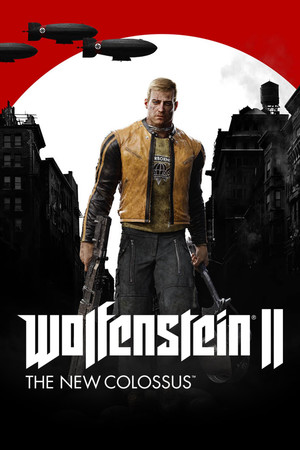
Wolfenstein II: The New Colossus
Podemos recibir una comisión por las compras a través de estos enlaces.
Juegos físicos
Busca por formato en tiendas de EE. UU. Comprueba el título y la edición antes de comprar.
Wolfenstein II: The New Colossus
game·M·Oct 26, 2017·
Comprar
Comprar este juego
Wolfenstein II: The New Colossus
Podemos recibir una comisión por las compras a través de estos enlaces.
Juegos físicos
Busca por formato en tiendas de EE. UU. Comprueba el título y la edición antes de comprar.
Wolfenstein II: The New Colossus
game
M
October 26, 2017
Wokeometer Rating
5Mixed
Scale: 0 = not woke, 10 = maximally woke
TL;DR Verdict
Wolfenstein II: 5/10 woke. El elenco diverso y temas progresistas sutiles como arcos feministas añaden sabor pero permanecen secundarios a la acción de alto octanaje de matar nazis, ganando reseñas fuertes con mínima reacción negativa.
Detailed Analysis
Wolfenstein II: The New Colossus presenta elementos progresistas notables a través de su elenco de resistencia diverso, incluyendo a la prominente líder negra Grace Walker con discursos revolucionarios que abordan la opresión bajo el régimen nazi, un personaje femenino con sobrepeso y una representación menor LGBTQ+ como una miembro lesbiana de la resistencia.
El diálogo incluye discusiones de sabor moderno sobre problemas sistémicos y humanizar a los nazis como 'hombres' en lugar de monstruos, junto con matices feministas en el arco de BJ desde un asesino hipermasculino hasta un hombre de familia apoyado por su esposa judía embarazada que lucha contra los nazis. Estos influyen en los arcos de personajes y subtramas pero permanecen secundarios a la premisa central de un juego de acción de disparar nazis de alto octanaje en una América de 1961 de historia alternativa.
No hay evidencia de consultoría DEI como Sweet Baby Inc., cambios de raza/género de personajes establecidos, mecánicas de pronombres o intención activista declarada por el creador más allá de abrazar temas antinazis. La recepción fue fuerte con altas puntuaciones de críticos/usuarios (87 en Metacritic) y 86% positivo en Steam, con mínima reacción negativa en el lanzamiento (principalmente molestia de la alt-right por matar nazis) y algo de etiquetado anti-woke reciente por la diversidad, pero sin fracaso de ventas o bombardeo de reseñas ligado a la ideología.
Methodology: Each score synthesizes audience discourse, critic and aggregator reception, and press coverage — weighed against the work itself, not any single source.
Detailed BreakdownPro
Free Preview1 of 5 categories unlocked
Corporate & Creator Activism0
No evidence of creator interviews on inclusion mandates, studio DEI initiatives, ESG decisions, or marketing centered on progressive credentials beyond standard anti-Nazi themes.
Identity Politics & Racial Essentialism
Gender Ideology & LGBTQ+ Themes
DEI Casting & Representation Mandates
Preachiness & Message-First Agenda
Unlock the other 4 categories — including Identity Politics and Gender Ideology — with detailed explanations.
Unlock with ProFrom $3/month · 3-day trial for $1
The Woke Report
Una selección de películas, series y juegos recién puntuados, con el contexto de sus puntuaciones. Gratis. Cancela cuando quieras.
Política de privacidadIs Wolfenstein II: The New Colossus Woke?
We've run a full content analysis on Wolfenstein II: The New Colossus and scored it 5/10 on the woke scale. Read our detailed breakdown above to see exactly what we found.
Frequently Asked Questions
What kind of woke content is in Wolfenstein II: The New Colossus?
Our analysis checks for themes like identity politics, race-swapping, gender ideology, environmental activism, anti-religious messaging, and other progressive agenda elements. The score breakdown above shows which specific categories were flagged and how heavily they factor into Wolfenstein II: The New Colossus's overall score.
Is Wolfenstein II: The New Colossus appropriate for kids?
Wokeometer focuses on ideological content rather than traditional ratings (violence, language, etc.). Wolfenstein II: The New Colossus is rated M. For a full picture, combine our woke analysis with the age rating to decide if it's right for your family.
How does Wokeometer score video games?
We evaluate media across multiple ideological categories on a 0–10 scale. Scores of 0–3 mean story-first, 4–6 have moderate elements, and 7–10 flag heavily agenda-driven content. Learn more about our methodology →