Comprar este juego
Comprar este juego
The Witcher 3: Wild Hunt Remastered
Podemos recibir una comisión por las compras a través de estos enlaces.
Juegos físicos
Busca por formato en tiendas de EE. UU. Comprueba el título y la edición antes de comprar.
The Witcher 3: Wild Hunt Remastered
game·Sep 29, 2026·
Comprar
Comprar este juego
The Witcher 3: Wild Hunt Remastered
Podemos recibir una comisión por las compras a través de estos enlaces.
Juegos físicos
Busca por formato en tiendas de EE. UU. Comprueba el título y la edición antes de comprar.
The Witcher 3: Wild Hunt Remastered
game
September 29, 2026
Wokeometer Rating
1Based
Scale: 0 = not woke, 10 = maximally woke
TL;DR Verdict
The Witcher 3 Remastered ofrece una narrativa de fantasía oscura sin cambios y un enfoque clásico en la caza de monstruos, con cero mensajes políticos o alteraciones de personajes, lo que lo convierte en entretenimiento seguro y neutral con una puntuación de wokeness de 1/10.
Detailed Analysis
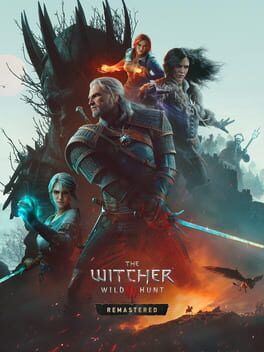
The Witcher 3: Wild Hunt Remastered preserva la narrativa tradicional de fantasía oscura del juego original de 2015, centrada en la búsqueda del cazador de monstruos Geralt de Rivia de su hija adoptiva Ciri en un mundo de inspiración eslava.
Las notas del parche y las reseñas detallan solo mejoras técnicas: path tracing, árboles de habilidades rediseñados, animaciones de combate, ajustes preestablecidos de accesibilidad como Bard’s Ballad y soporte para mods, sin alteraciones en los personajes establecidos, romances o encuadre narrativo. Los romances siguen siendo opciones exclusivamente heterosexuales con Yennefer, Triss y conquistas femeninas; no se agregaron sistemas de pronombres, cambios de género o subtramas centradas en la identidad.
Las declaraciones de los desarrolladores y las búsquedas confirman la ausencia de participación de Sweet Baby Inc., mandatos de DEI o intenciones activistas. Las quejas aisladas en X sobre los gráficos o ajustes infundados de personajes carecen de pruebas y no reflejan cambios en el contenido. La premisa se mantiene arraigada en los tropos clásicos del viaje del héroe y la matanza de monstruos, sin superposiciones ideológicas modernas.
Methodology: Each score synthesizes audience discourse, critic and aggregator reception, and press coverage — weighed against the work itself, not any single source.
Detailed BreakdownPro
Free Preview1 of 5 categories unlocked
Corporate & Creator Activism0
No developer statements, studio DEI initiatives, or marketing emphasizing progressive credentials accompany the remaster, which focuses solely on graphical and accessibility improvements.
Identity Politics & Racial Essentialism
Gender Ideology & LGBTQ+ Themes
DEI Casting & Representation Mandates
Preachiness & Message-First Agenda
Unlock the other 4 categories — including Identity Politics and Gender Ideology — with detailed explanations.
Unlock with ProFrom $3/month · 3-day trial for $1
The Woke Report
Una selección de películas, series y juegos recién puntuados, con el contexto de sus puntuaciones. Gratis. Cancela cuando quieras.
Política de privacidadIs The Witcher 3: Wild Hunt Remastered Woke?
We've run a full content analysis on The Witcher 3: Wild Hunt Remastered and scored it 1/10 on the woke scale. Read our detailed breakdown above to see exactly what we found.
Audience Fit is the inverse of the community's average woke rating of 1.5/10: the less woke our audience finds a title, the more stars it earns. Based on 4 audience ratings.
Frequently Asked Questions
What kind of woke content is in The Witcher 3: Wild Hunt Remastered?
Our analysis checks for themes like identity politics, race-swapping, gender ideology, environmental activism, anti-religious messaging, and other progressive agenda elements. The score breakdown above shows which specific categories were flagged and how heavily they factor into The Witcher 3: Wild Hunt Remastered's overall score.
Is The Witcher 3: Wild Hunt Remastered appropriate for kids?
Wokeometer focuses on ideological content rather than traditional ratings (violence, language, etc.). For a full picture, combine our woke analysis with the official content rating to decide if it's right for your family.
How does Wokeometer score video games?
We evaluate media across multiple ideological categories on a 0–10 scale. Scores of 0–3 mean story-first, 4–6 have moderate elements, and 7–10 flag heavily agenda-driven content. Learn more about our methodology →