Comprar este juego
Comprar este juego
Resonance: A Plague Tale Legacy
Podemos recibir una comisión por las compras a través de estos enlaces.
Juegos físicos
Busca por formato en tiendas de EE. UU. Comprueba el título y la edición antes de comprar.
Resonance: A Plague Tale Legacy
game·Aug 27, 2026·
Comprar
Comprar este juego
Resonance: A Plague Tale Legacy
Podemos recibir una comisión por las compras a través de estos enlaces.
Juegos físicos
Busca por formato en tiendas de EE. UU. Comprueba el título y la edición antes de comprar.
Resonance: A Plague Tale Legacy
game
August 27, 2026
Wokeometer Rating
5Mixed
Scale: 0 = not woke, 10 = maximally woke
TL;DR Verdict
El juego añade una nueva protagonista con un vínculo clave de compañerismo y reimagina una figura mitológica, atrayendo algunas críticas por las actualizaciones modernas, pero estos cambios apoyan la historia sin centrarse en temas de identidad. Este enfoque equilibrado obtiene una puntuación moderada de 5/10.
Detailed Analysis
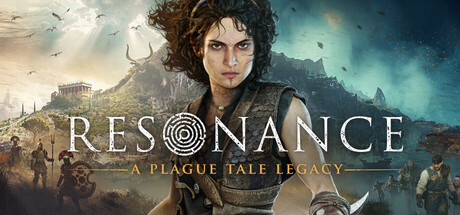
Sophia sirve como la nueva protagonista, un personaje original retratado como una contrabandista ruda, tatuada, de piel morena y hábil luchadora cuerpo a cuerpo, criada en una pandilla veneciana; su estilo de combate agresivo e independencia impulsan el cambio de aventura de acción de las entradas de sigilo anteriores.
La narrativa se centra en su historia, visiones que la vinculan a la Prima Macula y un estrecho vínculo con su compañera Leni, explícitamente descrita en las críticas como su novia con frases como "Habría hecho cualquier cosa por ella", añadiendo una dinámica prominente de relación femenina. Las secuencias de la línea de tiempo antigua reimaginan a Teseo como una soldado knosiana femenina, alterando la figura mitológica establecida.
Las declaraciones del desarrollador enfatizan la reinvención creativa y un nuevo escenario en Creta minoica sin enmarcar activista ni menciones de consultoría, mientras que las reacciones de la audiencia en X y foros destacan la reacción negativa ante la protagonista "girlboss", los elementos queer implícitos y la diversidad histórica como "woke". Estos cambios influyen en los arcos de los personajes y las subtramas sin convertir la política de identidad en la premisa o el principal motor emocional.
Methodology: Each score synthesizes audience discourse, critic and aggregator reception, and press coverage — weighed against the work itself, not any single source.
Detailed BreakdownPro
Free Preview1 of 5 categories unlocked
Corporate & Creator Activism2
Developer statements focus on creative reinvention and the new setting without activist framing, ESG references, or marketing centered on progressive credentials, though audience reactions note perceived 'woke' elements in the changes.
Identity Politics & Racial Essentialism
Gender Ideology & LGBTQ+ Themes
DEI Casting & Representation Mandates
Preachiness & Message-First Agenda
Unlock the other 4 categories — including Identity Politics and Gender Ideology — with detailed explanations.
Unlock with ProFrom $3/month · 3-day trial for $1
The Woke Report
Una selección de películas, series y juegos recién puntuados, con el contexto de sus puntuaciones. Gratis. Cancela cuando quieras.
Política de privacidadIs Resonance: A Plague Tale Legacy Woke?
We've run a full content analysis on Resonance: A Plague Tale Legacy and scored it 5/10 on the woke scale. Read our detailed breakdown above to see exactly what we found.
Audience Fit is the inverse of the community's average woke rating of 7.1/10: the less woke our audience finds a title, the more stars it earns. Based on 7 audience ratings.
Frequently Asked Questions
What kind of woke content is in Resonance: A Plague Tale Legacy?
Our analysis checks for themes like identity politics, race-swapping, gender ideology, environmental activism, anti-religious messaging, and other progressive agenda elements. The score breakdown above shows which specific categories were flagged and how heavily they factor into Resonance: A Plague Tale Legacy's overall score.
Is Resonance: A Plague Tale Legacy appropriate for kids?
Wokeometer focuses on ideological content rather than traditional ratings (violence, language, etc.). For a full picture, combine our woke analysis with the official content rating to decide if it's right for your family.
How does Wokeometer score video games?
We evaluate media across multiple ideological categories on a 0–10 scale. Scores of 0–3 mean story-first, 4–6 have moderate elements, and 7–10 flag heavily agenda-driven content. Learn more about our methodology →


