Comprar este juego
Comprar este juego
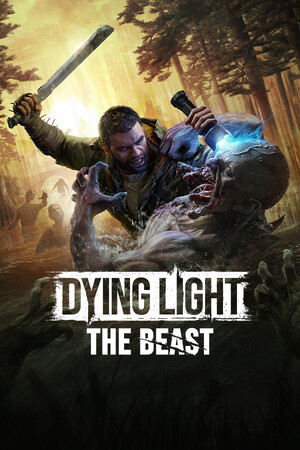
Dying Light: The Beast
Podemos recibir una comisión por las compras a través de estos enlaces.
Juegos físicos
Busca por formato en tiendas de EE. UU. Comprueba el título y la edición antes de comprar.
Dying Light: The Beast
game·Sep 18, 2025·
Comprar
Comprar este juego
Dying Light: The Beast
Podemos recibir una comisión por las compras a través de estos enlaces.
Juegos físicos
Busca por formato en tiendas de EE. UU. Comprueba el título y la edición antes de comprar.
Dying Light: The Beast
game
September 18, 2025
Wokeometer Rating
0Based
Scale: 0 = not woke, 10 = maximally woke
TL;DR Verdict
Dying Light: The Beast es un 0/10 perfecto en wokeness—horror de supervivencia zombi puro con cero política, DEI o agendas identitarias, que ofrece emociones y una historia sin filtros.
Detailed Analysis
Dying Light: The Beast muestra prácticamente ninguna influencia ideológica progresista en la narrativa, el casting, los temas o la recepción.
La narrativa se centra puramente en elementos tradicionales de horror de supervivencia: Kyle Crane escapando de un laboratorio, luchando contra infectados evolucionados en un apocalipsis zombi rural, abrazando poderes bestiales para la venganza y la supervivencia, sin mensajes de justicia social, política identitaria o críticas a las normas. Los personajes son estándar para el género, con el protagonista Kyle Crane como un operativo masculino blanco; el elenco de apoyo tiene variedad incidental de nombres étnicos (por ejemplo, Camilo Marin, Ray Sato) que se siente orgánica para un entorno moderno, no forzada ni destacada. No aparece representación LGBTQ+, pronombres no binarios, arcos románticos o mandatos de diversidad en el juego.
Techland no muestra participación de consultores DEI como Sweet Baby Inc., lectores de sensibilidad o activismo público; explícitamente calificado como 'DEI Free' por rastreadores. Sin censura de localización, cambios de personajes o selectores de pronombres. La recepción es positiva (OpenCritic 81 de críticos/90 de usuarios, el mejor valorado de la serie), con quejas limitadas al ritmo de jugabilidad/historia, no a la ideología.
Las consultas 'woke?' en Steam generan burlas y reaseguros de su ausencia; X no muestra reacciones negativas. Esta pureza en el entretenimiento sin intrusiones políticas lo convierte en un destacado en el género de acción zombi.
Methodology: Each score synthesizes audience discourse, critic and aggregator reception, and press coverage — weighed against the work itself, not any single source.
Detailed BreakdownPro
Identity Politics & Racial Essentialism
Gender Ideology & LGBTQ+ Themes
DEI Casting & Representation Mandates
Preachiness & Message-First Agenda
Corporate & Creator Activism
See how this title scores across all 5 woke subcategories with detailed explanations.
Unlock with ProFrom $3/month · 3-day trial for $1
The Woke Report
Una selección de películas, series y juegos recién puntuados, con el contexto de sus puntuaciones. Gratis. Cancela cuando quieras.
Política de privacidadIs Dying Light: The Beast Woke?
We've run a full content analysis on Dying Light: The Beast and scored it 0/10 on the woke scale. Read our detailed breakdown above to see exactly what we found.
Frequently Asked Questions
What kind of woke content is in Dying Light: The Beast?
Our analysis checks for themes like identity politics, race-swapping, gender ideology, environmental activism, anti-religious messaging, and other progressive agenda elements. The score breakdown above shows which specific categories were flagged and how heavily they factor into Dying Light: The Beast's overall score.
Is Dying Light: The Beast appropriate for kids?
Wokeometer focuses on ideological content rather than traditional ratings (violence, language, etc.). For a full picture, combine our woke analysis with the official content rating to decide if it's right for your family.
How does Wokeometer score video games?
We evaluate media across multiple ideological categories on a 0–10 scale. Scores of 0–3 mean story-first, 4–6 have moderate elements, and 7–10 flag heavily agenda-driven content. Learn more about our methodology →