Comprar este juego
Comprar este juego
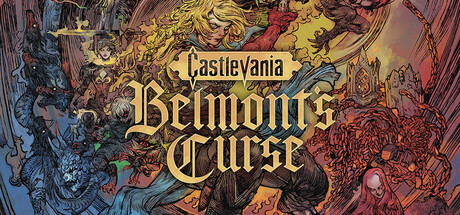
Castlevania: Belmont's Curse
Podemos recibir una comisión por las compras a través de estos enlaces.
Juegos físicos
Busca por formato en tiendas de EE. UU. Comprueba el título y la edición antes de comprar.
Castlevania: Belmont's Curse
game·T·Oct 14, 2026·
Comprar
Comprar este juego
Castlevania: Belmont's Curse
Podemos recibir una comisión por las compras a través de estos enlaces.
Juegos físicos
Busca por formato en tiendas de EE. UU. Comprueba el título y la edición antes de comprar.
Castlevania: Belmont's Curse
game
T
October 14, 2026
Wokeometer Rating
3Based
1/10
Scale: 0 = not woke, 10 = maximally woke
TL;DR Verdict
Castlevania: Belmont's Curse obtiene un bajo 3/10 en wokeness al centrarse en el legado familiar orgánico y la caza de monstruos clásica en el París de 1499 sin política de identidad ni mensajes externos. Se mantiene fiel al lore de origen para un entretenimiento seguro y neutral.
Detailed Analysis
Castlevania: Belmont's Curse presenta a Rose Belmont como una nueva protagonista original e hija de Trevor Belmont y Sypha Belnades, quien hereda la maldición de Drácula de su madre en su brazo derecho como motivación central de su viaje de caza de vampiros ambientado en el París de 1499.
Esta elección se deriva directamente del lore familiar establecido y de la mecánica de maldiciones, en lugar de cualquier impulso externo, y los desarrolladores afirman que la protagonista femenina surgió orgánicamente durante el desarrollo de la historia para resaltar los vínculos entre padres e hijos y las apuestas emocionales. El enfoque mantiene la selección de reparto centrada en la continuidad narrativa sin cambios de género de personajes establecidos ni la priorización de rasgos de identidad como el punto de la historia. Los elementos temáticos se mantienen anclados en la jugabilidad tradicional de acción y exploración de Castlevania, presentando jefes clásicos como Carmilla, Medusa, Death y una reimaginación dentro del universo de Juana de Arco, a través de múltiples finales centrados en el legado familiar, la caza de monstruos y la resolución de maldiciones.
No hay sistemas de romance, opciones de creación de personajes, selección de pronombres o mecánicas de exploración de identidad, y el proyecto no muestra declaraciones DEI de los desarrolladores, participación de consultores o encuadre narrativo en torno a problemas sistémicos. Esto resulta en un bajo nivel de contenido ideológico, con elementos progresistas ausentes y la premisa manteniéndose fiel al enfoque central de su material de origen en el conflicto sobrenatural. Evaluación oficial: Esta es la evaluación programada al día siguiente del contexto disponible en el momento del análisis; no implica que la obra completa o la temporada hayan sido revisadas.
La cobertura informada es sustancial. Limitaciones informadas: El lanzamiento muy reciente limita los datos de recepción a largo plazo; no se ha revisado el guion completo ni las notas de parche exhaustivas más allá de la descripción de la tienda y los resúmenes de la wiki.
Methodology: Each score synthesizes audience discourse, critic and aggregator reception, and press coverage — weighed against the work itself, not any single source.
Detailed BreakdownPro
Identity Politics & Racial Essentialism
Gender Ideology & LGBTQ+ Themes
DEI Casting & Representation Mandates
Preachiness & Message-First Agenda
Corporate & Creator Activism
See how this title scores across all 5 woke subcategories with detailed explanations.
Unlock with ProFrom $3/month · 3-day trial for $1
The Woke Report
Una selección de películas, series y juegos recién puntuados, con el contexto de sus puntuaciones. Gratis. Cancela cuando quieras.
Política de privacidadIs Castlevania: Belmont's Curse Woke?
We've run a full content analysis on Castlevania: Belmont's Curse and scored it 3/10 on the woke scale. Read our detailed breakdown above to see exactly what we found.
Frequently Asked Questions
What kind of woke content is in Castlevania: Belmont's Curse?
Our analysis checks for themes like identity politics, race-swapping, gender ideology, environmental activism, anti-religious messaging, and other progressive agenda elements. The score breakdown above shows which specific categories were flagged and how heavily they factor into Castlevania: Belmont's Curse's overall score.
Is Castlevania: Belmont's Curse appropriate for kids?
Wokeometer focuses on ideological content rather than traditional ratings (violence, language, etc.). Castlevania: Belmont's Curse is rated T. For a full picture, combine our woke analysis with the age rating to decide if it's right for your family.
How does Wokeometer score video games?
We evaluate media across multiple ideological categories on a 0–10 scale. Scores of 0–3 mean story-first, 4–6 have moderate elements, and 7–10 flag heavily agenda-driven content. Learn more about our methodology →