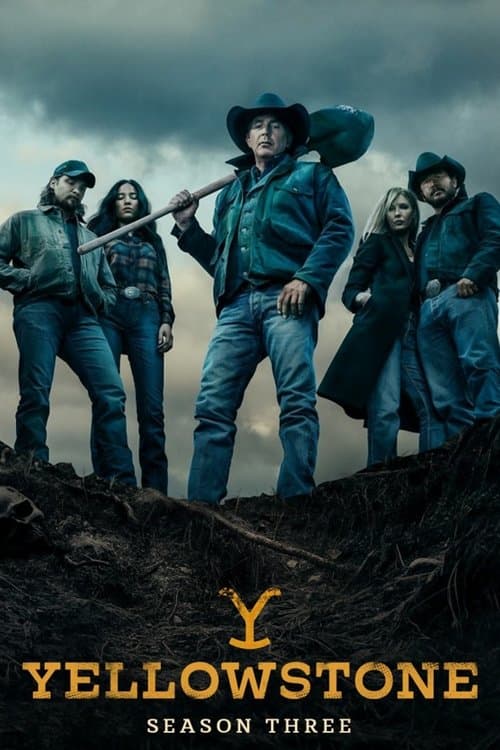
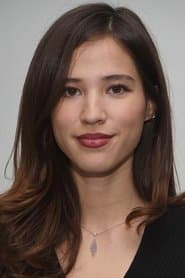
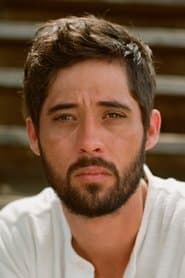
Yellowstone Season 3 delivers straightforward entertainment centered on ranch family drama, land battles, and personal loyalties, with virtually no progressive ideological intrusion. Casting remains authentic to the Montana ranch setting: a core white Dutton family supplemented by organic elements like Native American characters (Monica Dutton, Angela Blue Thunder) and a Black ranch hand (Denim Richards), none of which feel forced or clash with the source material. The controversy over non-Native Kelsey Asbille playing Monica actually stems from progressive demands for stricter identity-based casting, highlighting the show's resistance to DEI pressures rather than embrace of them. Female characters like the ruthless Beth Dutton, biker Teeter, and lawyer Angela are empowered through grit and family allegiance, not gender politics or anti-patriarchy messaging. Plot themes explore Native land disputes and developer greed from a pragmatic rancher viewpoint—Duttons as land stewards—without lectures on systemic oppression, colonialism, or identity victimhood. No LGBTQ representation or swaps appear in Season 3, and creator Taylor Sheridan emphasizes nuanced storytelling over activism. Reception is overwhelmingly positive for its apolitical thrills, with no notable 'woke' backlash; complaints about later seasons do not apply here. This season exemplifies pure, unadulterated entertainment unmarred by contemporary social justice activism.