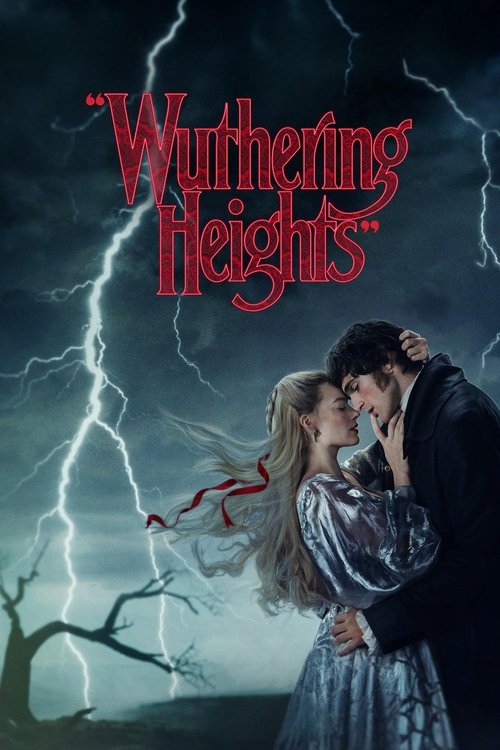
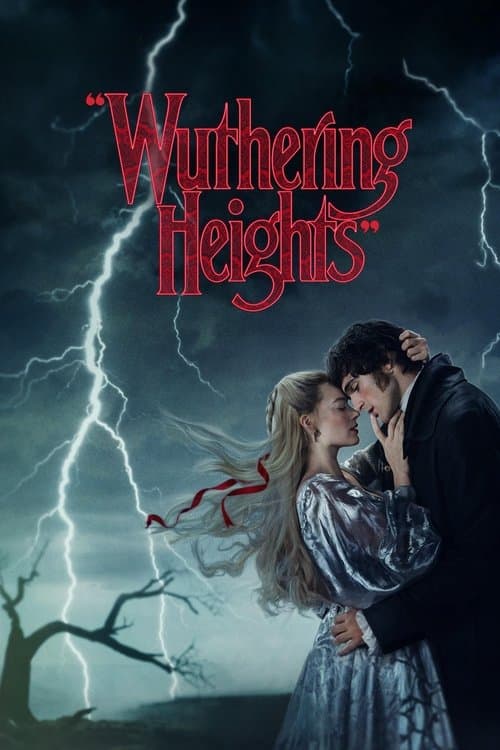
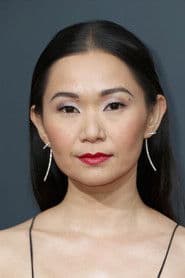
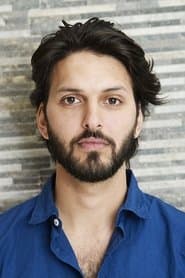
The 2026 Wuthering Heights adaptation by Emerald Fennell features noticeable progressive influences primarily through casting choices that introduce DEI-style diversity into a historically white 18th-century Yorkshire setting, such as Hong Chau (Asian-American) as the traditionally white servant Nelly Dean and Shazad Latif (South Asian) as the pale, blond Edgar Linton—race-swaps lacking narrative justification and clashing with the source material. These feel like incidental forced inclusions rather than organic. Counterintuitively, the casting of white Jacob Elordi as the ambiguously dark-skinned Heathcliff drew significant backlash for 'whitewashing,' highlighting identity politics debates but not advancing progressive mandates. Thematically, the film loosely reimagines the novel with hyper-sexualized, carnal elements, anachronisms like Charli XCX songs, and hints of queer storylines, modernizing the gothic romance into a pulpy, erotic bodice-ripper that subverts traditional love stories without overt social justice lectures or systemic critiques. Director Fennell emphasizes personal vision over fidelity, defending choices based on her childhood book illustration rather than activist intent. Reception is mixed (66% RT), with controversies centered on representation and fidelity rather than overwhelming 'woke' complaints; audience reactions split between purists upset by changes and representation advocates decrying whitewashing, but no 'go woke go broke' collapse. Overall, progressive elements influence casting and add light modern sensibilities but do not dominate the narrative or compromise core entertainment with heavy messaging.