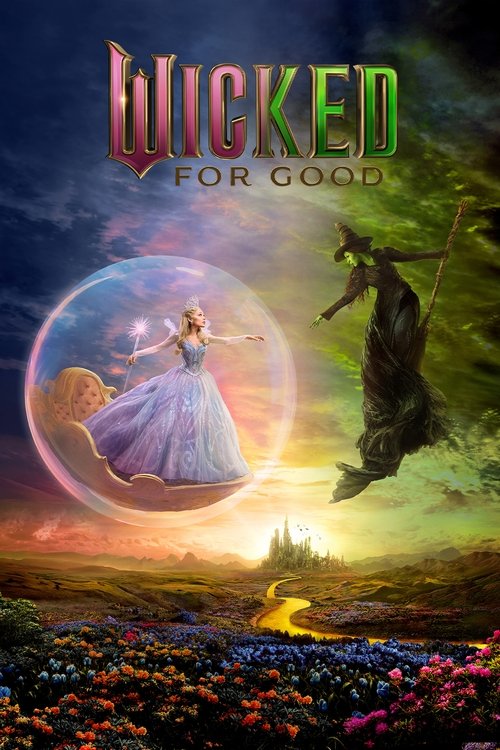
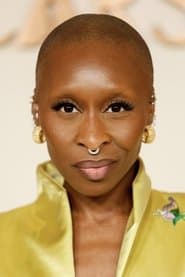
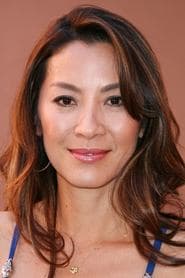
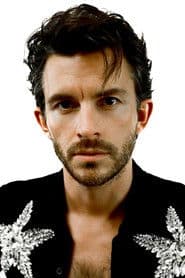
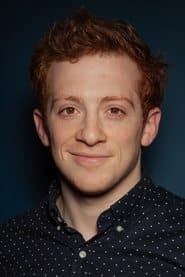
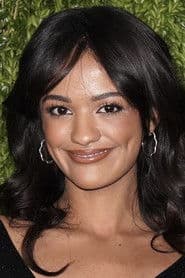
Wicked: For Good exemplifies significant progressive ideological influence through race-inflected casting with Cynthia Erivo as a Black Elphaba, whose portrayal leans heavily into contemporary Black female experiences of marginalization, diverging from decades of white stage actresses in the role, alongside a supporting cast packed with LGBTQ+ performers like Jonathan Bailey as Fiyero and Bowen Yang in a gender-swapped BFF role, and Michelle Yeoh in a distractingly out-of-place Madame Morrible. The storytelling foregrounds heavy-handed themes of systemic oppression, fascism under the Wizard's regime, animal rights as proxy for marginalized groups, propaganda, and privilege critique, amplified by new original songs centered on mustering courage against injustice, transforming the musical's inherent prejudice motifs into overt social justice lectures that prioritize moral relativism and victimhood narratives over escapist fantasy. Director Jon M. Chu's repeated interviews underscore activist intent, touting diversity, queer representation, cultural specificity, and 'challenging norms' as core to the vision, resulting in a self-serious tone that critics like The New Yorker decry as clattering antifascist politics compromising narrative conviction and quality. Despite commercial triumph mocking 'go woke go broke' claims, substantial audience backlash—including racist vitriol toward Erivo and widespread 'woke' condemnations—highlights how these intrusions alienate viewers, diluting the spectacle and prioritizing ideological signaling over pure entertainment.