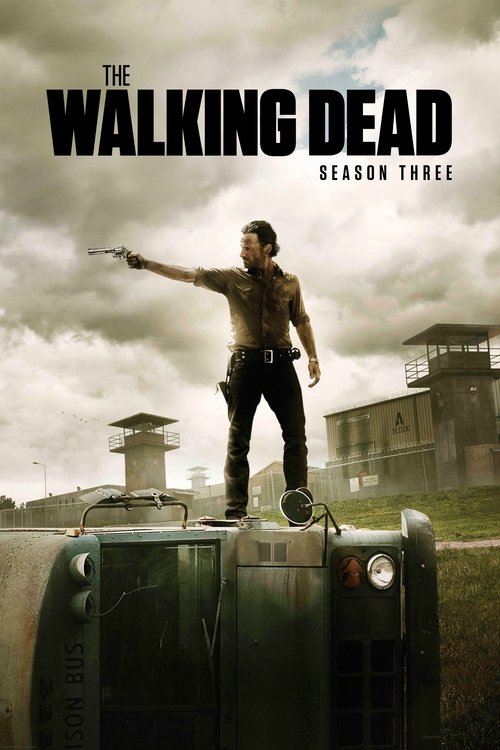
The Walking Dead Season 3 delivers pure post-apocalyptic survival horror and character drama, staying true to its comic book roots without any overt progressive ideological intrusions. Casting features organic diversity, such as Danai Gurira as Michonne (a Black female warrior faithfully adapted from the comics) and Steven Yeun as Glenn (Asian-American, also comic-accurate), alongside a predominantly white ensemble that feels natural for the story's Georgia setting. There are no race-swaps, gender-swaps, or forced inclusions clashing with the narrative; new characters like Tyreese and Sasha integrate seamlessly into the prison and Woodbury arcs driven by plot needs, not quotas. Themes center on leadership struggles (Rick's descent into authoritarianism vs. the Governor's tyranny), moral dilemmas, loss, and group dynamics, with zero lectures on systemic racism, patriarchy, or identity politics. Showrunner Glen Mazzara's interviews focus on storytelling and tension, not activism or inclusion mandates. Audience and critic reception was stellar (88% Rotten Tomatoes, peak viewership), hailed as the series' high point for thrilling action and emotional depth, with no contemporary 'woke' backlash—complaints from some feminists targeted perceived underuse of women, ironically highlighting the lack of heavy-handed empowerment messaging. This season exemplifies entertainment unburdened by modern social justice agendas.