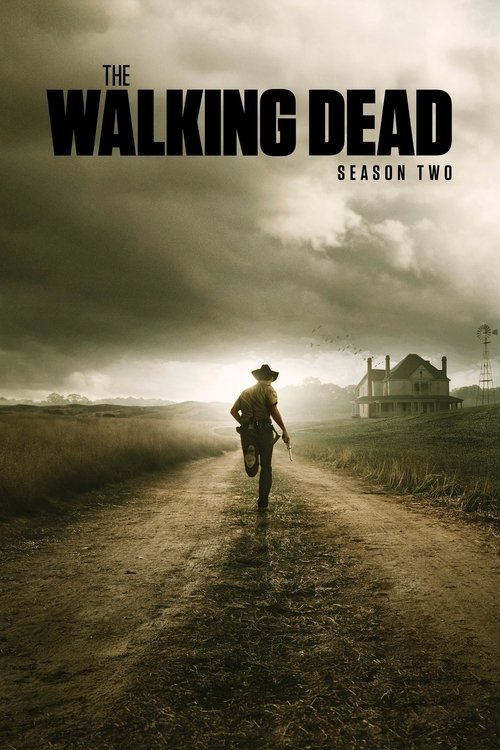
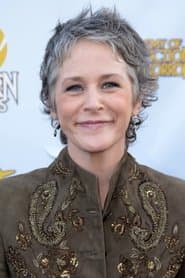
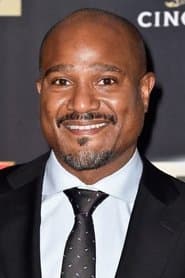
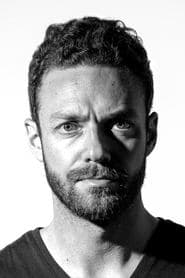
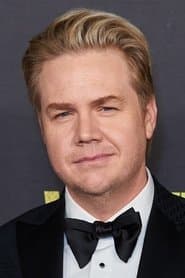
The Walking Dead Season 2 exemplifies traditional post-apocalyptic storytelling centered on survival, moral dilemmas, leadership conflicts, and human drama in a zombie-infested world, with virtually no progressive ideological influence. The narrative revolves around the group's time at Hershel's farm, the search for Sophia, and the escalating tension between Rick and Shane, delivered through gritty, character-driven episodes without lectures on systemic issues, identity politics, or social justice. Casting features organic diversity reflective of the source comics and setting—Steven Yeun as Glenn (Asian character from the comics) and IronE Singleton as T-Dog (a capable but secondary survivor)—but these elements are incidental, not focal points or narrative drivers; no race-swapping, gender-swapping, or forced inclusions clash with the material. Women like Lori, Andrea, Maggie, and Carol have arcs tied to survival and relationships, not empowerment messaging. Creator interviews from showrunner Glen Mazzara and Robert Kirkman emphasize drama and horror, with no mention of activist intent or inclusion mandates. Reception praised the intensity and acting while critiquing slow pacing, with zero contemporary or retrospective backlash labeling it 'woke'; in fact, later diversity critiques from progressive voices highlight perceived underrepresentation or poor handling of minorities (e.g., limited roles for T-Dog and Jacqui), underscoring the absence of heavy-handed progressive elements. This season shines as pure entertainment, unburdened by modern ideological intrusions.