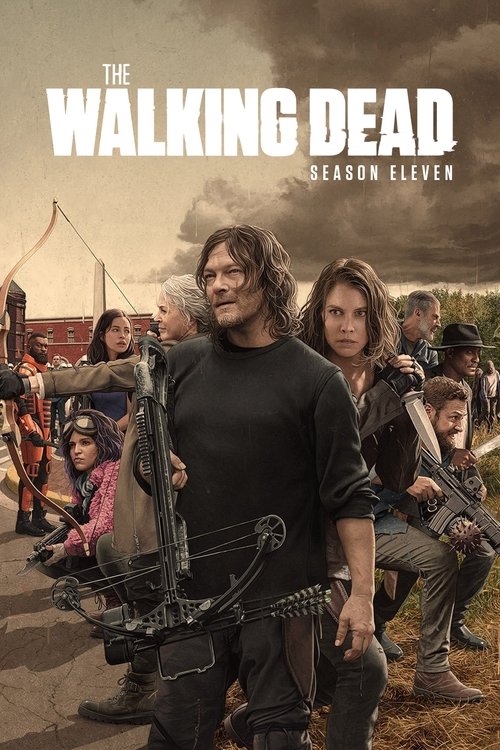
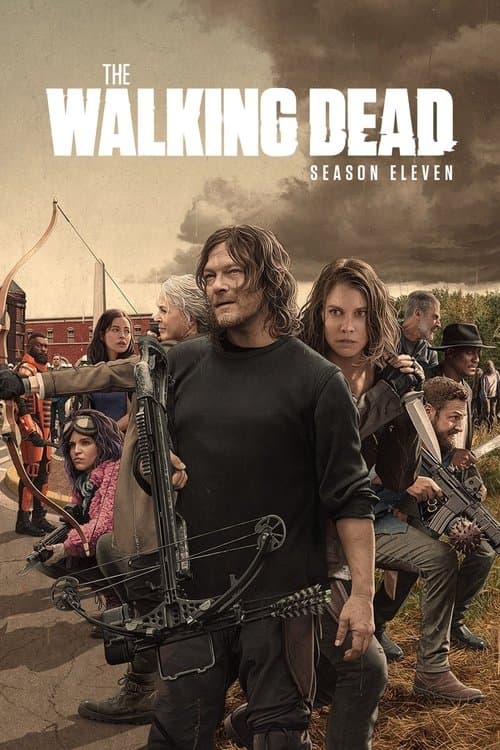
The Walking Dead Season 11 features noticeable progressive ideological elements that significantly shape its final arc, particularly the Commonwealth storyline, which serves as a thinly veiled critique of capitalism, class privilege, and institutional corruption, portraying a stratified society where elites exploit the masses in a manner that prioritizes messaging over tight storytelling. Diverse casting is prominent, with a mix of Black, Latina, and Asian leads like Ezekiel, Rosita, Yumiko, and others, which showrunner Angela Kang explicitly frames as a responsibility to represent a multicultural America, including subtle nods to real-world racism like anti-Asian flyers and differential treatment by authorities. Queer representation is highlighted through Yumiko and Magna's relationship, positioned as icons with actors advocating for more LGBTQ+ visibility. While not fully dominating the zombie survival core, these elements influence character arcs, plot progression, and dialogue, contributing to audience complaints of disjointed narratives and preachiness. Viewer backlash is evident in widespread labels of 'woke trash' and 'unwatchable,' with many citing the shift under Kang from Seasons 9-11 as prioritizing politics over entertainment, leading to declining engagement despite some praise for production values.